
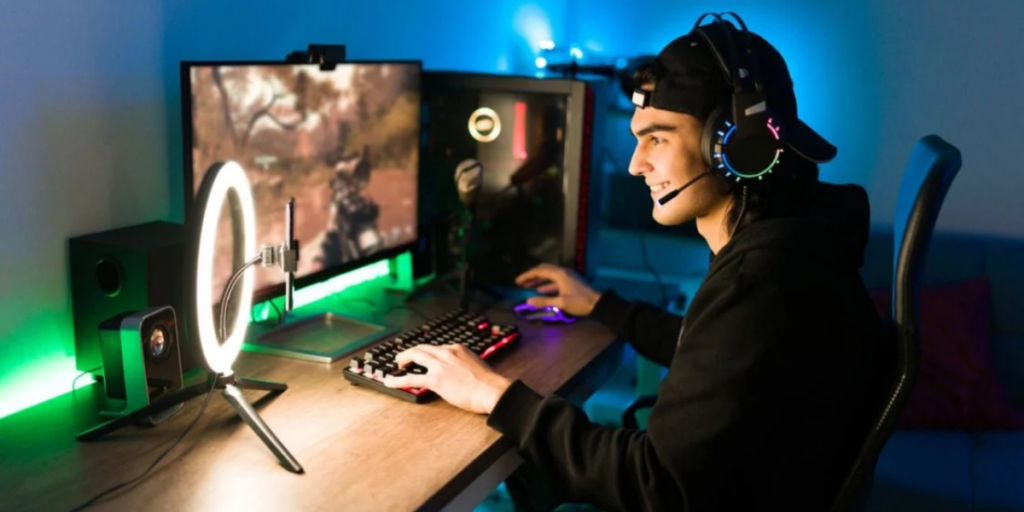
Introduction: Why Digital Gaming Isn’t Just a Hobby Anymore
There was a time when gaming meant cartridges, dusty consoles, and arguing over whose turn it was. Not anymore. Digital gaming has completely changed how we play, compete, socialize, and even earn money. From mobile apps and cloud streaming to competitive esports and virtual reality, digital gaming now sits at the center of global entertainment.
In simple words, digital gaming means playing video games through digital platforms—without physical discs or cartridges. Everything happens online, in the cloud, or through downloadable content. It’s fast. It’s convenient. And honestly? It’s addictive in the best possible way.
But here’s the real question: is digital gaming just entertainment… or is it shaping the future of technology itself?
Let’s break it down properly.
What Is Digital Gaming? (Definition, Meaning & Core Concept)
Digital gaming is the process of playing video games through digital distribution platforms, online networks, or cloud-based systems instead of physical media.
Digital gaming means:
- Downloading games instead of buying discs
- Streaming games from remote servers
- Playing multiplayer matches over the internet
- Purchasing in-game content digitally
- Competing in esports tournaments online
It includes everything from console downloads on platforms like Sony Interactive Entertainment and Microsoft, to PC marketplaces like Valve Corporation’s Steam.
And yes, mobile gaming absolutely counts too.
The Evolution of Digital Gaming: From Pixels to Cloud Universes
The Early Digital Era
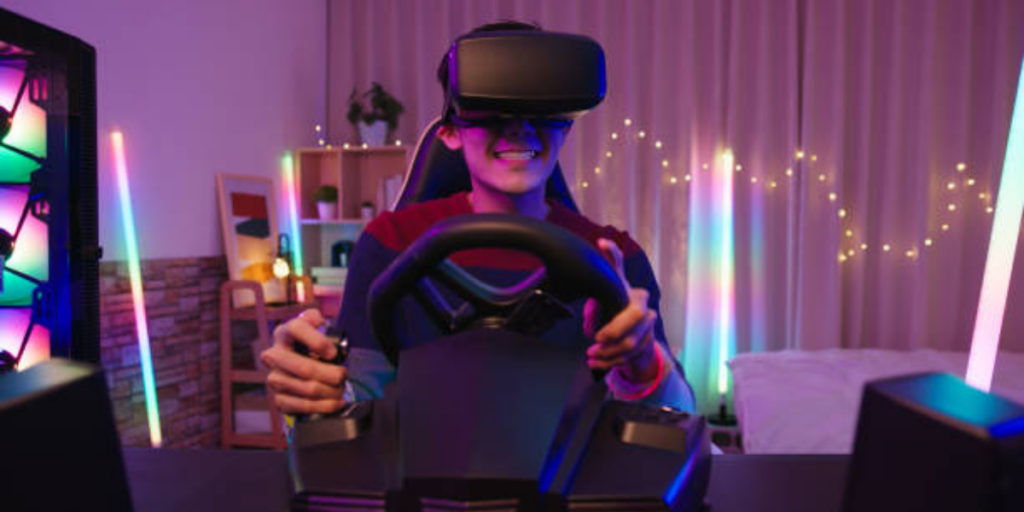
Back in the early 2000s, online multiplayer started gaining popularity. Titles like World of Warcraft proved that players wanted persistent online worlds.
Then came digital marketplaces.
The Rise of Digital Distribution
Platforms like Steam changed everything. Instead of:
- Driving to a store
- Waiting in line
- Hoping copies weren’t sold out
You could download instantly.
Today, major console ecosystems like Nintendo, Sony Interactive Entertainment, and Microsoft rely heavily on digital sales.
The Cloud Gaming Revolution
Cloud gaming means playing games without high-end hardware. The game runs on remote servers and streams to your device.
Examples include:
- Xbox Cloud Gaming
- NVIDIA GeForce Now
- PlayStation Plus streaming
This shift is pushing digital gaming into a hardware-independent future.
Why Digital Gaming Is Dominating the Entertainment Industry
Digital gaming is now bigger than movies and music combined in revenue. That’s not hype—it’s fact.
Here’s why it dominates:
Instant Access
Players can download games immediately.
Global Multiplayer Connectivity
Gamers from different continents compete in seconds.
Live Updates & Patches
Developers fix bugs or add features without shipping new copies.
Microtransactions & In-Game Economies
Digital purchases fuel massive revenue streams.
Cross-Platform Integration
Games like Fortnite allow console, PC, and mobile players to compete together.
Types of Digital Gaming (Explained Clearly)
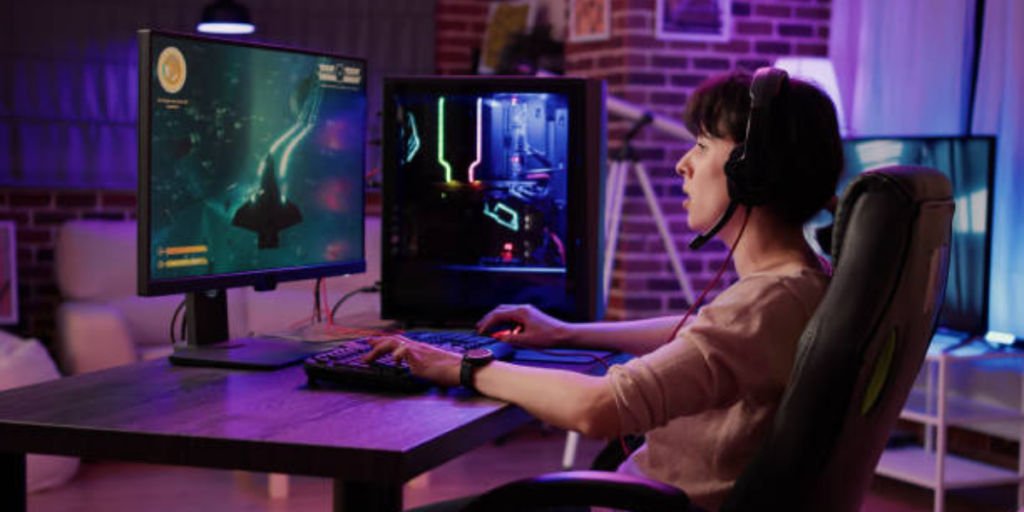
Digital gaming isn’t one thing. It includes multiple categories:
Console Digital Gaming
- PlayStation Store
- Xbox Store
- Nintendo eShop
PC Digital Gaming
- Steam
- Epic Games Store
- GOG
Mobile Digital Gaming
- App Store
- Google Play
Cloud-Based Digital Gaming
No downloads. Pure streaming.
VR & AR Digital Gaming
Virtual reality games offer immersive digital worlds.
Digital Gaming vs Traditional Gaming: Key Differences
| Feature | Digital Gaming | Traditional Physical Gaming |
|---|---|---|
| Purchase Method | Online Download | Physical Disc |
| Updates | Instant Online | Manual / Limited |
| Storage | Cloud / Digital Library | Physical Shelf |
| Multiplayer | Global Online | Local Mostly |
| Convenience | Very High | Moderate |
Honestly, once you go digital, it’s hard to go back.
The Technology Behind Digital Gaming
Digital gaming relies on several technologies:
Cloud Computing
Remote servers host games.
High-Speed Internet
Low latency is essential.
Graphics Processing Units (GPUs)
Power high-resolution visuals.
Artificial Intelligence
Improves NPC behavior and matchmaking.
Blockchain (Emerging)
Used in NFT-based gaming economies.
Digital gaming is basically a tech ecosystem.
The Economic Impact of Digital Gaming
Digital gaming contributes billions annually to the global economy.
Revenue streams include:
- Game sales
- In-game purchases
- Battle passes
- Esports sponsorships
- Streaming platforms
- Advertising
Competitive games like League of Legends generate massive tournament prize pools.
Esports events now fill stadiums.
The Social Side of Digital Gaming
Here’s something people misunderstand.
Digital gaming is not isolating.
It actually:
- Builds communities
- Creates friendships
- Enables teamwork
- Encourages communication
Platforms like Discord grew because of gaming communities.
Gamers don’t just play. They connect.
Benefits of Digital Gaming
Let’s be honest—there are a lot of positives.
Convenience
Lower Long-Term Cost
Instant Multiplayer
Regular Content Updates
Access to Indie Titles
Digital gaming also supports independent developers more easily.
Downsides of Digital Gaming
Not everything is perfect.
Internet Dependency
Server Outages
Digital Ownership Concerns
Microtransaction Pressure
Screen Time Addiction
If servers shut down, your game might disappear. That’s a real concern.
Digital Gaming and Esports: A Billion-Dollar Arena
Esports is organized competitive digital gaming.
Professional players compete in tournaments for prize money and sponsorships.
Games like:
- League of Legends
- Fortnite
- Dota 2
have created global stars.
Esports careers now include:
- Pro players
- Coaches
- Analysts
- Streamers
- Content creators
It’s no longer “just gaming.”
How Digital Gaming Impacts Mental Skills
Studies suggest digital gaming can improve:
- Reaction time
- Strategic thinking
- Problem-solving
- Hand-eye coordination
- Team collaboration
Of course, moderation matters.
Balance is everything.
Digital Gaming for Education & Training
Surprisingly, digital gaming is used in:
- Military simulations
- Medical training
- Corporate skill-building
- Language learning
Gamification improves engagement.
Learning through play works.
The Future of Digital Gaming: What’s Next?
The future looks wild.
AI-Generated Worlds
Fully Immersive VR Universes
Blockchain-Based Ownership
Hyper-Realistic Graphics
Cross-Reality Integration
Metaverse concepts could merge social media and digital gaming into one ecosystem.
And honestly, we’re just getting started.
How to Get Started with Digital Gaming (Beginner Guide)
If you’re new, here’s a simple plan:
- Choose your platform (PC, console, mobile)
- Create an account on a digital store
- Start with free-to-play games
- Use headphones for immersion
- Join online communities
Don’t overthink it. Just start.
Frequently Asked Questions (FAQs)
What is digital gaming?
Digital gaming is the act of playing video games through online downloads, streaming platforms, or cloud-based services instead of physical discs.
Is digital gaming better than physical gaming?
Digital gaming offers more convenience and instant access, while physical gaming offers tangible ownership. It depends on preference.
Does digital gaming require internet?
Most digital gaming platforms require internet for downloads and multiplayer, though some single-player games work offline.
What are examples of digital gaming?
Examples include downloading games on PlayStation, playing on Steam, mobile gaming apps, and cloud gaming services.
Is digital gaming safe?
Digital gaming is safe when using secure platforms, parental controls, and responsible screen-time habits.
Conclusion: Digital Gaming Is the Future—Whether You’re Ready or Not
Digital gaming has moved far beyond a niche hobby. It drives global entertainment, shapes online communities, powers esports, and pushes technological innovation forward.