
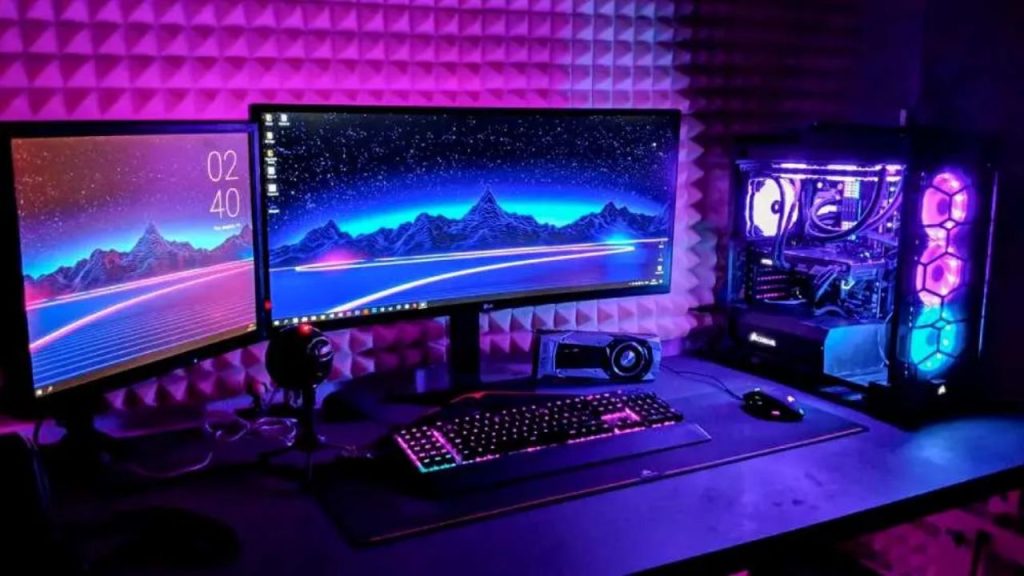
Desktop gameing has evolved into more than just a hobby—it’s a full experience that blends power, creativity, and competition. Whether you’re a beginner exploring your first setup or a serious player aiming for elite performance, understanding desktop gaming can completely transform how you play and enjoy games.
This guide breaks everything down in a clear, human way—from hardware essentials to real-life gamers who shaped the scene—so you can build, upgrade, and master your own gaming world.
What is Desktop Gameing and Why It Matters
Desktop gameing refers to playing video games on a dedicated desktop computer rather than a console or mobile device. It offers unmatched performance, customization, and visual quality.
Why Gamers Prefer Desktop Over Other Platforms
- Higher performance and faster processing
- Better graphics quality with powerful GPUs
- Customizable components
- Upgrade flexibility
- Competitive advantage in multiplayer games
Unlike consoles, desktops let you control every part of your gaming experience. You can tweak settings, upgrade parts, and push performance limits.
Essential Components of a Desktop Gameing Setup
Building a powerful desktop gaming system requires understanding its core parts.
Processor (CPU)
The CPU is the brain of your computer. It handles game logic, physics, and background tasks. A strong processor ensures smooth gameplay without lag.
Graphics Card (GPU)
The GPU is the heart of desktop gameing. It renders visuals, textures, and animations. A powerful GPU delivers realistic graphics and high frame rates.
RAM (Memory)
RAM allows your system to multitask. Modern games require at least 16GB for smooth performance.
Storage (SSD vs HDD)
- SSD: Faster load times and better performance
- HDD: More storage but slower speed
H3: Cooling System
Gaming systems generate heat. Proper cooling keeps performance stable and extends hardware life.
How to Build the Perfect Desktop Gameing Setup
Building your own setup gives you full control and better value.
Choose Your Budget
Start by deciding how much you want to spend. Budget determines your performance level.
Balance Your Components
Don’t overspend on one part while ignoring others. A balanced system performs better overall.
Focus on Future Upgrades
Choose a motherboard and power supply that allow upgrades later.
Desktop Gameing Setup Tips for Maximum Performance
Optimize Graphics Settings
Adjust settings like shadows, textures, and resolution for smoother gameplay.
Keep Drivers Updated
Updated drivers improve performance and fix bugs.
Use Gaming Accessories
- Mechanical keyboard
- High-refresh-rate monitor
- Gaming mouse with precision tracking
Internet Speed Matters
Online gaming requires stable and fast internet. Lag can ruin even the best setup.
Famous Personalities in Desktop Gameing
To understand desktop gameing culture, it helps to look at individuals who shaped it.
Ninja
Ninja became one of the most recognizable gaming figures through competitive play and streaming. His success showed how desktop gameing can turn into a professional career.
Shroud
Shroud is known for his incredible aiming skills and calm gameplay style. His precision highlights the advantage of desktop gaming setups.
PewDiePie
PewDiePie built a massive audience by sharing gameplay experiences. His journey proves that personality and creativity matter as much as skill.
These individuals represent how desktop gameing can evolve into entertainment, career, and global influence.
Advantages of Desktop Gameing
Performance Power
Desktop systems outperform laptops and consoles in raw power.
Customization Freedom
You can build a setup that matches your exact needs.
Better Graphics Experience
Enjoy ultra settings, ray tracing, and high frame rates.
Long-Term Investment
Upgradeable parts make desktops cost-effective over time.
Common Mistakes to Avoid
Ignoring Cooling
Overheating reduces performance and damages components.
Buying Cheap Power Supply
A low-quality PSU can harm your entire system.
Overlooking Monitor Quality
A good GPU needs a good display to shine.
Future of Desktop Gameing
Desktop gameing continues to grow with technologies like:
- Virtual reality (VR)
- Artificial intelligence in gaming
- Cloud integration
- Ultra-realistic graphics
The future promises more immersive and interactive experiences.
Quick Info About Desktop Gameing
- Minimum RAM: 16GB
- Recommended GPU: Mid to high-end
- Storage: SSD preferred
- Best use: Competitive and high-performance gaming
- Upgrade cycle: Every 2–4 years
FAQs About Desktop Gameing
Is desktop gameing better than console gaming?
Yes, it offers better performance, graphics, and customization.
How much does a good gaming desktop cost?
A solid setup can range from $800 to $2000 depending on performance.
Can beginners build a gaming desktop?
Yes, with basic research and guidance, anyone can build one.
How long does a gaming PC last?
With upgrades, it can last 5–8 years or more.
Do I need expensive accessories?
Not necessarily, but quality accessories improve the experience.
Final Thoughts
Desktop gameing is not just about playing games—it’s about control, performance, and creativity. From building your own machine to exploring professional gaming paths, it offers endless possibilities.
Whether you aim to compete, stream, or simply enjoy high-quality gameplay, investing in a desktop gaming setup is one of the smartest choices you can make in the gaming world.