
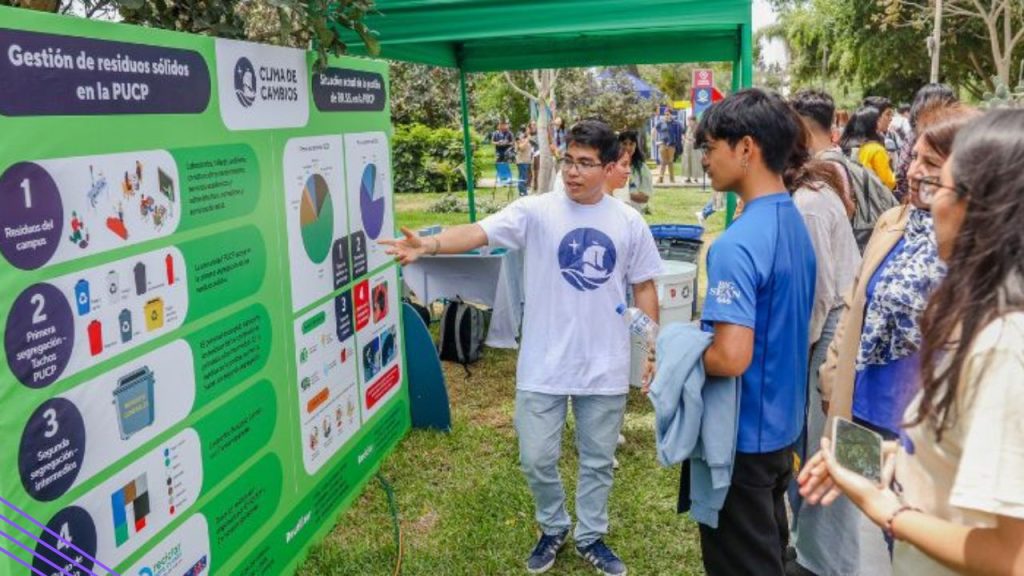
Environmental problems continue to grow across the world. Climate change, pollution, deforestation, and water shortages affect millions of people every year. In response to these challenges, educación ambiental has become one of the most powerful tools for creating a healthier planet. It teaches people how their actions impact nature and how small changes can protect the environment for future generations.
Environmental education is not only about learning facts. It also builds responsibility, awareness, and practical habits. Schools, families, businesses, and communities all play important roles in spreading environmental knowledge. As more people adopt eco-friendly lifestyles, societies become cleaner, healthier, and more sustainable.
This article explores the meaning of educación ambiental, its importance, benefits, methods, and the people who help make environmental education successful around the world.
What Is educación ambiental?
educación ambiental refers to the process of teaching people about the environment and encouraging responsible actions to protect natural resources. It combines science, social awareness, and practical activities to help individuals understand environmental issues.
The main goal is to create informed citizens who can make better decisions for the planet. Environmental education can happen in schools, universities, homes, workplaces, and community programs.
People learn about topics such as:
- Climate change
- Recycling
- Renewable energy
- Wildlife protection
- Water conservation
- Sustainable living
- Pollution control
This type of education encourages people to think critically and act responsibly.
Why educación ambiental Matters Today
Rising Environmental Problems
Modern society faces many environmental challenges. Air pollution affects public health, forests continue to disappear, and oceans contain large amounts of plastic waste. Without awareness and action, these problems may become worse.
educación ambiental helps people understand the causes and consequences of these issues. When individuals learn how their daily habits affect nature, they are more likely to make eco-friendly choices.
Encouraging Sustainable Habits
Environmental education promotes habits that reduce waste and conserve resources. These habits include:
- Using reusable products
- Saving electricity
- Conserving water
- Recycling household waste
- Reducing plastic consumption
Even small actions can create a big impact when millions of people participate.
Supporting Future Generations
Children who grow up learning about sustainability often become environmentally responsible adults. They carry these lessons into their careers, homes, and communities.
As a result, educación ambiental creates long-term positive change.
The Main Objectives of educación ambiental
Increasing Awareness
One major objective is to help people recognize environmental problems around them. Awareness is the first step toward meaningful action.
Building Knowledge
Environmental education provides scientific and practical knowledge about ecosystems, climate, and sustainability.
Developing Positive Attitudes
People develop respect for nature and understand the importance of protecting natural resources.
Encouraging Participation
Communities become more involved in environmental projects such as tree planting, recycling campaigns, and clean-up programs.
How Schools Promote educación ambiental
Schools play a central role in environmental education. Teachers introduce students to environmental concepts through lessons, activities, and outdoor learning experiences.
Classroom Learning
Students learn about:
- Ecosystems
- Wildlife conservation
- Renewable energy
- Global warming
- Pollution prevention
These subjects help students understand how the planet works.
Practical Activities
Hands-on activities make learning more effective. Many schools organize:
- Gardening projects
- Recycling programs
- Nature walks
- Science fairs
- Environmental competitions
Students often enjoy practical learning more than traditional lectures.
Eco-Friendly School Policies
Some schools reduce waste by banning single-use plastics and promoting reusable materials. These actions teach students responsibility through daily practice.
The Role of Families in Environmental Education
Parents strongly influence children’s habits and attitudes. Families can support educación ambiental by practicing sustainable living at home.
Teaching by Example
Children copy adult behavior. Parents who recycle, conserve water, and avoid waste help children develop similar habits.
Outdoor Experiences
Activities such as hiking, gardening, and visiting parks help children appreciate nature.
Reducing Household Waste
Families can work together to:
- Separate recyclable materials
- Use reusable shopping bags
- Reduce food waste
- Save electricity
These simple actions encourage long-term environmental awareness.
Famous Individuals Supporting Environmental Awareness
Many individuals have inspired global environmental action through education and activism.
Greta Thunberg
Greta Thunberg is one of the most recognized environmental activists in the world. She became famous for encouraging governments and individuals to take climate change seriously.
Greta started speaking publicly as a teenager and inspired millions of young people to participate in climate awareness campaigns. Her speeches and activism increased global discussions about sustainability and environmental responsibility.
David Attenborough
David Attenborough has educated people about nature for decades through documentaries and public speaking.
His wildlife programs helped viewers understand the beauty of ecosystems and the dangers caused by pollution and climate change. Many people developed a stronger connection with nature after watching his educational work.
Wangari Maathai
Wangari Maathai was an environmental leader from Kenya who promoted tree planting and sustainable development.
She founded the Green Belt Movement, which encouraged communities to plant millions of trees. Her efforts showed how environmental education can improve both society and nature.
Technology and educación ambiental
Technology has changed how people learn about environmental issues.
Online Learning Platforms
Students and adults can now access environmental courses online. Videos, digital books, and virtual classrooms make learning easier and more accessible.
Social Media Awareness
Social media platforms spread environmental campaigns quickly. People share eco-friendly ideas, recycling tips, and sustainability challenges.
Smart Environmental Solutions
Modern technology also supports environmental protection through:
- Solar energy systems
- Electric vehicles
- Smart recycling systems
- Water-saving devices
These innovations encourage sustainable lifestyles.
Challenges Facing educación ambiental
Although environmental education continues to grow, several challenges still exist.
Lack of Resources
Some schools and communities do not have enough funding for environmental programs.
Limited Awareness
In certain regions, people still do not fully understand environmental issues.
Resistance to Change
Some individuals resist changing old habits because sustainable alternatives may seem difficult or expensive at first.
Despite these challenges, awareness continues to increase globally.
How Communities Can Improve Environmental Awareness
Communities can strengthen educación ambiental through teamwork and local action.
Organizing Clean-Up Campaigns
Neighborhood clean-up projects help reduce pollution and encourage teamwork.
Planting Trees
Tree planting improves air quality and creates greener spaces.
Supporting Eco-Friendly Businesses
Communities can encourage businesses that use sustainable practices and reduce environmental harm.
Hosting Educational Events
Workshops, seminars, and environmental fairs help spread awareness among all age groups.
The Future of educación ambiental
The future of environmental education looks promising. Governments, schools, and organizations increasingly recognize the importance of sustainability.
As technology improves and awareness grows, more people will have access to environmental knowledge. Younger generations already show strong interest in climate action and eco-friendly living.
In the coming years, educación ambiental may become an even larger part of school systems, workplace training, and community development programs worldwide.
FAQs
What does educación ambiental mean?
It means environmental education that teaches people how to protect nature and live sustainably.
Why is environmental education important?
It helps people understand environmental problems and encourages eco-friendly habits.
Who can benefit from educación ambiental?
Everyone can benefit, including students, families, teachers, businesses, and communities.
How can children learn environmental responsibility?
Children learn through school lessons, outdoor activities, recycling programs, and positive examples from adults.
What are eco-friendly habits?
Eco-friendly habits include recycling, saving water, reducing waste, and conserving energy.
Conclusion
educación ambiental is one of the strongest tools for creating a sustainable future. It teaches people how their choices affect the environment and encourages responsible actions that protect natural resources.
From schools and families to activists and global organizations, environmental education continues to inspire positive change. As more communities adopt eco-friendly practices, the world moves closer to a cleaner and healthier future.
The journey toward sustainability begins with awareness, and awareness begins with education.