

Introduction
The college football game is one of the most popular and competitive sports in the United States, played at the collegiate level under the governance of the NCAA (National Collegiate Athletic Association). Known for its passionate fan base, historic rivalries, and high-energy stadium atmosphere, college football has become a cultural phenomenon beyond just sport. Unlike professional football, the college football game focuses on student-athletes representing universities, creating a strong sense of pride and tradition. Over the decades, it has produced legendary players who later became stars in the NFL. This article explores the history, structure, rules, teams, rankings, and modern evolution of the college football game in detail.
What is a College Football Game?
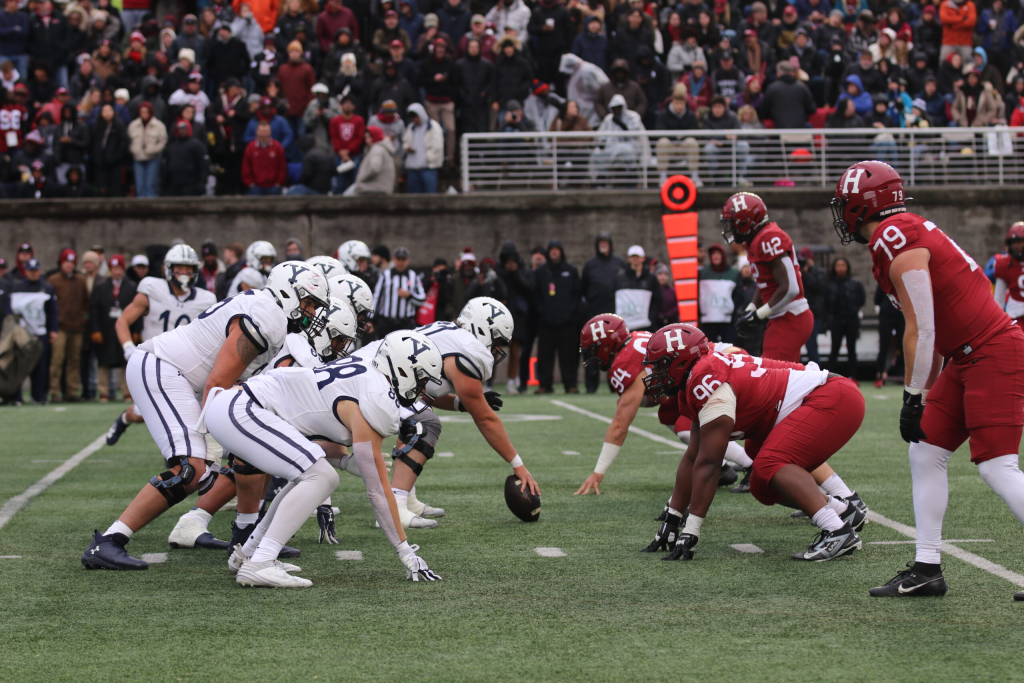
A college football game is an American football match played between university teams in the United States. It is primarily organized by the NCAA, with different divisions such as Division I, II, and III. The most competitive level is NCAA Division I Football Bowl Subdivision (FBS), where major schools compete. These games follow standard American football rules but with unique college-level regulations and playoff systems. The college football game is known for its emotional atmosphere, marching bands, and student sections that create an electrifying experience. It serves as both a sporting event and a tradition that unites students, alumni, and communities.
History of College Football Game
The history of the college football game dates back to 1869, when Rutgers played against Princeton in what is considered the first intercollegiate football match. Over time, the sport evolved from rugby-style rules into modern American football. In the early 20th century, safety reforms were introduced after rising injuries, leading to the formation of governing bodies like the NCAA in 1906. The college football game grew rapidly throughout the 1900s, becoming a major part of American sports culture. Television broadcasting in the mid-20th century further boosted its popularity, turning college football into a nationwide spectacle.
Structure of College Football Game System
The college football game system is divided into multiple divisions and conferences. The top level, NCAA Division I FBS, includes powerhouse conferences such as the SEC, Big Ten, ACC, Big 12, and Pac-12. Each team plays a regular season schedule followed by bowl games or playoff selection. The structure is designed to balance regional rivalries and national competition. Unlike professional leagues, there is no single unified playoff system for all teams historically, although the College Football Playoff (CFP) now determines the national champion. This structure makes the college football game both complex and highly competitive.
Rules of College Football Game
The rules of the college football game are similar to NFL rules but include several key differences. Games are played over four quarters of 15 minutes each, with overtime rules that allow both teams a chance to score from the opponent’s 25-yard line. The college football game uses a slightly different clock system, including stopping the clock after first downs in certain situations. Additionally, players must maintain academic eligibility, which adds another layer of regulation. Penalties, scoring methods, and field dimensions remain largely consistent with professional football standards.
Famous College Football Teams
Some of the most successful programs in the college football game include Alabama Crimson Tide, Ohio State Buckeyes, Notre Dame Fighting Irish, Michigan Wolverines, and Clemson Tigers. These teams have rich histories, national championships, and legendary coaches. The rivalry between Michigan and Ohio State is one of the most intense in sports history. Alabama, under coach Nick Saban, has dominated modern college football with multiple national titles. These programs attract top high school recruits, making them consistently competitive. Their success plays a major role in shaping the overall popularity of the college football game.
College Football Game Season Format
The college football game season typically begins in late August or early September and runs through January. Teams play a 12–13 game regular season, followed by conference championships and bowl games. The season concludes with the College Football Playoff, where the top four (soon expanding format) teams compete for the national championship. Bowl games such as the Rose Bowl, Sugar Bowl, and Orange Bowl are historic traditions in the sport. This structured season makes the college football game a long and exciting journey for teams and fans.
College Football Playoff System
The College Football Playoff (CFP) was introduced in 2014 to determine a clear national champion in the college football game. It replaced the controversial BCS system. The CFP selects the top-ranked teams based on performance, strength of schedule, and rankings. These teams compete in semifinal games leading to the national championship. The system is evolving, with expansion plans to include more teams in future seasons. The playoff system has increased fairness and competitiveness in the college football game landscape.
College Football Game Rivalries
Rivalries are a defining feature of the college football game. Historic matchups such as Army vs Navy, Alabama vs Auburn (Iron Bowl), and Michigan vs Ohio State attract massive attention every year. These rivalries are deeply rooted in tradition, geography, and historical competition. Fans often consider these games more important than championships. Rivalry games in the college football game bring intense emotions, packed stadiums, and national media coverage, making them unforgettable sporting events.

Role of Coaches in College Football Game
Coaches play a crucial role in shaping success in the college football game. Legendary coaches like Nick Saban, Bear Bryant, and Urban Meyer have built dynasties through recruitment and strategy. Coaches are responsible for training student-athletes, designing game plans, and maintaining team discipline. Unlike professional football, college coaches also focus heavily on player development and academics. Their leadership often determines the long-term success of programs in the college football game ecosystem.
College Football Game and Player Development
The college football game is a key pathway to the NFL. Many professional players begin their careers in college programs. Schools invest heavily in training facilities, coaching staff, and strength programs to develop athletes. Players gain exposure through national broadcasts and scouting events. The college football game acts as a bridge between high school sports and professional leagues, making it essential for athletic development in the United States.
College Football Game Stadium Experience
The stadium experience in a college football game is unmatched in sports culture. Stadiums like Michigan Stadium, Beaver Stadium, and Tiger Stadium hold over 100,000 fans. Marching bands, cheerleaders, and student sections create a vibrant atmosphere. Tailgating traditions before games are also a major part of the experience. This environment makes the college football game more than just a match—it becomes a cultural celebration.
Media Coverage and Broadcasting
Media plays a huge role in the popularity of the college football game. Major networks like ESPN, FOX Sports, and CBS broadcast games nationally. Streaming platforms have further expanded access to games worldwide. Media coverage includes rankings, analysis, and player highlights. This exposure has significantly increased the commercial value and global reach of the college football game.

Economic Impact of College Football Game
The college football game generates billions of dollars annually for universities and local economies. Revenue comes from ticket sales, merchandise, broadcasting rights, and sponsorships. Major games boost tourism and local business activity. Successful football programs often fund other athletic departments within universities. The economic influence of the college football game makes it a major industry in American sports.
College Football Game and Technology
Modern technology has transformed the college football game. Video replay systems, advanced analytics, wearable tracking devices, and AI-based performance tools are now widely used. Teams analyze player performance in real time to improve strategy. Fans also benefit from enhanced viewing experiences through HD broadcasts and digital platforms. Technology continues to shape the future of the college football game.
Future of College Football Game
The future of the college football game is expected to include playoff expansion, increased player compensation through NIL (Name, Image, Likeness) deals, and more global visibility. Discussions about conference realignment and rule changes are ongoing. The sport is evolving rapidly while maintaining its traditional roots. The college football game will likely continue growing in popularity and commercial value.
Conclusion
The college football game remains one of the most influential and exciting sports in the world. From its historic beginnings in the 19th century to its modern billion-dollar industry status, it has grown into a cultural powerhouse. With passionate fans, legendary teams, and intense rivalries, the college football game continues to define American sports culture. Its future promises even more innovation, expansion, and global attention while preserving the traditions that make it unique.
FAQs
1. What is a college football game?
It is an American football match played between university teams under NCAA rules.
2. When did college football start?
The first recorded game was played in 1869 between Rutgers and Princeton.
3. What is the College Football Playoff?
It is a system used to determine the national champion among top college teams.
4. Which is the most famous college football team?
Teams like Alabama, Ohio State, and Notre Dame are among the most famous.
5. How long is a college football season?
It usually runs from August to January.
6. Do college football players go to the NFL?
Yes, many players are drafted into the NFL after college.
7. Why is college football so popular?
Because of rivalries, traditions, stadium atmosphere, and strong fan culture.