
Introduction
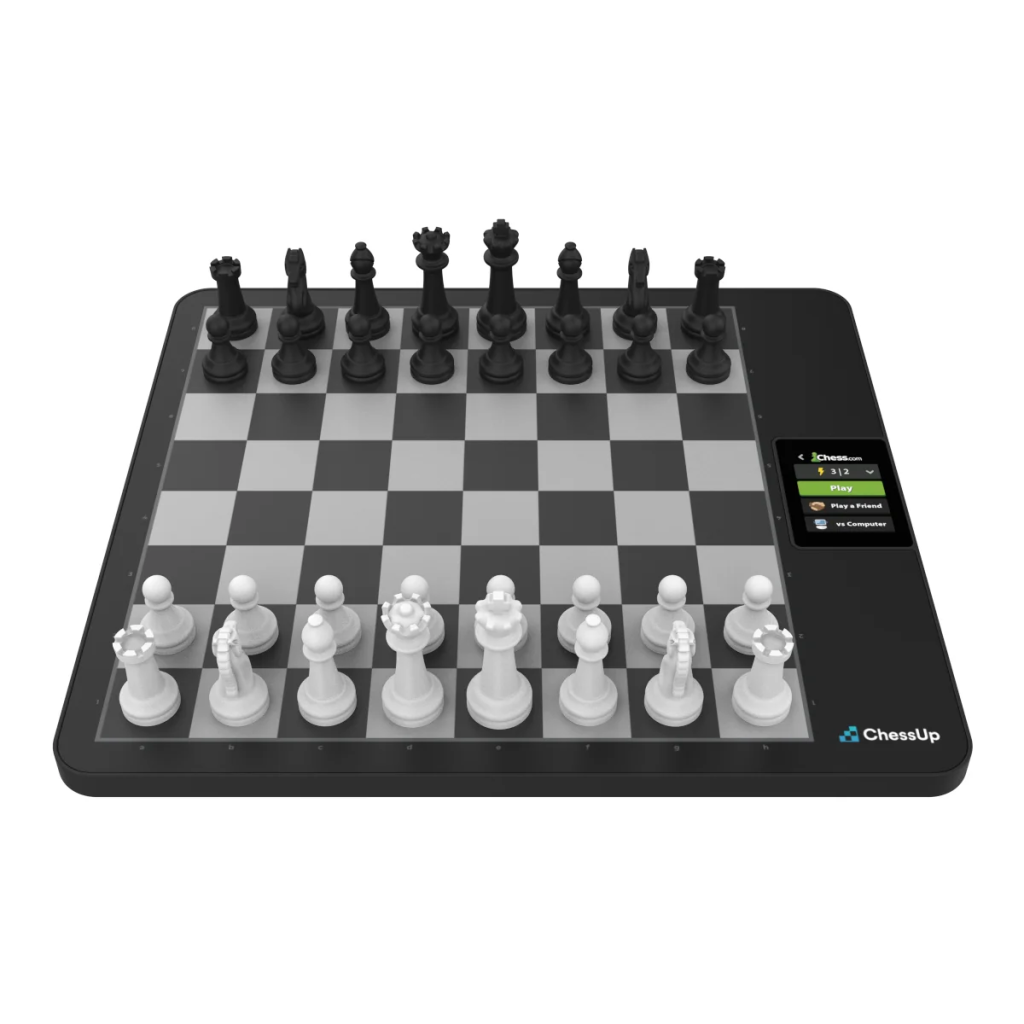
The computer chess game represents one of the most fascinating intersections between technology and strategic thinking. Since the earliest days of computing, developers and researchers have used chess as a testing ground for artificial intelligence and machine learning. What began as simple chess programs capable of evaluating only a few moves ahead has evolved into highly sophisticated engines capable of defeating the world’s best grandmasters. Today, the computer chess game is not only a source of entertainment but also a powerful educational and research tool. Modern chess engines influence professional training, competitive tournaments, and AI development, making the computer chess game one of the most significant achievements in gaming technology.
The Origins of the Computer Chess Game
The story of the computer chess game began in the mid-20th century when scientists started exploring whether machines could simulate human decision-making. Chess became the ideal challenge because it combines logic, strategy, and long-term planning. Early pioneers such as Alan Turing and Claude Shannon proposed theoretical models for chess-playing computers during the late 1940s and early 1950s. Although computers of that era lacked sufficient processing power, these foundational concepts established the framework for future development. The idea of teaching machines to play chess captured global attention and became one of the earliest practical applications of artificial intelligence research.
Alan Turing’s Contribution to Computer Chess
One of the most important figures in the history of the computer chess game is Alan Turing, often considered the father of modern computing. In 1951, Turing designed a chess-playing algorithm despite not having a computer powerful enough to execute it automatically. Instead, he manually calculated moves using the algorithm’s rules. His work demonstrated that machines could potentially perform strategic decision-making tasks traditionally associated with human intelligence. Turing’s early experiments laid the groundwork for future chess programs and influenced generations of computer scientists. Today, his contributions remain central to understanding how artificial intelligence evolved through chess-based research.
Claude Shannon and Early Chess Algorithms
Claude Shannon, another pioneer of computer science, played a major role in advancing the computer chess game. In 1950, he published a groundbreaking paper discussing how computers could evaluate chess positions and select optimal moves. Shannon introduced concepts such as position evaluation functions and selective search strategies that remain fundamental to modern chess engines. His research established chess as an ideal environment for studying artificial intelligence. By addressing the enormous complexity of chess calculations, Shannon helped transform theoretical ideas into practical development approaches. Many principles used in contemporary computer chess systems can be traced directly to his influential work.
The First Working Chess Programs
The first functional computer chess game programs emerged during the 1950s and 1960s. Researchers developed systems capable of generating legal moves and evaluating basic positions. Although these programs were relatively weak by modern standards, they represented significant technological milestones. Early systems ran on large mainframe computers and required substantial processing time for each move. Despite their limitations, they demonstrated that machines could participate in complex strategic activities. The progress achieved during this era inspired further investment in artificial intelligence research and accelerated the development of more advanced chess algorithms.
Growth of Computer Chess During the 1970s
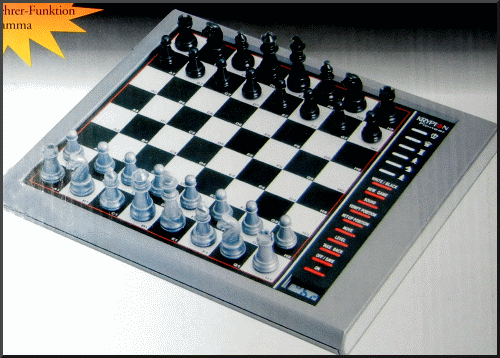
The 1970s marked a major turning point for the computer chess game. Advances in computing hardware allowed programs to analyze more positions and make stronger decisions. Universities and research institutions organized competitions to compare different chess engines and encourage innovation. Developers refined evaluation functions and search algorithms, improving overall playing strength. During this period, computer chess gained popularity among both researchers and enthusiasts. The emergence of dedicated chess computers also introduced the technology to a broader audience, helping establish the commercial market for computer-based chess products.
Rise of Dedicated Chess Computers
Dedicated chess computers became increasingly popular throughout the late 1970s and 1980s. These specialized devices were designed specifically to play the computer chess game and often featured built-in chessboards with electronic sensors. Consumers could challenge the machine at various difficulty levels, making advanced chess analysis accessible at home. Companies invested heavily in developing stronger hardware and software combinations. These products attracted hobbyists, competitive players, and educational institutions. The success of dedicated chess computers demonstrated the growing commercial appeal of computer chess and contributed to widespread public interest in artificial intelligence technologies.
Computer Chess Game and Artificial Intelligence
The computer chess game has always been closely connected to artificial intelligence development. Chess requires planning, pattern recognition, evaluation, and decision-making, making it an ideal testing environment for AI systems. Researchers used chess programs to explore search algorithms, optimization techniques, and knowledge representation methods. Many innovations developed for computer chess later influenced broader AI applications. As computing power increased, chess engines became more sophisticated and capable of handling increasingly complex positions. The relationship between chess and artificial intelligence continues today, with modern engines incorporating machine learning and neural network technologies.
Deep Blue vs Garry Kasparov
One of the most famous events in the history of the computer chess game occurred in 1997, when IBM’s Deep Blue defeated world champion Garry Kasparov. This landmark victory marked the first time a reigning world chess champion lost a match to a computer under standard tournament conditions. Deep Blue’s success demonstrated the rapid advancement of computing technology and captured global attention. The match sparked debates about the future of artificial intelligence and human-machine competition. It remains one of the most significant milestones in both chess history and computer science.
Evolution of Modern Chess Engines
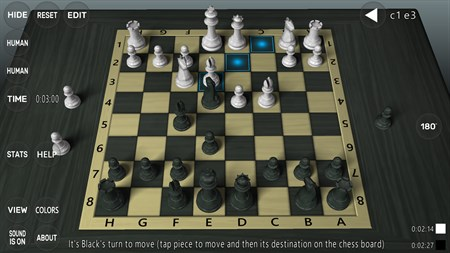
Following the success of Deep Blue, the computer chess game entered a new era characterized by rapid technological innovation. Developers created increasingly powerful engines such as Stockfish, Komodo, and Houdini. These programs combined advanced search algorithms with sophisticated evaluation systems. Improvements in hardware allowed engines to analyze millions of positions per second. As a result, modern chess engines achieved levels of accuracy and strength far beyond human capability. Their influence extended beyond competition, transforming training methods for players at all skill levels.
The Role of Stockfish in Computer Chess
Stockfish is widely regarded as one of the strongest and most influential engines in the history of the computer chess game. Developed as an open-source project, Stockfish benefits from contributions by programmers worldwide. Its exceptional search efficiency and evaluation capabilities have made it a preferred tool for professionals and amateurs alike. Regular updates ensure continuous improvement and adaptation to new technologies. Stockfish’s accessibility has democratized advanced chess analysis, allowing players around the world to study positions with unprecedented accuracy.
AlphaZero and Machine Learning Revolution
The introduction of AlphaZero by DeepMind revolutionized the computer chess game landscape. Unlike traditional engines that relied heavily on handcrafted evaluation functions, AlphaZero learned chess through self-play using deep neural networks. Within hours of training, it achieved a level of play capable of challenging the strongest existing engines. AlphaZero demonstrated the potential of machine learning and inspired a new generation of neural-network-based chess programs. Its success highlighted the growing importance of AI-driven approaches in modern chess engine development.
Online Chess Platforms and Engine Integration
Modern online platforms have transformed how players interact with the computer chess game. Websites such as Chess.com and Lichess integrate powerful engines for analysis, training, and gameplay. Users can review games, identify mistakes, and explore alternative strategies instantly. These platforms have made advanced chess education more accessible than ever before. Engine integration also supports puzzle generation, coaching tools, and personalized learning experiences. The combination of online accessibility and powerful AI has significantly expanded the global chess community.
Educational Benefits of Computer Chess
The computer chess game serves as an effective educational tool for players of all skill levels. Beginners can learn fundamental principles through interactive tutorials and guided analysis. Intermediate players use engines to improve tactical awareness and strategic understanding. Professional competitors rely on advanced computer analysis for tournament preparation. Beyond chess skills, computer chess promotes critical thinking, problem-solving, and decision-making abilities. Educational institutions increasingly recognize its value as a learning resource.
Competitive Computer Chess Tournaments
Computer chess has developed its own competitive ecosystem through engine tournaments and championships. Events such as the Top Chess Engine Championship (TCEC) and the Chess.com Computer Chess Championship showcase the strongest engines in the world. These competitions drive innovation by encouraging developers to improve performance continually. The results provide valuable insights into emerging technologies and engine strengths. Competitive computer chess remains an important part of the broader chess and AI communities.
Mobile Technology and Chess Applications
Mobile technology has expanded access to the computer chess game significantly. Modern smartphones can run powerful chess engines capable of analyzing complex positions instantly. Mobile applications provide convenient access to gameplay, training, puzzles, and analysis tools. This accessibility has contributed to the global growth of chess participation. Players can practice anywhere and benefit from advanced AI assistance regardless of location. Mobile platforms continue to play a major role in the popularity of computer chess.
Future Trends in Computer Chess Game Development
The future of the computer chess game is closely tied to advancements in artificial intelligence, cloud computing, and machine learning. Developers continue exploring new neural network architectures and training methods to improve engine performance. Cloud-based analysis services offer powerful computing resources to users worldwide. Future systems may provide even more personalized coaching and strategic insights. As technology evolves, the computer chess game will likely remain a leading example of AI innovation and practical application.
Impact on Professional Chess
Professional chess has been profoundly influenced by the computer chess game. Grandmasters now rely heavily on engine analysis for preparation and post-game review. Opening theory has expanded dramatically due to computer-assisted research. While some traditionalists initially resisted computer influence, most players now recognize its value as an essential training tool. The relationship between human creativity and machine precision continues to shape modern competitive chess.
Why Computer Chess Remains Important Today
The enduring relevance of the computer chess game extends beyond entertainment. It represents a successful application of artificial intelligence, contributes to education, and supports professional competition. Chess engines continue driving innovation in machine learning and decision-making systems. Their development demonstrates how technology can enhance human understanding while creating new opportunities for learning and competition. As both chess and AI continue evolving, computer chess remains a powerful symbol of technological progress.
Conclusion
The computer chess game has evolved from theoretical concepts developed by pioneers such as Alan Turing and Claude Shannon into one of the most advanced applications of artificial intelligence. Through decades of innovation, computer chess engines have surpassed human champions, transformed chess education, and contributed significantly to AI research. Modern platforms, powerful engines, and machine learning technologies continue expanding the possibilities of computer chess. Its history reflects the remarkable progress of computing technology and highlights the enduring partnership between strategic thinking and artificial intelligence.
FAQs
1. What is a computer chess game?
A computer chess game is a digital chess system that allows players to compete against AI-powered chess engines.
2. Who created the first computer chess program?
Early concepts were developed by Alan Turing and Claude Shannon during the 1950s.
3. What was Deep Blue?
Deep Blue was IBM’s chess computer that defeated world champion Garry Kasparov in 1997.
4. Which is the strongest chess engine today?
Stockfish is widely considered one of the strongest chess engines available.
5. What is AlphaZero?
AlphaZero is a machine-learning chess engine developed by DeepMind that learned chess through self-play.
6. Can computer chess help improve skills?
Yes, chess engines provide analysis, training, and feedback that help players improve.
7. Is computer chess related to AI research?
Yes, computer chess has played a major role in the development of artificial intelligence technologies.