

Introduction
The Impostor Game has become one of the most entertaining multiplayer social deduction games in recent years. Inspired by the classic concept of hidden identities, the game challenges players to work together while trying to identify the secret impostor among the group. Every match combines teamwork, communication, observation, and strategy, making each session different from the last.
Unlike traditional action games, The Impostor Game focuses on psychological gameplay rather than pure combat. Players must complete objectives, gather evidence, participate in discussions, and vote wisely to survive. Whether you play with friends or online opponents, understanding the game’s mechanics is essential for improving your chances of victory.
What Is The Impostor Game?
The Impostor Game is a multiplayer party game where players are divided into two primary roles: Crewmates and Impostors. Crewmates work together to complete tasks and identify the hidden impostor, while the impostor secretly eliminates players and sabotages important systems.
The excitement comes from uncertainty because no one knows who the impostor is at the beginning of the match. Every conversation, movement, and decision may reveal important clues. Players must carefully observe others, defend themselves during discussions, and make logical decisions before voting someone out.
The History of The Impostor Game
The popularity of The Impostor Game grew alongside the rise of social deduction games. Although hidden-role games have existed for decades in tabletop form, digital versions introduced real-time interaction and online multiplayer experiences.
Modern impostor-style games became especially popular during the global increase in online gaming communities. Content creators, streamers, and competitive players helped introduce millions of new gamers to this genre. Today, The Impostor Game continues attracting players because every match creates unique stories filled with suspense, deception, and unexpected twists.
Core Objective of The Impostor Game
The objective of The Impostor Game depends on the player’s assigned role. Crewmates must complete all assigned tasks or successfully identify and eliminate every impostor through voting. Meanwhile, the Impostor wins by eliminating enough crewmates to gain numerical control or by using sabotage to prevent task completion.
Because players receive their roles randomly, every match requires different strategies. Some games reward careful observation, while others depend on convincing communication or perfectly timed deception. This unpredictability is one of the biggest reasons players continue returning to the game.
Understanding the Main Roles
Every match of The Impostor Game revolves around two main roles that create constant tension throughout the game.
Crewmates
Crewmates focus on completing objectives, repairing sabotage, collecting information, and identifying suspicious behavior. Teamwork and communication are their greatest strengths.
Impostors
Impostors secretly eliminate players while pretending to complete tasks. They create confusion, spread misinformation, sabotage important systems, and manipulate discussions to avoid suspicion.
Mastering both roles helps players understand the game from multiple perspectives and greatly improves overall performance.
Basic Rules Every Player Should Know
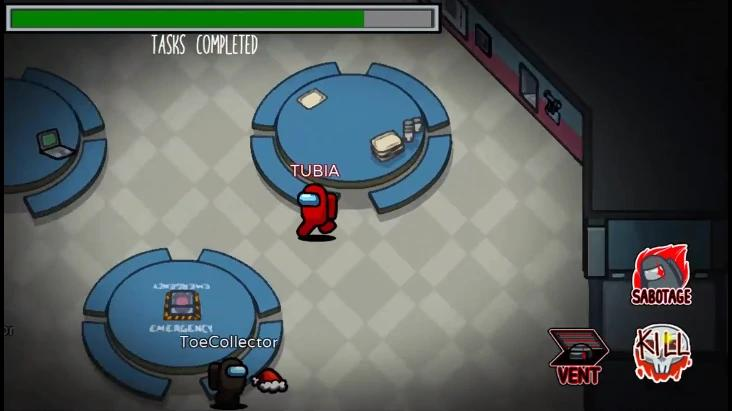
Although different versions may include additional features, the basic rules of The Impostor Game remain simple. Every player receives a secret role before the match begins, and revealing that role outside the game is prohibited.
Maps and Environments
The maps in The Impostor Game play a major role in shaping every match. Each environment contains different rooms, task locations, vents, security systems, and emergency stations. Learning the layout of every map helps both Crewmates and Impostors make better decisions during gameplay.
Experienced players memorize shortcuts, common hiding spots, and high-traffic areas where suspicious activity often occurs. Crewmates can move efficiently between objectives, while impostors use isolated locations and ventilation systems to escape unnoticed. Since every map offers unique challenges, mastering multiple environments significantly improves your chances of winning.
Understanding the Task System
Tasks are the primary objectives assigned to Crewmates in The Impostor Game. Completing every assigned task allows the crew to win even if the impostor remains alive. These objectives encourage players to explore the map while creating opportunities for observation and investigation.
Tasks generally fall into several categories:
- Short Tasks
- Long Tasks
- Common Tasks
- Visual Tasks (when enabled)
While crewmates genuinely complete objectives, impostors only pretend to perform them. Observing player behavior near task locations often provides valuable clues during emergency meetings.
Sabotage Mechanics
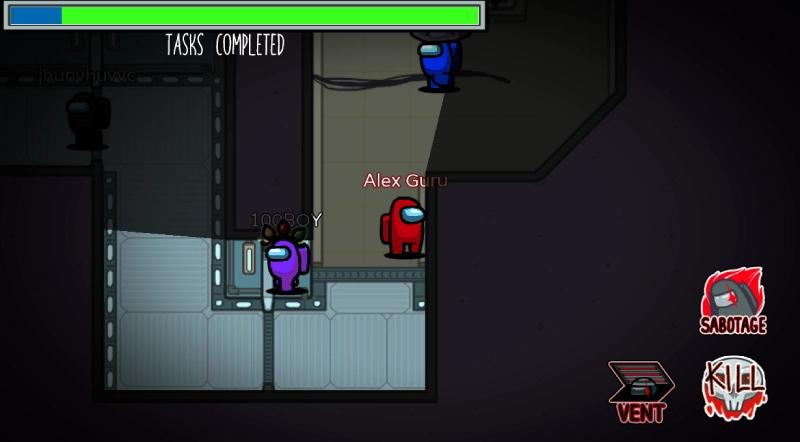
One of the most powerful abilities available to the Impostor is sabotage. Instead of relying only on eliminations, impostors can create emergencies that force crewmates to abandon their current tasks.
Common sabotage actions include:
- Turning off lights
- Disabling communications
- Locking doors
- Triggering reactor emergencies
- Activating oxygen failures
These events divide players, create panic, and provide perfect opportunities for stealth eliminations. Skilled impostors carefully time sabotages to maximize confusion while avoiding suspicion during later discussions.
Emergency Meetings
Emergency Meetings are among the most important features of The Impostor Game. Players can call a meeting after discovering a body or by pressing the emergency button when they believe someone is behaving suspiciously.
During these discussions, players share observations, defend themselves, and question others about their movements. Good communication is essential because false accusations can eliminate innocent teammates. Successful meetings rely on logical thinking rather than emotional reactions, making observation one of the most valuable skills in the game.
The Voting System
After every emergency meeting, players vote to eliminate the person they believe is the impostor. This voting phase determines the direction of the match and often decides the winner.
Effective voting depends on:
- Reliable evidence
- Witness statements
- Task observations
- Movement patterns
- Player behavior
- Consistent communication
Random voting usually benefits the impostor, while organized teamwork gives crewmates a better chance of identifying the correct suspect before it is too late.
Multiplayer Experience
One reason The Impostor Game remains popular is its engaging multiplayer experience. Friends, family members, and online players interact through voice or text communication while attempting to uncover hidden identities.
Every match creates memorable moments filled with suspense, surprise, and laughter. Since no two games unfold in exactly the same way, players continue returning for fresh experiences. Regular updates, custom game settings, and community-created challenges further increase replay value for both casual and competitive audiences.
Communication Strategies
Communication often determines whether a team succeeds or fails in The Impostor Game. Crewmates should provide clear, factual information without making unsupported accusations. Sharing exact locations, timing, and observed behaviors helps everyone make informed decisions.
Impostors, on the other hand, rely on deception. They must remain calm, answer questions confidently, and avoid creating contradictions that expose their identity. Learning when to speak, when to stay silent, and how to influence discussions is a key part of becoming a skilled player.
Best Strategies for Crewmates
Winning as a Crewmate in The Impostor Game requires teamwork, observation, and smart decision-making. Instead of wandering alone, players should stay near teammates whenever possible while completing assigned tasks. Watching others perform visual tasks and remembering player movements can provide valuable evidence during meetings.
Successful crewmates avoid making quick accusations without proof. Instead, they collect information throughout the match and compare observations with teammates during discussions. Completing tasks consistently is equally important because finishing every objective gives the crew another path to victory even if the impostor remains hidden until the final moments.
Best Strategies for Impostors
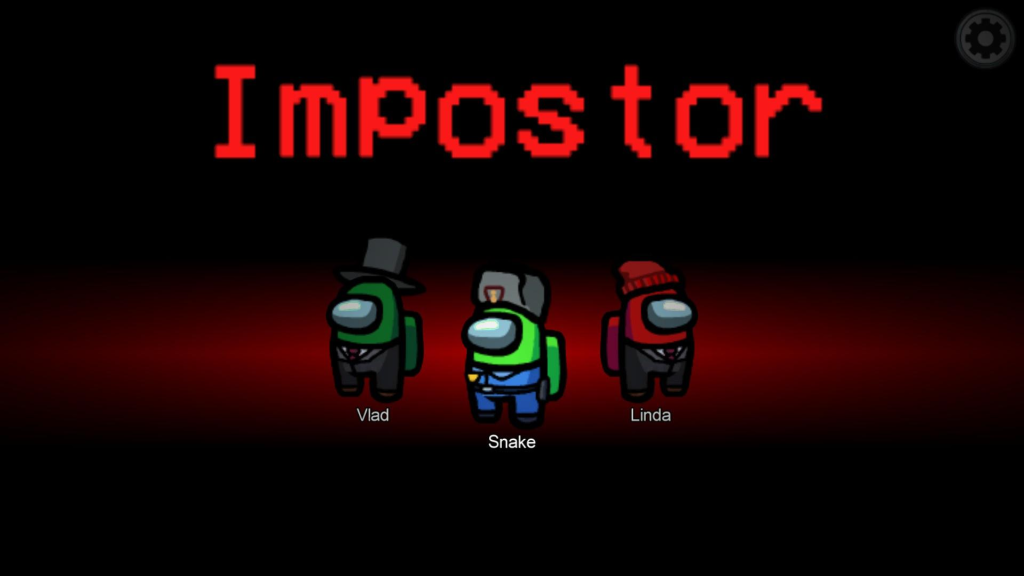
Playing as the Impostor demands patience, confidence, and careful planning. Successful impostors blend naturally with the crew by pretending to complete tasks and avoiding suspicious behavior. Eliminations should happen only when escape routes are available and nearby witnesses are unlikely.
Sabotage is an essential part of every strategy. Turning off lights, locking doors, or creating emergency situations forces crewmates to separate, creating opportunities for unnoticed eliminations. During meetings, experienced impostors stay calm, provide believable explanations, and avoid unnecessary arguments. The best deception is often subtle enough that nobody notices until the game ends.
Common Mistakes Beginners Make
New players often struggle because they make predictable mistakes. One common error is accusing someone without enough evidence, which can eliminate innocent teammates and help the impostor win. Another mistake is ignoring tasks while spending too much time following other players.
Impostors also make beginner mistakes by eliminating players too quickly or using sabotage carelessly. Standing near vents for long periods, pretending to complete impossible tasks, or giving inconsistent stories during meetings can immediately raise suspicion. Learning from these mistakes helps players improve much faster and enjoy more successful matches.
Tips to Improve Your Skills Quickly
Improving in The Impostor Game requires both practice and careful observation. Every completed match teaches valuable lessons about player behavior, communication, and strategy. Watching experienced players or competitive content creators can also reveal advanced techniques.
Useful improvement tips include:
- Memorize every map layout.
- Pay attention to player movements.
- Communicate clearly during meetings.
- Avoid emotional voting decisions.
- Practice both Crewmate and Impostor roles.
- Learn common sabotage patterns.
- Stay calm under pressure.
Consistent practice will naturally improve decision-making and increase your overall win rate.
Why The Impostor Game Remains Popular
The lasting popularity of The Impostor Game comes from its unique blend of strategy, deception, teamwork, and unpredictable gameplay. Every match feels different because player behavior constantly changes, creating new stories and exciting moments.
The game is also easy to learn while offering deep strategic possibilities for experienced players. Streamers, YouTubers, and online communities continue introducing new audiences to the game through entertaining matches and creative custom rules. This strong community support has helped maintain its popularity across multiple platforms.
The Future of The Impostor Game
As online multiplayer gaming continues to evolve, The Impostor Game is expected to receive new maps, gameplay features, customization options, and quality-of-life improvements. Developers regularly listen to community feedback to balance gameplay and introduce fresh content.
Future updates may include additional roles, expanded customization, improved matchmaking, and more interactive environments. These improvements will help attract new players while keeping longtime fans engaged. With its strong community and timeless social deduction mechanics, The Impostor Game is well-positioned to remain popular for years to come.
Conclusion
The Impostor Game has established itself as one of the most engaging multiplayer social deduction games available today. Its unique blend of teamwork, deception, communication, and strategic thinking creates an experience that remains exciting no matter how many matches you play. Whether you are completing tasks as a Crewmate or secretly eliminating opponents as the Impostor, every round offers new challenges and memorable moments.
The game’s simple mechanics make it accessible to beginners, while its psychological depth keeps experienced players coming back. Learning the maps, understanding player behavior, mastering communication, and practicing different strategies are the keys to becoming a stronger player. As developers continue introducing updates and new features, The Impostor Game is likely to remain a favorite among casual gamers, friends, families, and competitive communities around the world.
FAQs
1. What is The Impostor Game?
The Impostor Game is a multiplayer social deduction game where players are assigned the roles of Crewmates or Impostors. Crewmates complete tasks, while impostors secretly eliminate players and avoid detection.
2. Is The Impostor Game free to play?
Availability depends on the platform and version. Some editions are free with optional in-game purchases, while others require a one-time purchase.
3. How do Crewmates win?
Crewmates win by completing all assigned tasks or successfully identifying and voting out every impostor before the crew is eliminated.
4. What does the Impostor do?
The Impostor sabotages important systems, secretly eliminates players, spreads misinformation during meetings, and attempts to avoid suspicion until victory is achieved.
5. Can I play The Impostor Game with friends?
Yes. Most versions support online multiplayer and private lobbies, making it easy to play with friends or family.
6. What skills help players improve?
Observation, communication, teamwork, logical thinking, map knowledge, and understanding player behavior are the most important skills for success.
7. Is The Impostor Game suitable for beginners?
Yes. The rules are easy to understand, and new players can quickly improve by practicing, learning the maps, and participating in discussions.