
Introduction
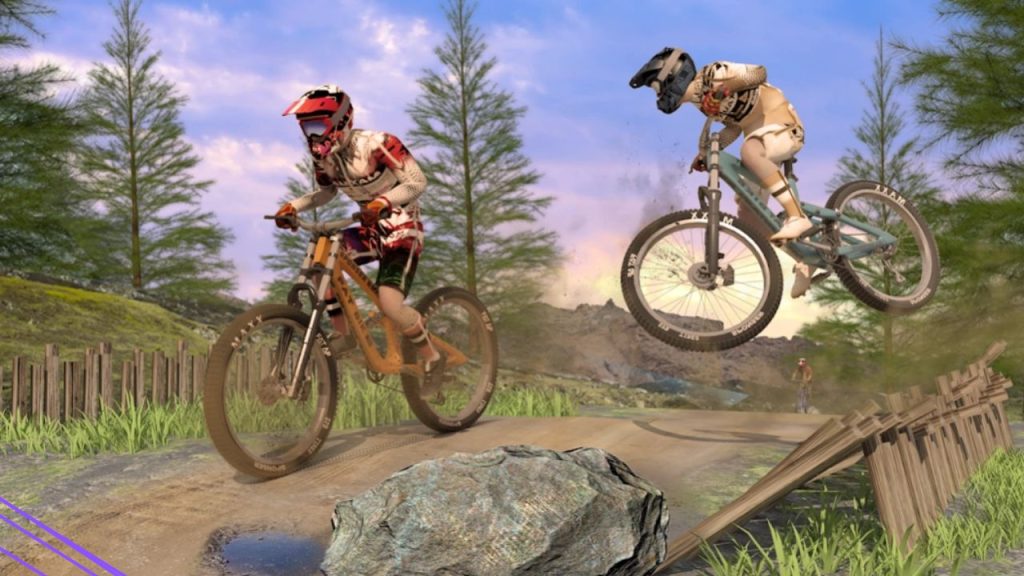
The mountain bike racing game genre has become a popular segment of the gaming industry, offering players the thrill of off-road cycling, challenging terrains, and high-speed competition. Unlike traditional racing games that focus on cars or motorcycles, mountain bike games emphasize balance, precision, endurance, and technical riding skills. Over the years, developers have created increasingly realistic experiences featuring detailed environments, advanced physics systems, and immersive gameplay mechanics. Modern mountain bike racing games attract both cycling enthusiasts and casual gamers who enjoy outdoor adventure experiences. This comprehensive guide explores the history, evolution, gameplay mechanics, leading titles, and future trends shaping the world of the mountain bike racing game genre.
The Origins of Mountain Bike Racing Games
The history of the mountain bike racing game genre can be traced back to the early years of sports gaming when developers began experimenting with alternative racing experiences beyond automobiles. Early cycling games featured simple graphics and limited mechanics due to hardware constraints. However, they introduced the concept of navigating challenging terrain while maintaining speed and control. As gaming technology advanced throughout the 1990s and early 2000s, developers improved visual quality, bike handling systems, and environmental design. These innovations helped establish mountain biking as a unique racing category. The genre gradually gained recognition among players seeking a more technical and skill-based racing experience.
Understanding the Mountain Bike Racing Game Genre
A mountain bike racing game focuses on off-road cycling competitions that challenge players to navigate rugged terrain, steep hills, forest trails, and obstacle-filled courses. Unlike road cycling games, mountain bike experiences emphasize terrain interaction and rider control. Players must carefully manage speed, braking, jumping, and balance while competing against opponents or completing timed challenges. The genre often combines racing mechanics with exploration, stunt performance, and career progression systems. By simulating real-world mountain biking conditions, these games provide an engaging experience that appeals to sports enthusiasts and adventure gamers alike.
Why Mountain Bike Games Are Popular
The popularity of the mountain bike racing game genre stems from its unique combination of excitement, strategy, and realism. Players enjoy the challenge of navigating difficult trails while maintaining control over their bikes. The genre offers a sense of freedom and exploration that distinguishes it from traditional racing games. Beautiful natural environments, realistic physics, and dynamic weather systems contribute to immersion. Many players are also attracted by the opportunity to experience mountain biking virtually without the physical risks associated with the real sport. These factors have helped the genre build a loyal global audience.
Evolution of Graphics and Technology
Technological advancements have significantly transformed the mountain bike racing game experience. Early titles relied on basic visual designs and limited environmental detail. Modern games, however, feature highly realistic landscapes, advanced lighting systems, and detailed bike models. Improvements in graphics processing power allow developers to create forests, mountains, rivers, and weather effects that closely resemble real-world environments. Enhanced animation systems provide smoother rider movements and more natural interactions with terrain. These advancements contribute to greater immersion and help players feel connected to the virtual world they are exploring.
Realistic Physics in Mountain Bike Racing Games
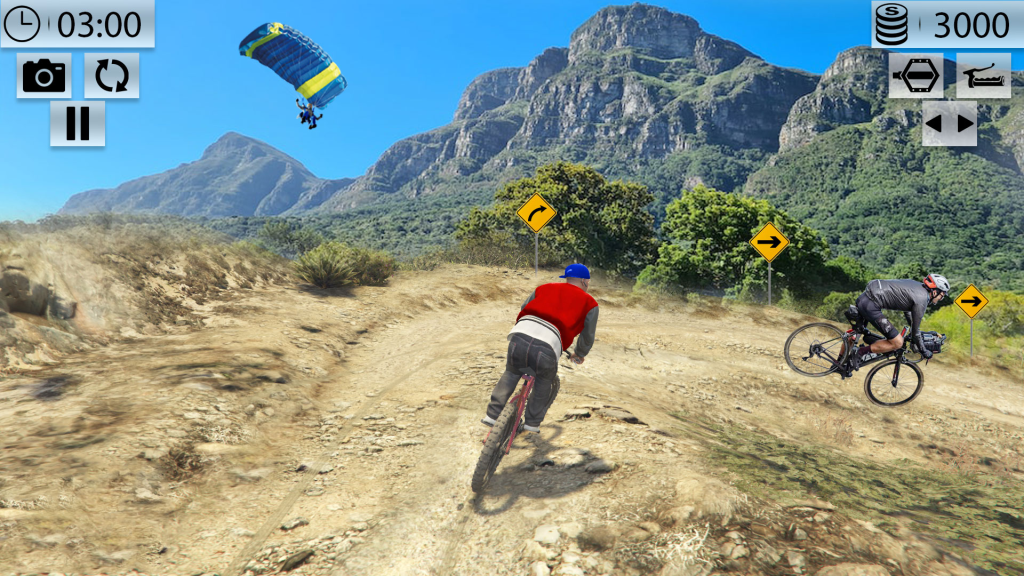
Physics simulation is one of the most important aspects of a successful mountain bike racing game. Unlike arcade-style racing titles, mountain biking requires accurate representation of balance, momentum, suspension movement, and terrain impact. Developers use sophisticated physics engines to simulate how bikes respond to jumps, turns, collisions, and changing surface conditions. Realistic handling enhances gameplay by rewarding skillful riding and strategic decision-making. Players must adapt to different environments and riding conditions, creating a deeper and more authentic experience. Advanced physics systems remain a defining feature of modern mountain bike games.
Single-Player Career Modes
Many mountain bike racing game titles include extensive single-player career modes that provide structure and progression. Players often begin as amateur riders and gradually compete in increasingly difficult events. Career systems may include sponsorship opportunities, equipment upgrades, skill development, and championship competitions. This progression creates long-term engagement and encourages players to improve their abilities. By combining racing challenges with personal growth and achievement, career modes add depth and replay value to the overall gaming experience.
Multiplayer Competition and Online Racing
Online multiplayer functionality has become a key component of the modern mountain bike racing game genre. Players can compete against friends or global opponents in real-time races across various environments. Multiplayer modes often include ranked competitions, tournaments, leaderboards, and seasonal events. These features encourage community engagement and provide ongoing challenges beyond single-player content. The social aspect of online racing helps maintain player interest and supports long-term growth within gaming communities. Competitive multiplayer remains one of the most attractive features for dedicated fans.
Open-World Mountain Bike Experiences
Some modern mountain bike racing game titles move beyond traditional race formats by offering expansive open-world environments. Players can explore large maps featuring mountains, forests, trails, and hidden challenges. Open-world design encourages discovery and experimentation while providing a greater sense of freedom. Games such as Riders Republic have demonstrated the appeal of combining racing with exploration. These experiences allow players to create their own adventures and enjoy virtual outdoor recreation at their own pace.
Customization Features and Bike Upgrades
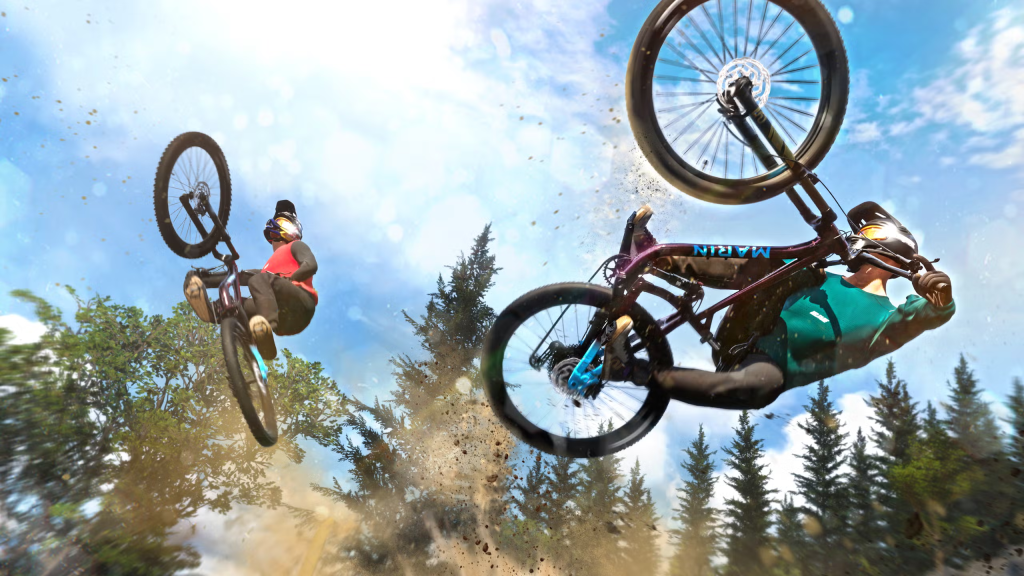
Customization is a major attraction in many mountain bike racing game titles. Players can personalize bike appearance, rider outfits, and performance characteristics. Cosmetic customization allows for unique visual styles, while functional upgrades improve speed, handling, braking, and suspension performance. These systems add strategic depth by enabling players to tailor equipment to specific racing conditions. Customization also increases player investment and encourages long-term engagement with the game. Well-designed progression systems ensure that upgrades feel rewarding and meaningful.
Environmental Design and Trail Variety
Environmental diversity plays a crucial role in the success of a mountain bike racing game. Developers create a wide range of trails that challenge different aspects of riding skill. Players may encounter dense forests, rocky mountain paths, desert landscapes, snowy terrain, and urban downhill courses. Each environment introduces unique obstacles and strategic considerations. Detailed environmental design enhances immersion and keeps gameplay fresh by preventing repetition. The best mountain bike games offer a variety of settings that encourage exploration and mastery.
Extreme Sports Influence on the Genre
The mountain bike racing game genre is heavily influenced by real-world extreme sports culture. Competitive downhill racing, freestyle riding, and endurance events inspire gameplay mechanics and event structures. Developers often collaborate with professional athletes to improve authenticity and accurately represent the sport. The inclusion of real-world equipment brands, riding techniques, and competition formats helps create a more realistic experience. This connection to actual mountain biking culture appeals to sports enthusiasts and adds credibility to the genre.
Top Mountain Bike Racing Games
Several titles have defined the modern mountain bike racing game market. Descenders is widely praised for its procedural trail generation and realistic physics. Riders Republic combines mountain biking with other extreme sports in a large open world. Lonely Mountains: Downhill offers a unique minimalist approach focused on exploration and precision riding. These games showcase different interpretations of mountain biking while demonstrating the genre’s versatility. Their success has helped introduce mountain bike gaming to broader audiences around the world.
Mobile Mountain Bike Racing Games
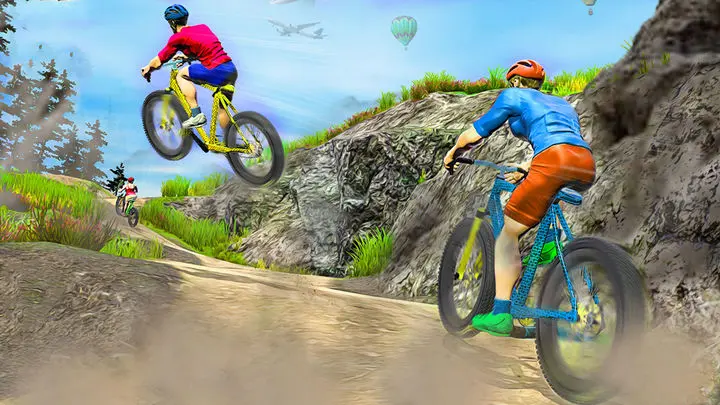
Mobile platforms have expanded access to the mountain bike racing game genre. Smartphones and tablets now support sophisticated cycling experiences with impressive graphics and responsive controls. Mobile games appeal to casual players seeking quick entertainment sessions while retaining core mountain biking mechanics. Features such as touch controls, online competitions, and progression systems help maintain engagement. The growth of mobile gaming has created new opportunities for developers and increased the overall popularity of mountain bike racing experiences.
Esports and Competitive Mountain Bike Gaming
Although smaller than traditional esports categories, competitive mountain bike racing game events continue gaining attention. Online tournaments and community competitions attract skilled players from around the world. Leaderboards and ranking systems encourage continuous improvement and foster healthy competition. As gaming communities expand, organized competitive events may become more prominent. Esports integration has the potential to increase visibility and create new opportunities for players and developers alike.
Sound Design and Immersion
Sound design significantly enhances the mountain bike racing game experience. Realistic audio effects such as tire traction, suspension movement, environmental ambience, and rider interactions contribute to immersion. Dynamic sound systems respond to terrain changes and gameplay actions, creating a more believable environment. High-quality audio complements visual realism and strengthens player engagement. Effective sound design helps transform virtual trails into convincing outdoor adventures.
Future Trends in Mountain Bike Racing Games
The future of the mountain bike racing game genre looks promising as technology continues evolving. Artificial intelligence, virtual reality, and advanced physics systems are expected to improve realism and gameplay depth. Cloud gaming services may increase accessibility by allowing players to enjoy high-quality experiences without expensive hardware. Developers are also exploring enhanced multiplayer features and larger open-world environments. These innovations will likely shape the next generation of mountain biking games.
Educational and Recreational Benefits
Beyond entertainment, the mountain bike racing game genre offers educational and recreational value. Players develop hand-eye coordination, strategic thinking, and decision-making skills while navigating complex environments. The games can also introduce users to mountain biking culture and inspire interest in outdoor activities. Virtual experiences provide a safe way to learn about trail navigation and bike handling concepts. These benefits contribute to the genre’s broad appeal across different age groups.
Why the Genre Continues to Grow
The continued growth of the mountain bike racing game market reflects increasing demand for realistic sports simulations and outdoor adventure experiences. Advances in technology enable developers to create more immersive and accessible games. The combination of competition, exploration, customization, and skill-based gameplay appeals to diverse audiences. As more players discover the genre, developers are likely to invest in innovative features and expanded content. This ongoing evolution ensures a bright future for mountain bike gaming.
Conclusion
The mountain bike racing game genre has evolved from simple sports simulations into highly immersive experiences that capture the excitement of off-road cycling. Through realistic physics, detailed environments, engaging progression systems, and competitive multiplayer modes, these games provide entertainment for both cycling enthusiasts and casual players. Titles such as Descenders, Riders Republic, and Lonely Mountains: Downhill demonstrate the genre’s versatility and creative potential. As technology continues advancing, mountain bike racing games are expected to become even more realistic and engaging, securing their place within the broader gaming industry.
FAQs
1. What is a mountain bike racing game?
A mountain bike racing game is a cycling simulation that focuses on off-road racing, trail navigation, and skill-based riding.
2. Which is the most popular mountain bike racing game?
Popular titles include Descenders, Riders Republic, and Lonely Mountains: Downhill.
3. Are mountain bike racing games realistic?
Many modern games feature realistic physics, bike handling, and environmental interactions.
4. Can I play mountain bike racing games online?
Yes, many titles offer multiplayer modes and online competitions.
5. Are there mountain bike games for mobile devices?
Yes, several mountain bike racing games are available on Android and iOS platforms.
6. Do mountain bike games include customization?
Most modern games offer bike upgrades, cosmetic customization, and rider personalization.
7. What is the future of mountain bike racing games?
Future developments may include virtual reality, AI-enhanced gameplay, and larger open-world experiences.