
Introduction
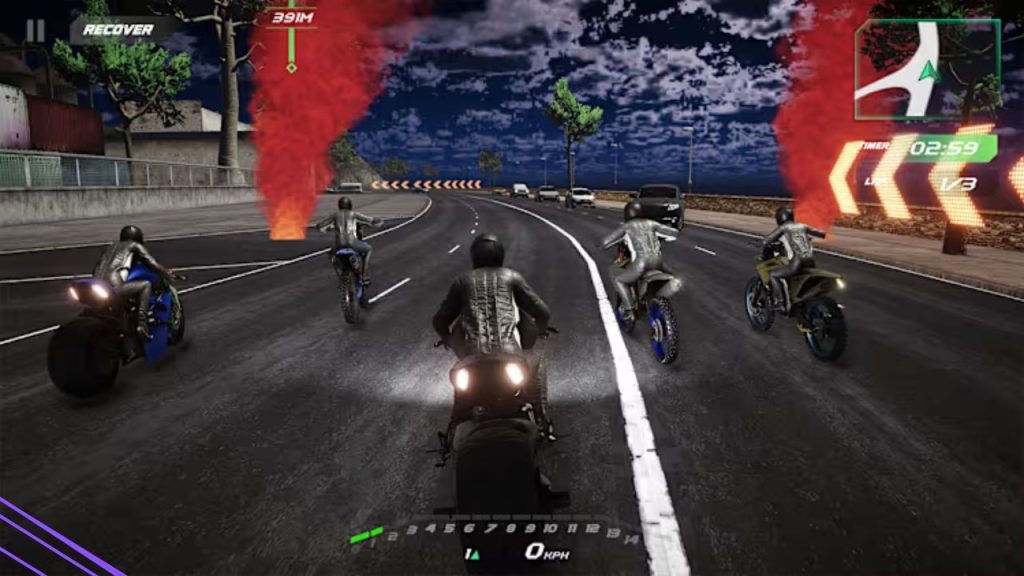
The street bike racing game genre has become one of the most exciting categories in modern gaming, offering players the thrill of high-speed motorcycle racing through city streets, highways, and urban environments. Combining realistic bike physics, intense competition, and detailed customization systems, these games appeal to both motorcycle enthusiasts and casual gamers. Over the years, advances in graphics technology, artificial intelligence, and multiplayer connectivity have transformed the street bike racing experience into an immersive digital sport. Today, a street bike racing game can provide realistic riding mechanics, competitive online racing, and extensive bike upgrades, making it one of the most popular racing game genres worldwide.
The Origins of Street Bike Racing Games
The history of the street bike racing game genre began during the early years of racing video games when developers sought alternatives to traditional car racing titles. Early motorcycle games featured simple graphics and limited controls, but they introduced players to the excitement of two-wheel racing. As gaming hardware evolved throughout the 1990s and 2000s, developers created more sophisticated motorcycle experiences with improved physics, detailed tracks, and realistic riding mechanics. These innovations helped establish motorcycle racing as a distinct genre. The popularity of street racing culture further inspired developers to create games that focused specifically on urban motorcycle competition and customization.
Understanding the Street Bike Racing Game Genre
A street bike racing game focuses on motorcycle racing in urban environments, often emphasizing speed, skill, and competitive gameplay. Unlike motocross or off-road motorcycle games, street racing titles feature paved roads, city traffic, highways, and professional racing circuits. Players must navigate challenging courses while managing acceleration, braking, cornering, and overtaking strategies. Many games combine arcade-style excitement with realistic simulation elements, allowing players to choose their preferred level of challenge. The genre continues to evolve by incorporating modern technology and innovative gameplay mechanics that enhance immersion and realism.
Why Street Bike Racing Games Are Popular
The popularity of the street bike racing game genre stems from its combination of speed, adrenaline, and accessibility. Motorcycle racing creates a unique sense of excitement because riders experience the environment more directly than drivers in traditional racing games. Players enjoy the challenge of mastering high-speed turns, avoiding obstacles, and competing against skilled opponents. The ability to customize bikes and improve performance further increases engagement. Modern graphics and realistic sound effects contribute to the immersive experience, making street bike racing games attractive to a wide audience of racing enthusiasts and casual players.
Evolution of Graphics and Visual Realism
Visual technology has significantly improved the quality of the street bike racing game experience. Early titles relied on basic graphics and limited environmental detail, while modern games feature realistic motorcycle models, advanced lighting systems, and highly detailed city environments. Technologies such as ray tracing, dynamic weather systems, and high-resolution textures create more immersive racing experiences. Developers use motion capture and sophisticated animation techniques to accurately represent rider movements and motorcycle behavior. These visual improvements enhance realism and help players feel fully engaged in the racing environment.
Realistic Motorcycle Physics
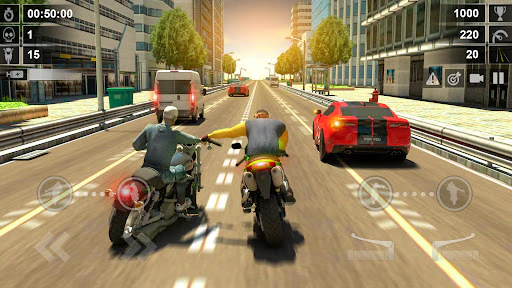
Physics simulation is one of the most important elements of a successful street bike racing game. Unlike car racing games, motorcycle simulations must accurately model balance, leaning, acceleration, and braking dynamics. Advanced physics engines calculate how motorcycles respond to rider inputs, road conditions, and environmental factors. Realistic handling creates a deeper gameplay experience by rewarding skill and precision. Players must learn proper cornering techniques and bike control strategies to succeed. Accurate physics systems contribute significantly to immersion and distinguish high-quality motorcycle racing games from simpler arcade experiences.
Career Mode and Progression Systems
Many street bike racing game titles feature extensive career modes that provide structure and long-term goals. Players often begin as amateur riders and gradually build their reputations by winning races and earning rewards. Career progression may include sponsorship deals, bike upgrades, championship competitions, and access to new locations. These systems create a sense of achievement and encourage continued engagement. By combining competitive racing with character and equipment development, career modes offer a rewarding gameplay experience that extends beyond individual races.
Bike Customization and Personalization
Customization is a major attraction in the street bike racing game genre. Players can modify motorcycle appearance, performance, and handling characteristics to suit their preferences. Cosmetic options may include paint schemes, decals, body kits, and rider gear, while performance upgrades improve speed, acceleration, braking, and stability. Customization allows players to create unique racing machines and express their individual style. The ability to experiment with different configurations adds depth and replay value to the overall experience.
Multiplayer Racing and Online Competition
Online multiplayer functionality has become a core feature of the modern street bike racing game market. Players can compete against friends or racers from around the world in real-time events. Multiplayer modes often include ranked races, tournaments, leaderboards, and seasonal competitions. These features foster community engagement and encourage skill development. The social aspect of online racing adds excitement and provides ongoing challenges that keep players returning to the game. Competitive multiplayer experiences continue driving growth within the genre.
Open-World Street Bike Racing Experiences
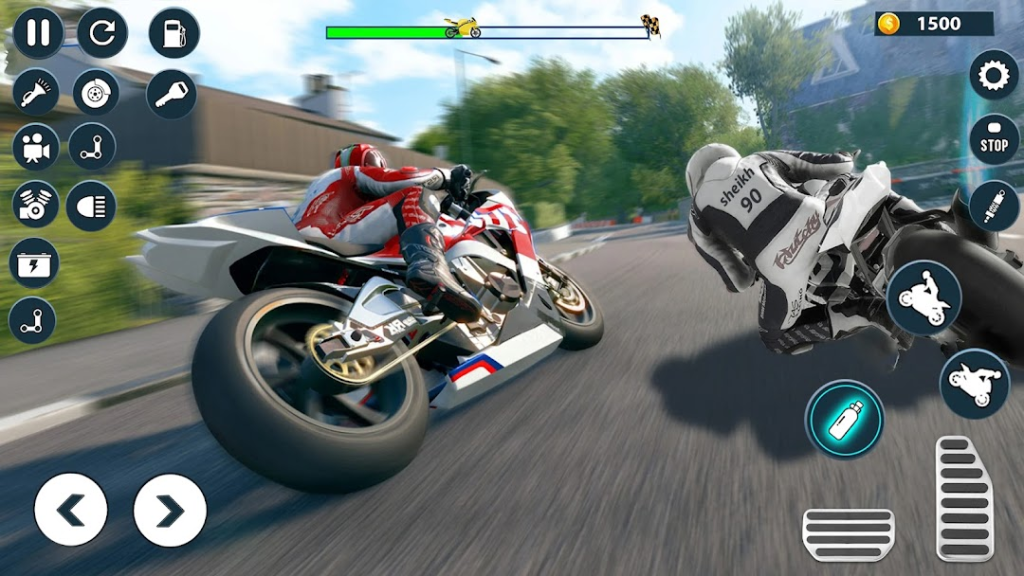
Some modern street bike racing game titles feature open-world environments that allow players to explore cities and road networks freely. Open-world design creates opportunities for exploration, side activities, and spontaneous racing events. Games such as The Crew Motorfest and certain motorcycle-focused expansions demonstrate the appeal of combining racing with open-world gameplay. Players can discover hidden routes, participate in challenges, and enjoy the freedom of riding without strict race structures. This approach expands the variety of experiences available within the genre.
Street Racing Culture and Gaming Influence
The street bike racing game genre draws significant inspiration from real-world motorcycle culture. Custom bikes, urban racing scenes, and performance tuning communities influence game design and aesthetics. Developers often incorporate authentic motorcycle brands, realistic modifications, and culturally inspired environments. This connection to actual motorcycle culture enhances authenticity and appeals to enthusiasts. The influence of street racing culture has helped shape the identity of the genre and contributed to its global popularity.
Top Street Bike Racing Games
Several titles have defined the modern street bike racing game landscape. Ride 5 is known for its realistic simulation mechanics and extensive motorcycle selection. MotoGP 25 offers official championship racing with professional riders and tracks. TT Isle of Man: Ride on the Edge delivers intense road-racing action inspired by the famous event. These games showcase different approaches to motorcycle racing while highlighting the genre’s diversity and depth. Their success demonstrates the continued demand for high-quality motorcycle gaming experiences.
Mobile Street Bike Racing Games
Mobile platforms have expanded access to the street bike racing game genre. Smartphones and tablets now support visually impressive motorcycle racing experiences with intuitive touch controls. Mobile titles often focus on quick gameplay sessions, progression systems, and online competition. Their accessibility allows players to enjoy motorcycle racing without requiring dedicated gaming hardware. The growing popularity of mobile gaming has introduced the genre to new audiences and created additional opportunities for developers.
Artificial Intelligence in Racing Games
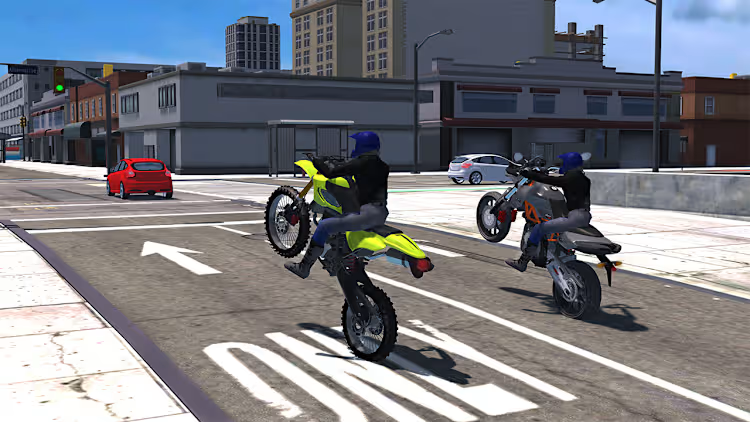
Artificial intelligence plays a critical role in modern street bike racing game design. AI-controlled opponents provide competition in single-player modes and help create dynamic racing environments. Advanced AI systems adapt to player behavior, make strategic decisions, and simulate realistic racing techniques. Improvements in machine learning and behavioral modeling continue enhancing opponent realism. Effective AI contributes to a more engaging and challenging experience for players of all skill levels.
Sound Design and Racing Immersion
Sound design significantly influences the overall quality of a street bike racing game. Authentic engine sounds, tire noise, environmental effects, and crowd reactions enhance immersion and realism. Developers often record audio from real motorcycles to ensure accurate reproduction of engine characteristics. Dynamic sound systems respond to speed, terrain, and rider actions, creating a convincing racing atmosphere. High-quality audio complements visual realism and strengthens player engagement throughout the racing experience.
Esports and Competitive Motorcycle Gaming
Competitive gaming continues expanding within the street bike racing game community. Online tournaments, esports events, and ranked competitions provide opportunities for skilled players to showcase their abilities. Organized events attract dedicated audiences and encourage continuous improvement among participants. As the esports industry grows, motorcycle racing games may gain greater visibility and professional opportunities. Competitive gaming helps build active communities and supports the long-term success of the genre.
Future Trends in Street Bike Racing Games
The future of the street bike racing game genre looks promising thanks to ongoing technological advancements. Developers are exploring artificial intelligence, virtual reality, cloud gaming, and advanced physics systems to create more immersive experiences. Improved networking technology will enhance multiplayer performance and support larger online communities. Future titles may feature more realistic weather systems, adaptive AI opponents, and expanded customization options. These innovations will likely redefine player expectations and drive continued growth within the genre.
Educational and Recreational Value
Beyond entertainment, the street bike racing game genre offers educational benefits related to reaction time, decision-making, and strategic thinking. Players develop coordination and problem-solving skills while learning about motorcycle mechanics and racing principles. Although virtual racing cannot replace real-world riding experience, it can introduce players to key concepts and encourage interest in motorsports. These educational elements contribute to the genre’s broad appeal and long-term relevance.
Why the Genre Continues to Grow
The ongoing growth of the street bike racing game market reflects increasing demand for immersive racing experiences. Technological improvements allow developers to create more realistic simulations while maintaining accessibility for casual players. The combination of speed, customization, competition, and social interaction continues attracting diverse audiences. As gaming technology evolves, the genre is expected to expand further through innovation and enhanced player experiences.
Conclusion
The street bike racing game genre has evolved into a sophisticated and exciting segment of the gaming industry. Through realistic motorcycle physics, detailed customization systems, competitive multiplayer modes, and immersive environments, these games capture the thrill of high-speed racing. Titles such as Ride 5, MotoGP 25, and TT Isle of Man: Ride on the Edge demonstrate the genre’s diversity and technical achievements. As developers continue embracing new technologies and creative ideas, the future of street bike racing games remains bright. Players can expect increasingly realistic and engaging experiences that push the boundaries of motorcycle gaming.
FAQs
1. What is a street bike racing game?
A street bike racing game is a motorcycle racing video game focused on urban roads, highways, and competitive racing environments.
2. Which is the best street bike racing game?
Popular options include Ride 5, MotoGP 25, and TT Isle of Man: Ride on the Edge.
3. Are street bike racing games realistic?
Many modern titles feature realistic motorcycle physics, detailed graphics, and authentic riding mechanics.
4. Can I play street bike racing games online?
Yes, most modern games offer multiplayer modes, tournaments, and online leaderboards.
5. Are there mobile street bike racing games?
Yes, several motorcycle racing games are available for Android and iOS devices.
6. Do these games include bike customization?
Most street bike racing games offer extensive customization and performance upgrades.
7. What is the future of street bike racing games?
Future developments may include virtual reality, advanced AI, cloud gaming, and improved simulation technology.