
Introduction
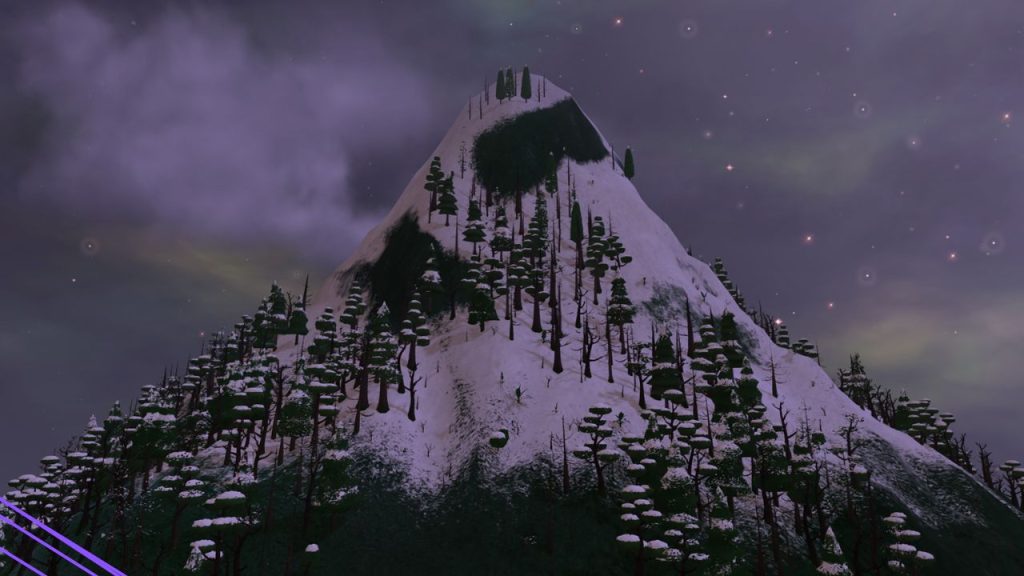
The mountain game genre has become an increasingly popular category in modern gaming, offering players the opportunity to explore breathtaking landscapes, conquer challenging terrain, and experience outdoor adventures from the comfort of their homes. Unlike traditional action or racing games, mountain-themed games often focus on exploration, survival, climbing, skiing, biking, and environmental storytelling. Advances in gaming technology have enabled developers to create realistic mountain environments filled with dynamic weather, detailed ecosystems, and immersive gameplay systems. Today, the mountain game category appeals to adventure seekers, sports enthusiasts, and casual gamers alike, providing unique experiences that celebrate the beauty and challenge of mountainous environments.
The Origins of Mountain Games
The history of the mountain game genre can be traced back to early adventure and sports titles that incorporated mountainous settings into their gameplay. During the early years of video gaming, hardware limitations restricted environmental detail, but developers still recognized the appeal of mountain landscapes. As graphics technology improved throughout the 1990s and 2000s, games began featuring larger maps, realistic terrain, and more complex environmental interactions. Mountain settings evolved from simple backgrounds into core gameplay elements. This shift laid the foundation for modern mountain games that emphasize exploration, survival, and adventure across expansive alpine regions.
What Is a Mountain Game?
A mountain game is a video game that focuses on mountainous environments as a primary gameplay setting. These games may include activities such as hiking, climbing, skiing, snowboarding, mountain biking, exploration, or survival. The defining feature is the central role that mountain landscapes play in shaping gameplay experiences. Some mountain games emphasize realistic simulation, while others adopt fantasy or adventure themes. Regardless of style, these games often challenge players to navigate difficult terrain, adapt to changing weather conditions, and overcome environmental obstacles. Their unique settings distinguish them from other gaming genres and create memorable experiences.
Why Mountain Games Are Popular
The popularity of the mountain game genre stems from its ability to combine adventure, challenge, and natural beauty. Many players enjoy exploring expansive virtual environments that capture the majesty of real-world mountain ranges. Mountain games often provide a sense of freedom and discovery that appeals to a wide audience. The combination of environmental storytelling, physical challenges, and immersive visuals creates engaging gameplay experiences. Additionally, mountain-themed games offer an opportunity to experience outdoor activities virtually, making them attractive to players who appreciate nature and adventure.
Evolution of Mountain-Themed Gaming
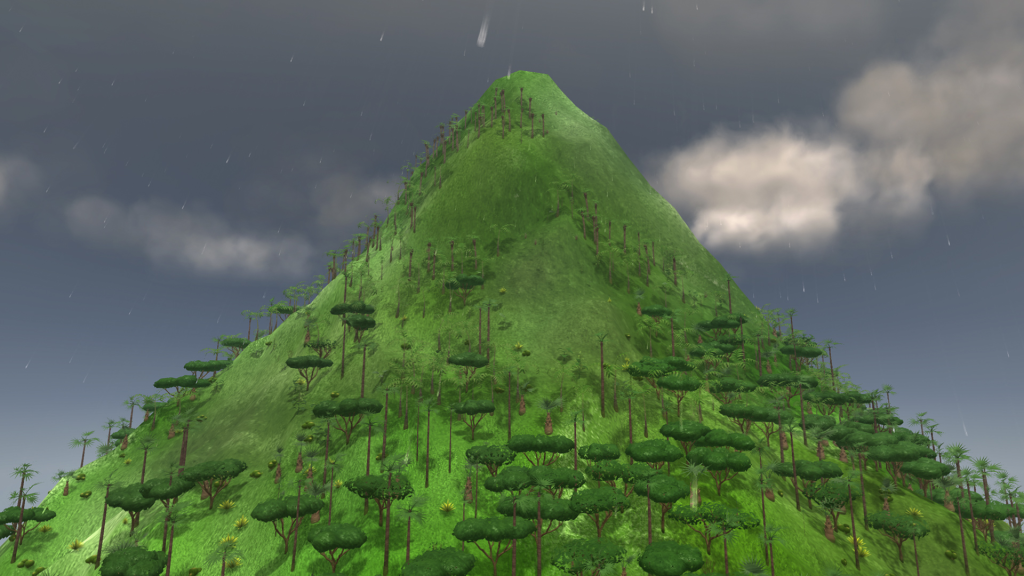
The evolution of the mountain game genre reflects broader advancements in gaming technology. Early titles relied on simple visuals and limited mechanics, while modern games feature highly detailed environments and sophisticated gameplay systems. Improvements in graphics processing, artificial intelligence, and physics simulation have enabled developers to create realistic mountain ecosystems and weather conditions. These innovations enhance immersion and allow players to experience more authentic outdoor adventures. The genre continues evolving as new technologies expand the possibilities of virtual exploration and environmental interaction.
Realistic Mountain Environments
One of the defining characteristics of a successful mountain game is the creation of realistic mountain environments. Developers use advanced terrain-generation tools, photogrammetry, and environmental modeling techniques to build convincing landscapes. Snow-covered peaks, rocky cliffs, dense forests, and winding trails contribute to immersion and exploration. Dynamic weather systems further enhance realism by introducing changing conditions that affect gameplay. These environmental details help players feel connected to the virtual world and create memorable adventure experiences.
Exploration as a Core Gameplay Element
Exploration plays a central role in many mountain game experiences. Unlike linear action games, mountain titles often encourage players to discover hidden paths, scenic viewpoints, and environmental secrets. Open-world design allows users to navigate landscapes at their own pace and create unique adventures. Exploration mechanics reward curiosity and provide a sense of accomplishment. This emphasis on discovery distinguishes mountain games from many other genres and contributes significantly to their appeal.
Survival Mechanics in Mountain Games
Many modern mountain game titles incorporate survival mechanics that add depth and realism. Players may need to manage resources such as food, water, shelter, and equipment while navigating harsh environments. Weather conditions, altitude, and temperature can influence gameplay decisions and increase difficulty. Survival systems encourage strategic thinking and careful planning, making exploration more meaningful. By simulating real-world challenges, developers create immersive experiences that capture the dangers and rewards of mountain adventures.

Mountain Climbing and Adventure Experiences
Mountain climbing is a common theme within the mountain game genre. Games focused on climbing challenge players to scale cliffs, manage stamina, and navigate difficult routes. These mechanics create tension and excitement while emphasizing skill and perseverance. Some titles adopt realistic climbing simulations, while others integrate climbing into broader adventure narratives. The popularity of climbing-based gameplay reflects growing interest in outdoor recreation and adventure sports.
Sports-Based Mountain Games
The mountain game category includes numerous sports-focused titles featuring skiing, snowboarding, and mountain biking. These games emphasize speed, precision, and technical skill while taking advantage of dramatic alpine environments. Popular titles often combine realistic physics with accessible controls, creating enjoyable experiences for players of all skill levels. Sports-based mountain games appeal to enthusiasts who enjoy competitive gameplay and outdoor recreation themes.
Open-World Mountain Adventures
Open-world design has become increasingly important in the mountain game genre. Large environments provide players with opportunities to explore freely and engage in a variety of activities. Games such as Steep and Riders Republic showcase the potential of expansive mountain settings. Open-world structures support exploration, customization, and player-driven storytelling. This flexibility enhances replay value and encourages long-term engagement.
Visual Design and Environmental Storytelling
Visual design is a key component of any successful mountain game. Developers use landscapes, weather effects, and environmental details to tell stories without relying solely on dialogue. Mountain settings naturally evoke feelings of isolation, wonder, and discovery. Effective environmental storytelling encourages players to interpret the world around them and uncover hidden narratives through exploration. This approach creates richer and more immersive experiences.
Artificial Intelligence in Mountain Games
Artificial intelligence contributes significantly to modern mountain game experiences. AI systems control wildlife, environmental events, and non-player characters, making virtual worlds feel more alive. Intelligent behavior enhances realism and creates dynamic interactions that keep gameplay fresh. As AI technology advances, developers can create increasingly responsive and believable mountain environments.
Multiplayer Features and Social Exploration
Many contemporary mountain game titles include multiplayer functionality that allows players to explore and compete together. Cooperative gameplay encourages teamwork during challenging adventures, while competitive modes add excitement and replay value. Online communities often share strategies, discoveries, and achievements, strengthening player engagement. Social features have become an important part of the genre’s continued growth.
Sound Design and Immersion
Audio design plays a vital role in the success of a mountain game. Ambient sounds such as wind, wildlife, flowing water, and distant avalanches contribute to realism and immersion. Dynamic sound systems respond to environmental changes and player actions, creating a convincing outdoor atmosphere. High-quality audio complements visual design and enhances emotional engagement with the game world.
Popular Mountain Games
Several titles have become iconic within the mountain game category. Steep, Riders Republic, The Climb, and Lonely Mountains: Downhill each offer unique interpretations of mountain exploration and sports gameplay. These games demonstrate the genre’s diversity and highlight different approaches to adventure, competition, and environmental immersion. Their success has helped expand interest in mountain-themed gaming experiences worldwide.
Virtual Reality and Mountain Gaming
Virtual reality technology has introduced new possibilities for the mountain game genre. VR allows players to experience climbing, hiking, and exploration from a first-person perspective, increasing immersion and realism. Games designed for VR can create powerful emotional responses by placing players directly within breathtaking alpine environments. As VR hardware continues improving, mountain gaming experiences are expected to become even more engaging.
Future Trends in Mountain Games
The future of the mountain game genre appears promising due to ongoing advancements in graphics, AI, and simulation technology. Developers are exploring larger open worlds, more realistic weather systems, and enhanced environmental interactions. Cloud gaming services may improve accessibility by reducing hardware requirements. These innovations will likely expand the audience for mountain-themed games and create new opportunities for immersive outdoor adventures.
Educational and Recreational Benefits
Mountain games offer benefits beyond entertainment. Players can develop problem-solving skills, spatial awareness, and strategic thinking while navigating challenging environments. These games may also inspire interest in outdoor recreation, geography, and environmental conservation. Educational value combined with engaging gameplay contributes to the genre’s enduring appeal among players of all ages.
Why Mountain Games Continue to Grow
The continued growth of the mountain game genre reflects increasing demand for immersive and exploration-focused experiences. Players appreciate the opportunity to escape into beautiful virtual landscapes and undertake meaningful adventures. Advances in technology continue enhancing realism and accessibility, attracting new audiences. The genre’s versatility ensures its relevance within the evolving gaming industry.
Conclusion
The mountain game genre has evolved into a diverse and engaging category that combines exploration, adventure, sports, and survival elements within stunning natural environments. Through realistic landscapes, immersive gameplay systems, and innovative technologies, mountain-themed games provide memorable experiences for players around the world. Titles such as Steep, Riders Republic, and The Climb demonstrate the genre’s potential and continuing appeal. As gaming technology advances, mountain games are likely to become even more realistic, interactive, and accessible, ensuring a bright future for virtual outdoor adventures.
FAQs
1. What is a mountain game?
A mountain game is a video game that focuses on mountain environments and activities such as exploration, climbing, skiing, or survival.
2. Which are the most popular mountain games?
Popular titles include Steep, Riders Republic, The Climb, and Lonely Mountains: Downhill.
3. Are mountain games realistic?
Many modern mountain games feature realistic environments, weather systems, and physics-based gameplay.
4. Can mountain games be played online?
Yes, several mountain games include multiplayer and cooperative exploration features.
5. Are there mountain games in virtual reality?
Yes, VR titles such as The Climb provide immersive mountain-climbing experiences.
6. Do mountain games include survival mechanics?
Some mountain games feature survival systems involving weather, resources, and environmental challenges.
7. What is the future of mountain games?
Future developments may include improved AI, larger open worlds, virtual reality, and advanced simulation technology.