
Introduction
Backyard landscaping ideas can turn an ordinary outdoor area into a comfortable, attractive, and useful extension of your home. A well-planned backyard can provide space for relaxing, entertaining guests, growing plants, playing with children, or simply enjoying fresh air. The best design does not always require a large budget or a huge yard. Instead, successful landscaping starts with understanding your space, climate, soil, sunlight, and lifestyle. The U.S. Environmental Protection Agency recommends considering local climate, soil conditions, plant choices, water needs, and maintenance before creating a landscape. Whether your yard is large, narrow, shaded, sunny, modern, or traditional, thoughtful planning can make every part of it more functional.
Plan Your Backyard Before You Start
Before exploring specific backyard landscaping ideas, take time to understand the space you already have. Measure the yard and identify existing trees, fences, buildings, drainage areas, utility lines, and sunny or shaded sections. Think about how you want to use the space throughout the year. A family may need an open lawn, while someone who enjoys entertaining may prefer a patio and outdoor dining area. Gardeners may want raised beds or planting borders. The EPA also recommends considering site conditions and maintenance needs when planning a water-smart landscape. A simple sketch can help you divide the yard into zones before purchasing plants, furniture, lighting, paving materials, or decorative features.
Create a Functional Backyard Layout
A functional layout makes backyard landscaping ideas easier to enjoy because every area has a clear purpose. Consider dividing the yard into several connected zones instead of filling the entire space with plants. One section can hold a patio, another can contain a lawn, and another can become a garden or quiet seating area. Curved pathways can guide people naturally through the space, while planting beds can create visual separation. Keep frequently used areas close to the house and place quieter features farther away. The layout should also leave enough room for maintenance. Good landscape planning considers access, drainage, plant growth, sunlight, and long-term upkeep rather than focusing only on appearance.
Backyard Landscaping Ideas for Small Spaces
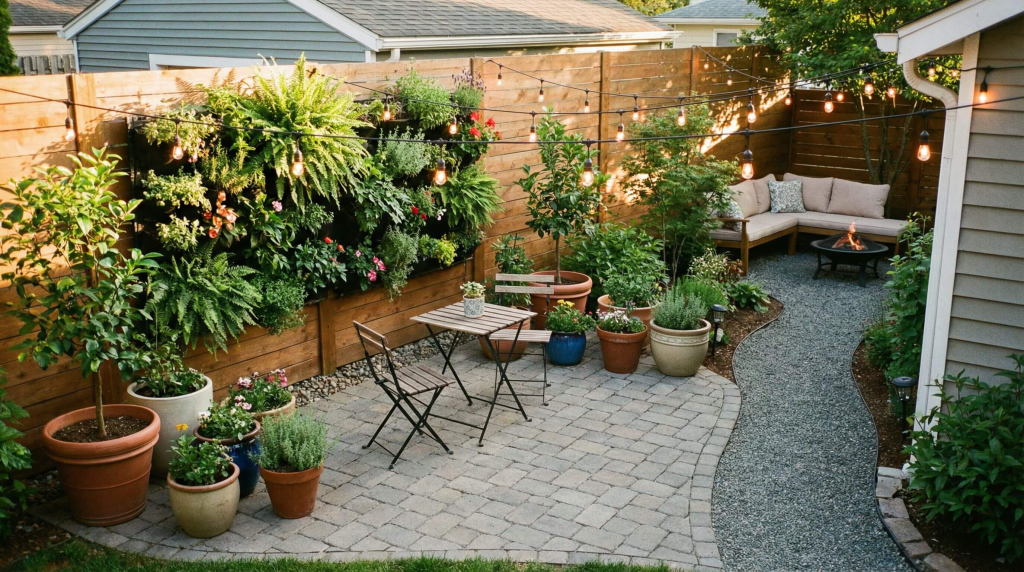
Small yards can still look impressive when every feature serves a purpose. One of the most useful backyard landscaping ideas for limited spaces involves using vertical elements. Wall planters, trellises, climbing plants, narrow garden beds, and hanging containers can add greenery without consuming valuable floor space. Light-colored paving can make a compact area feel more open, while built-in seating can eliminate the need for bulky furniture. A small patio surrounded by carefully selected plants can become a comfortable outdoor room. Avoid overcrowding the yard with too many decorative objects. A simple design with clear pathways, a few strong focal points, and appropriately sized plants usually creates a more spacious and organized appearance.
Design a Comfortable Backyard Patio
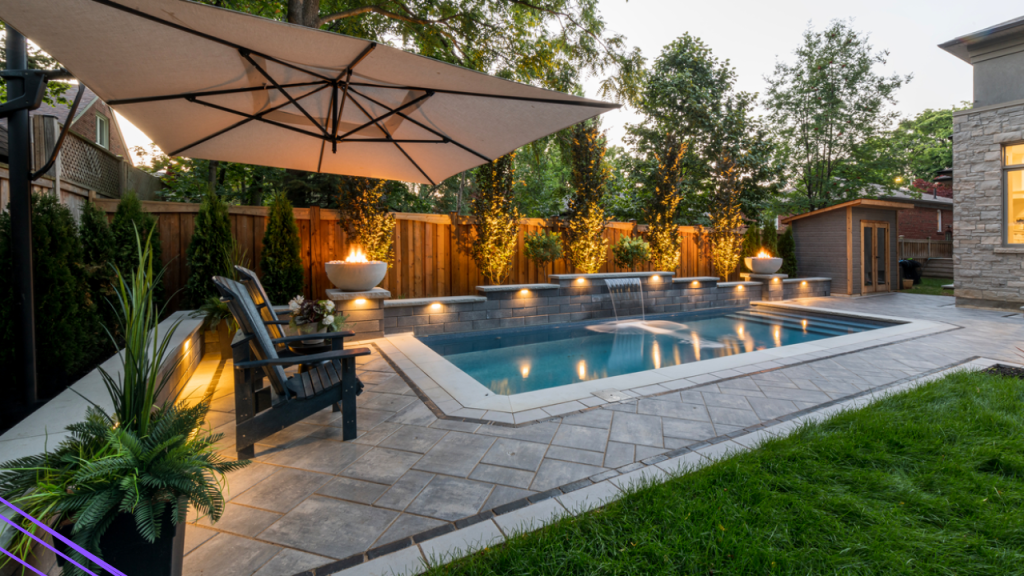
A patio can become the social center of a backyard. Depending on the available space, homeowners can use concrete, natural stone, brick, gravel, or pavers to create the foundation. Comfortable seating, a dining table, outdoor cushions, and shade can make the area useful for longer periods. When considering backyard landscaping ideas, connect the patio visually with surrounding plants instead of treating it as a separate structure. Low shrubs can soften hard edges, while containers can add seasonal color. Permeable paving can also support better stormwater management because water can infiltrate the ground instead of immediately running across hard surfaces. Always check local requirements before major construction.
Choose Plants for Beauty and Performance
Plant selection is one of the most important parts of successful landscaping. Instead of choosing plants only because they look attractive at a garden center, consider whether they match your local soil, temperature, sunlight, rainfall, and available space. The EPA recommends choosing regionally appropriate plants and grouping plants with similar water requirements into hydrozones. This approach can make maintenance easier and reduce unnecessary watering. Use a mixture of trees, shrubs, ornamental grasses, flowers, and ground covers to create different heights and textures. Before planting, research the mature size of every species. A plant that looks small today may become much larger and eventually crowd pathways, windows, fences, or neighboring plants.
Use Native Plants in Your Landscape
Native plants are increasingly important in modern backyard landscaping ideas because they can support local ecosystems while creating attractive garden spaces. Native plants have developed alongside the climate, soil, insects, and wildlife of their natural region. Penn State Extension notes that native plants can support pollinators, biodiversity, and sustainable gardening practices. Native plants do not automatically mean a completely wild-looking yard. They can work beautifully in formal borders, contemporary gardens, cottage-style landscapes, and naturalistic designs. Choose species recommended by local horticultural experts or extension services. Avoid assuming that every non-native plant is harmful, but research unfamiliar species carefully because some exotic plants can become invasive or demand more resources.
Build a Practical Lawn and Garden Balance
A lawn can still play an important role in modern backyard design. It offers an open surface for children, pets, outdoor games, and casual activities. However, covering every available area with grass may create unnecessary maintenance. One of the smarter backyard landscaping ideas is to place lawn only where it provides a practical function and surround it with planting beds, paths, trees, or seating areas. The EPA explains that properly selected and managed turfgrass can remain part of a water-smart landscape. Choose grass suitable for your regional climate and avoid cutting it unnecessarily short. Combining functional lawn areas with lower-maintenance planting zones can create a balanced yard.
Add Privacy With Trees, Shrubs, and Screens
Privacy can completely change how comfortable a backyard feels. Instead of relying only on tall fences, consider combining several natural and architectural elements. Evergreen shrubs can create year-round screening, while trees can provide height and shade. Trellises with suitable climbing plants can soften fences and walls. Decorative screens can also divide seating areas without blocking the entire yard. Among useful backyard landscaping ideas, layered privacy planting often looks more natural than a single row of identical plants. Remember to check mature plant sizes before installation. Plants placed too close together may eventually compete for water and sunlight. Privacy designs should also consider airflow, maintenance access, neighboring properties, and local regulations.
Create Attractive Garden Paths
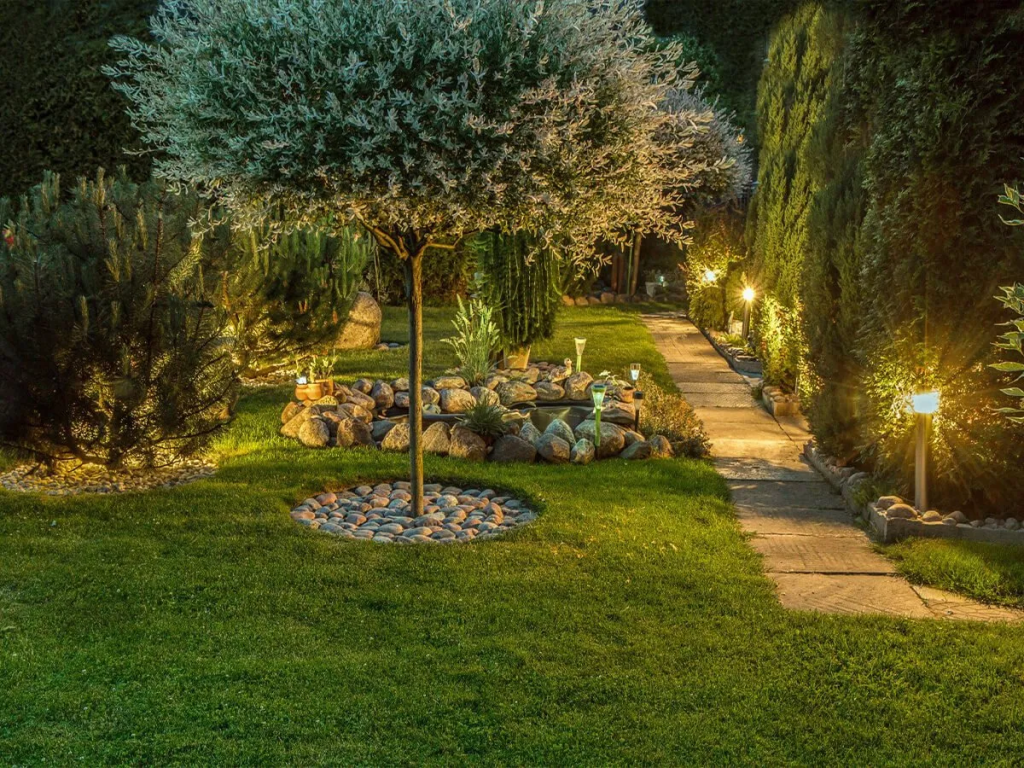
Garden paths add both beauty and function to a backyard. They guide visitors between important areas while protecting planting beds from unnecessary foot traffic. Depending on the design style, homeowners can choose stepping stones, gravel, brick, concrete, wood, or pavers. A straight path can support a modern landscape, while gently curved paths can create a softer garden atmosphere. When developing backyard landscaping ideas, make sure paths connect useful destinations rather than existing only for decoration. Path width should match its purpose and expected traffic. Permeable materials can also help manage rainwater by allowing some water to enter the soil. Good paths should remain stable, easy to walk on, and simple to maintain.
Add a Fire Pit or Outdoor Gathering Area
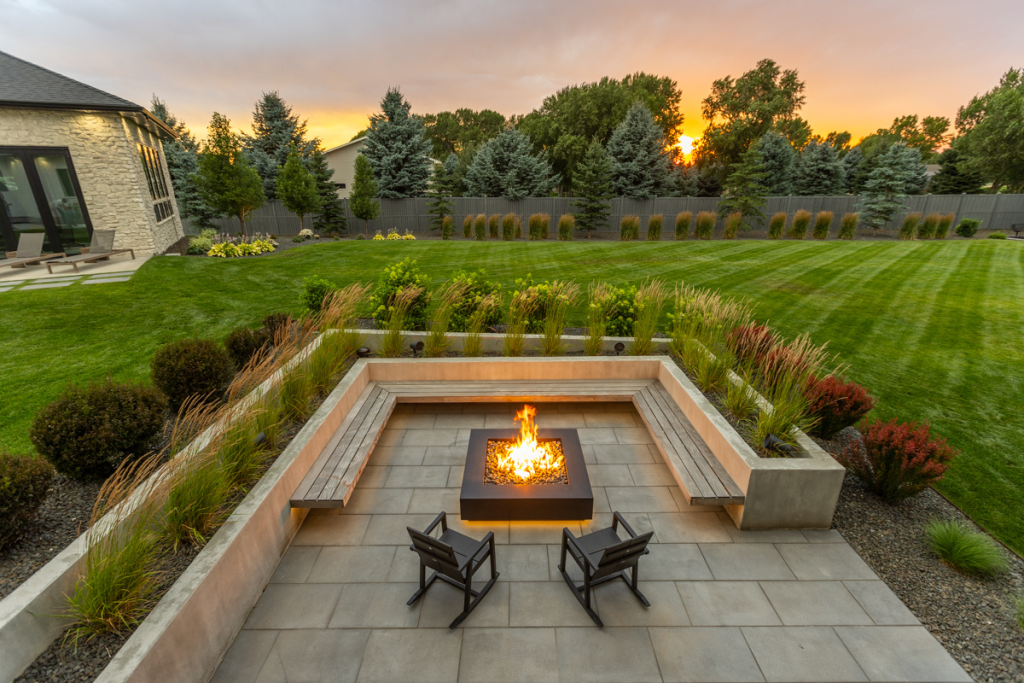
A fire pit can create a strong focal point and extend the use of a backyard into cooler evenings. It can sit within a dedicated seating circle, beside a patio, or in a separate entertainment zone. Stone, brick, gravel, and concrete can provide practical surfaces around the feature. Safety should always come before appearance. Keep fire features away from structures, low branches, combustible materials, and areas where children or pets may easily reach them. Check local fire regulations before installation. Among popular backyard landscaping ideas, fire-pit areas work especially well when surrounded by comfortable seating and low-maintenance planting. However, the feature should remain proportional to the yard rather than dominating the entire outdoor space.
Improve the Yard With Outdoor Lighting
Outdoor lighting can make a landscaped yard more attractive after sunset while improving visibility around paths, steps, entrances, and seating areas. Rather than using extremely bright lights everywhere, focus on strategic placement. Path lights can mark walking routes, uplights can highlight trees, and soft fixtures can make patios more welcoming. Solar-powered options may work well in sunny locations, while low-voltage systems offer more consistent performance in suitable installations. The EPA identifies energy-efficient and solar-powered lighting among greener landscaping considerations. When reviewing backyard landscaping ideas, think about lighting as part of the overall design. Avoid excessive brightness that creates glare or disturbs neighboring properties.
Try Vertical and Container Gardening
Vertical gardening offers a flexible solution for homeowners who want more plants without expanding the garden footprint. Trellises, wall-mounted planters, hanging baskets, raised containers, and tiered stands can introduce flowers, herbs, vegetables, and decorative foliage. Container gardening also makes it easier to change the appearance of a yard from season to season. Choose containers with adequate drainage and match them to the mature size of the plants. Group containers with similar watering requirements to simplify maintenance. These backyard landscaping ideas work particularly well for patios, balconies connected to yards, narrow spaces, and rental properties. Vertical structures can also create privacy or divide different outdoor zones while adding height and visual interest.
Add Water-Smart Landscaping Features
Water-smart design can make a landscape more resilient and easier to maintain. Rain gardens, appropriate ground covers, mulch, efficient irrigation, permeable surfaces, and climate-suitable plants can all contribute to better water management. The EPA recommends healthy soil, suitable plants, mulch, and irrigation practices as important elements of water-smart landscaping. A rain garden can collect and absorb some runoff while adding attractive vegetation. Grouping plants according to similar water needs can prevent some areas from receiving too much or too little water. These backyard landscaping ideas are especially useful in regions where rainfall is limited or unpredictable, but water management remains valuable in many climates.
Choose Low-Maintenance Landscaping Ideas
Not everyone wants to spend every weekend mowing, pruning, weeding, and watering. Low-maintenance landscaping focuses on selecting plants and materials that match the available time and local conditions. Native or climate-adapted plants, mulch, appropriately sized planting beds, efficient irrigation, and practical hardscaping can reduce routine work. The EPA notes that selecting plants suited to local climate and soil can reduce watering, weeding, and replacement needs. When comparing backyard landscaping ideas, think beyond the first day of installation. Ask how large each plant will become, how often it needs pruning, whether it attracts unwanted pests, and whether irrigation will remain necessary after establishment.
Create Budget-Friendly Backyard Improvements
Beautiful landscaping does not always require a major renovation. Homeowners can improve a backyard gradually by completing one project at a time. Start with affordable changes such as fresh mulch, reorganized planting beds, container gardens, simple pathways, or outdoor seating. Reusing suitable stones, containers, wood, or existing materials can also reduce expenses. Prioritize features that provide the greatest daily value. For example, a small seating area may be more useful than an expensive decorative structure. Among practical backyard landscaping ideas, phased improvements allow homeowners to learn what works before investing more money. Create a basic budget that includes plants, soil, materials, tools, delivery, installation, irrigation, and future maintenance.
Make the Landscape Work Across Seasons
A successful backyard should not look attractive for only a few weeks each year. Combine plants and features that provide interest during different seasons. Spring flowers can introduce early color, summer plants can provide fullness, and autumn foliage can create strong seasonal displays. Evergreen plants and interesting bark can maintain structure during winter in suitable climates. Outdoor furniture, lighting, decorative containers, and architectural elements can also contribute year-round visual interest. When selecting backyard landscaping ideas, consider how every plant will look when it is not flowering. Evergreen shrubs can provide structure, while ornamental grasses and trees can add movement and texture. Choose plants according to your local growing conditions rather than copying a design from another climate.
Conclusion
The best backyard landscaping ideas combine appearance, comfort, function, and long-term practicality. A successful yard does not need to follow one trend or contain expensive materials. It needs to reflect the way you actually live. Start by studying the space, dividing it into useful zones, improving the soil, selecting appropriate plants, and planning for maintenance. Native and climate-appropriate plants can support biodiversity and improve landscape resilience, while smart irrigation, mulch, and permeable surfaces can help manage water. Whether you create a simple garden corner or a complete outdoor living area, thoughtful planning can turn an unused backyard into a beautiful space that remains enjoyable for years.
FAQs
What are the best backyard landscaping ideas for beginners?
The easiest projects usually include adding mulch, creating simple planting beds, installing containers, improving a patio, or adding a basic pathway. Beginners should start small and choose plants suited to their local climate, soil, and sunlight. A simple design is often easier to maintain than a complicated landscape with many different plant types.
How can I landscape a backyard on a small budget?
Start with improvements that provide visible results without requiring major construction. Fresh mulch, native plants, containers, simple gravel paths, reused materials, and strategically placed outdoor furniture can make a significant difference. Completing projects in stages also lets you spread costs over time while learning which features work best for your space.
What plants are best for backyard landscaping?
There is no single best plant for every backyard. Plant selection depends on climate, soil, sunlight, rainfall, mature size, and maintenance requirements. Native and regionally appropriate plants are often strong choices because they are adapted to local conditions. The EPA recommends checking regional plant information before selecting species for a water-efficient landscape.
How can I make my backyard low maintenance?
Choose plants that naturally perform well in your local conditions, group plants according to their water requirements, use mulch, limit unnecessary lawn areas, and provide accessible maintenance paths. Avoid overcrowding plants because excessive growth can increase pruning and replacement work. Good planning from the beginning can reduce maintenance later.
Are native plants good for backyard landscaping?
Yes, native plants can be excellent choices when the selected species match the site. They can support pollinators, wildlife, biodiversity, and sustainable gardening. Penn State Extension highlights the ecological value of native plants and their ability to support local insects and wildlife.
How do I make a backyard look more expensive?
Focus on consistency rather than simply spending more money. Repeat a few materials and plant types, create clean planting-bed edges, use layered plants, add thoughtful outdoor lighting, and keep pathways organized. A well-planned layout often makes a greater visual difference than expensive individual decorations. Choose a clear design style and carry it throughout the yard.