

Introduction
Polina Gagarina is a Russian singer, songwriter, actress, and television personality who has built a long career in popular music. Born on March 27, 1987, in Moscow, she became widely known after winning the Russian television talent competition Star Factory 2 in 2003. Over the following years, she developed from a young competition winner into an established recording artist and performer. Her international profile grew significantly in 2015, when she represented Russia at the Eurovision Song Contest with the song “A Million Voices.” She finished second in the grand final with 303 points, giving her one of the most recognizable Eurovision results of her career.
Polina Gagarina’s Early Life and Childhood
Polina Sergeyevna Gagarina was born in Moscow during the final years of the Soviet Union. Her childhood also included time in Greece, where her family lived for a period before she later returned to Russia. Growing up between different cultural environments contributed to a broad musical outlook that became useful in her later career. Music became an important part of her education from an early age, and she eventually pursued formal musical training. Her early experiences helped prepare her for the competitive environment of Russian television music programs. Rather than entering the entertainment industry with an established celebrity background, Gagarina developed her public identity through singing competitions, professional training, live performance, and gradually expanding recording opportunities.
Polina Gagarina’s Music Education
Formal musical education played an important role in Polina Gagarina’s development as a vocalist. Her training gave her a foundation in vocal technique, musical interpretation, and stage performance before she became widely recognized by television audiences. This background later became visible in the demanding vocal performances that became associated with her public image. Her career has generally centered on pop music, although her performances have incorporated different arrangements and emotional styles. Gagarina’s ability to combine technical singing with dramatic presentation became particularly important as she moved from Russian television competitions toward large concert stages. Her education therefore represents an important part of the story behind her later success rather than simply being a detail from her childhood.
Winning Star Factory 2 in 2003
A major turning point came in 2003, when Gagarina participated in Star Factory 2, one of Russia’s prominent televised music competitions. She won the project and gained national attention while still very young. The victory gave her an immediate platform within the Russian music industry and opened opportunities for professional recording and performance. After the competition, she worked with other performers and began developing a career beyond the television program. Winning Star Factory was important because it transformed her from a promising young singer into a recognizable public figure. Her later career would become much broader, but the 2003 competition remains one of the key milestones in understanding how Polina Gagarina first entered mainstream Russian entertainment.
Early Recording Career
Following her television breakthrough, Gagarina began building her professional recording career. In 2005, she signed with ARS Records, creating opportunities for further releases and professional work within the Russian music industry. During the same year, she participated in the international New Wave competition and finished third. Her original song “Lullaby” also attracted attention during the event. These experiences helped her establish herself beyond the Star Factory audience and demonstrated that her career could develop through competitions, original music, and live performances. The middle of the 2000s was therefore an important development period for Gagarina, as she moved from being primarily known as a reality-show winner toward becoming an independent professional recording artist.
Polina Gagarina’s Rise as a Pop Singer
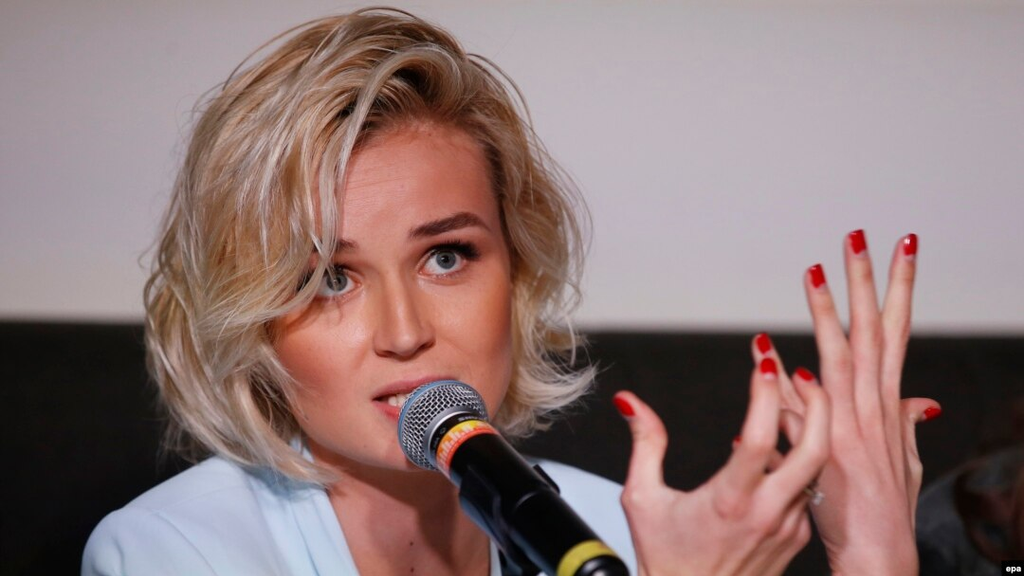
During the following years, Polina Gagarina increasingly established herself within Russian pop music. Her career combined studio recordings, concerts, television appearances, collaborations, and other entertainment projects. She became known for a strong vocal style and emotionally focused performances, characteristics that later helped her compete on international stages. Gagarina also expanded beyond singing, taking opportunities in acting, television, and related entertainment work. Her development illustrates how Russian pop performers can build careers across several forms of media rather than relying only on album sales. By the early 2010s, she was already an established name in Russian entertainment, but her biggest international recognition was still ahead of her through her participation in Eurovision.
Acting and Television Work
Gagarina has not limited her career to music. Her professional credits also include film, television, voice, and dubbing work, demonstrating her versatility as an entertainer. Her television presence became particularly significant because music competitions and talent programs remained an important part of her public career. She later appeared as a mentor on Russian editions of The Voice and The Voice Kids, according to her official website. These roles allowed her to appear not only as a performer but also as an experienced figure helping younger and emerging singers. Her work in television has therefore complemented her recording career and strengthened her public profile across Russian-language entertainment.
Polina Gagarina and Eurovision 2015
The most internationally recognized chapter of Polina Gagarina’s career came in 2015, when she represented Russia at the Eurovision Song Contest in Vienna. She performed “A Million Voices,” a pop anthem written by an international team of songwriters. Gagarina qualified through the first semi-final and then performed in the grand final on May 23, 2015. Her performance finished in second place, receiving 303 points. Sweden’s Måns Zelmerlöw won the competition with 365 points, while Italy’s Il Volo finished third with 292. The European Broadcasting Union recorded the result as one of the major outcomes of the 2015 contest.
“A Million Voices” and Its International Impact
“A Million Voices” became one of the defining songs associated with Gagarina’s international career. The song presented a message centered on unity, hope, peace, and shared human experience, while its large-scale arrangement suited the Eurovision stage. The official Eurovision channel published the song’s music video ahead of the contest and identified Gagarina as Russia’s 2015 representative. In the first semi-final, the song finished first among the participating entries, earning 182 points, before achieving second place in the final. The combination of a powerful vocal performance, a dramatic presentation, and an internationally accessible message helped make the song one of the most recognizable entries of Gagarina’s career.

Eurovision Legacy and International Recognition
Gagarina’s second-place Eurovision result significantly expanded her recognition outside Russia. Eurovision attracts audiences across Europe and beyond, giving participating artists an opportunity to reach listeners who may not otherwise encounter their music. Her 303-point result placed her among the strongest performers of the 2015 contest. The performance also became an important reference point whenever her international career was discussed. Gagarina later remained connected with Eurovision-related programming and appeared in Eurovision contexts after her 2015 participation. Although Eurovision represented only one part of her career, the contest gave her a major international stage and became the achievement most frequently associated with her name outside Russian-speaking markets.
Polina Gagarina on Chinese Television
Another international chapter came through her participation in the Chinese music competition Singer in 2019. The program gave Gagarina exposure to a large Asian television audience and allowed her to perform in a different entertainment market. Her participation demonstrated that her career was not limited entirely to Russian television and European music events. International reality and competition programs can be particularly valuable for singers because they introduce established artists to new audiences through live performances and television storytelling. For Gagarina, appearing on Singer followed her Eurovision experience and added another international dimension to her professional biography. Her official website also highlights her participation in the popular Chinese program as one of the significant milestones of her career.
Mentoring and The Voice
Beyond performing, Polina Gagarina became involved in televised talent development. Her official biography identifies her work as a mentor on The Voice and The Voice Kids. Such roles placed her on the other side of the competition format that had helped launch her own career. Instead of competing for recognition, she could use her experience to evaluate and guide other singers. This part of her career also reflects the broader evolution of her public identity: from young television contestant to established recording artist and mentor. Her experience across competitions, concerts, recordings, and television made her a natural fit for programs where vocal ability and stage presentation are central to the format.
Polina Gagarina’s Vocal Style and Musical Identity
Gagarina is primarily associated with Russian pop music, although her career includes different musical arrangements and performance styles. Her public image has often emphasized vocal power, emotional delivery, and polished stage presentation. Songs such as “A Million Voices” demonstrate her ability to perform material requiring both controlled vocals and a large-scale theatrical approach. Her work across television and concert stages has also allowed her to adapt to different performance settings. Rather than being defined by one particular musical period, Gagarina’s career has developed across more than two decades, with changes in production styles, television formats, and audience expectations. Her vocal identity remains one of the central elements of her professional reputation.
Personal Life and Family
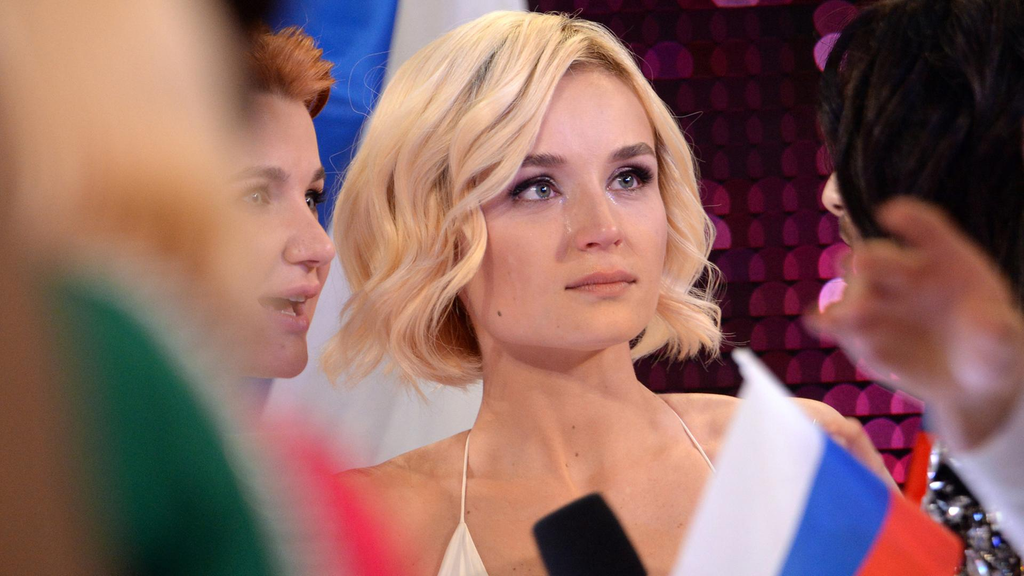
Public information about Gagarina’s personal life has appeared regularly in Russian entertainment media, although her professional work remains the central focus of her biography. She has been married twice and has children. Because personal circumstances can change over time, biographical details concerning relationships should be treated according to the date of the source rather than presented as permanently fixed facts. Her career has continued alongside major changes in her private life, including motherhood and professional development. This balance between family responsibilities and an active entertainment career is part of the broader story of her life. For readers researching Polina Gagarina, it is useful to distinguish confirmed biographical information from speculation or entertainment-media commentary about her private affairs.
Awards, Achievements and Career Milestones
Over more than two decades, Gagarina has accumulated numerous professional achievements. Her official website describes a 20-year creative career and highlights her Eurovision silver medal, international appearance on Singer, and mentoring work on The Voice projects. Other documented milestones include winning Star Factory 2 in 2003, placing third at the New Wave competition in 2005, and finishing second at Eurovision 2015. These achievements show the progression of her career from a television talent competition to major national and international performances. Her professional history also demonstrates longevity: she has remained active across music, television, live entertainment, and related creative projects for many years.
Polina Gagarina’s Public Career Since 2022
Gagarina’s public career has continued during a period of significant political controversy surrounding Russia. In June 2024, the European Union added Polina Sergeevna Gagarina to its restrictive-measures list. The EU’s official document identifies her as a singer, actress, songwriter, and model and states that the listing was connected to her participation in events that the EU characterized as state propaganda and support for actions undermining Ukraine’s territorial integrity. These are the EU’s stated reasons for the listing and should be distinguished from independently established descriptions of her artistic career. Her official website continues to describe an active career in Russian entertainment.
Polina Gagarina’s Cultural Significance
Gagarina’s career illustrates the reach of Russian-language pop entertainment across television, music competitions, concerts, and international events. Her Eurovision appearance introduced her to millions of viewers outside Russia, while her later work on Chinese television demonstrated another route to international exposure. At home, her career has included recording, acting, mentoring, and large-scale performances. Her biography therefore extends beyond a simple story about one successful song. It includes the transformation of a young talent-show winner into a long-established entertainment personality. For audiences researching her today, Polina Gagarina is best understood through the combination of her music career, international appearances, television work, and documented public activities.
Polina Gagarina’s Legacy
The lasting legacy of Polina Gagarina is closely connected to her ability to remain visible across different stages of the entertainment industry. She first gained national recognition through Star Factory 2, developed a recording career, competed internationally at Eurovision, appeared on Chinese television, and later worked as a mentor on major singing programs. Her second-place Eurovision result remains her most internationally documented competitive achievement. At the same time, her continuing work in Russian entertainment has kept her prominent in her home market. Her career demonstrates how a performer can build long-term recognition by combining vocal performance with television, live appearances, and other forms of entertainment rather than relying on a single release or competition.
Conclusion
Polina Gagarina has built a multifaceted career spanning music, television, acting, competitions, and international performance. Born in Moscow on March 27, 1987, she first became widely recognized after winning Star Factory 2 in 2003. Her career expanded through recording opportunities, competitions, television appearances, and live performances before reaching an international audience at the 2015 Eurovision Song Contest. Her performance of “A Million Voices” earned Russia second place with 303 points, becoming one of the defining achievements of her career. Her later work on Chinese television and Russian talent programs added further chapters to her professional story. Today, her biography includes both major artistic achievements and significant documented public developments.
FAQs
Who is Polina Gagarina?
Polina Gagarina is a Russian singer, songwriter, actress, and television personality. She became nationally known after winning Star Factory 2 in 2003 and later gained international recognition by representing Russia at Eurovision 2015.
When was Polina Gagarina born?
Polina Gagarina was born on March 27, 1987, in Moscow, then part of the Russian SFSR in the Soviet Union. Her birth name is Polina Sergeyevna Gagarina.
What song did Polina Gagarina sing at Eurovision?
She represented Russia at the 2015 Eurovision Song Contest with “A Million Voices.” She finished second with 303 points in the grand final held in Vienna.
Did Polina Gagarina win Eurovision?
No. Polina Gagarina finished second at Eurovision 2015. Sweden’s Måns Zelmerlöw won with “Heroes,” receiving 365 points, while Gagarina received 303 points.
Did Polina Gagarina participate in The Voice?
Yes. Her official website identifies her as a mentor on The Voice and The Voice Kids projects, adding television mentoring to her career as a performer.
What is Polina Gagarina known for?
She is particularly known for winning Star Factory 2, her Russian pop career, her 2015 Eurovision performance, and her work on television music programs. Her Eurovision song “A Million Voices” remains one of her most internationally recognized performances.
Is Polina Gagarina still active?
Her official website describes an ongoing professional career and highlights more than 20 years of creative activity, including music, performances, and television-related work.