
Introduction
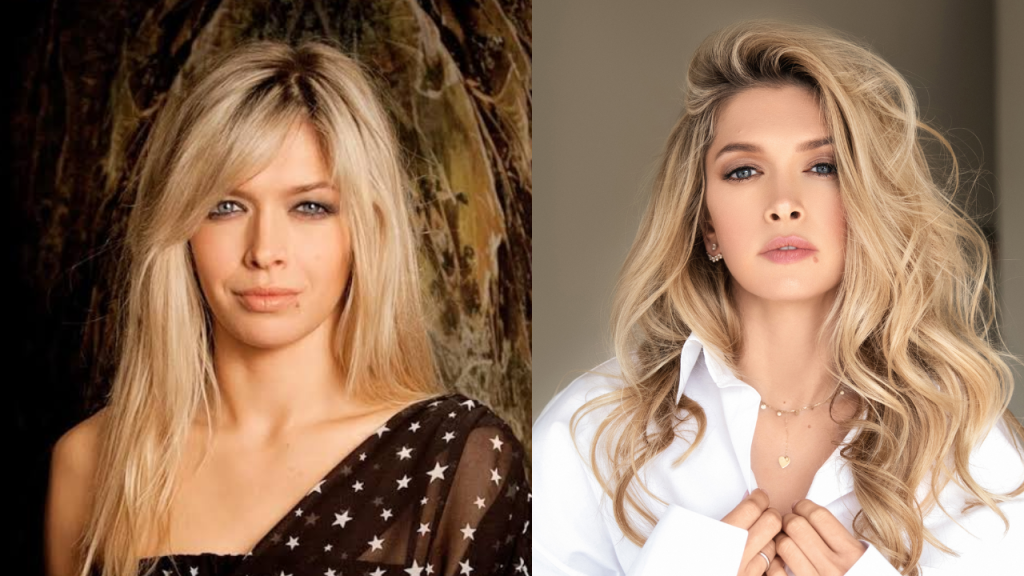
Vera Brezhneva is a Ukrainian singer, actress, television presenter, and entertainer who became one of the most recognizable female pop performers in Eastern Europe. Born on February 3, 1982, in Dniprodzerzhynsk, Ukrainian SSR, she first gained widespread attention as a member of the popular girl group VIA Gra, also known internationally as Nu Virgos. She joined the group during the early 2000s and became part of one of its most successful lineups. After leaving the group in 2007, she developed a successful solo career, appearing in films, television programs, and major music projects. In more recent years, she has increasingly used the name VIRA and incorporated Ukrainian-language material into her artistic work.
Vera Brezhneva’s Early Life and Childhood
Vira Viktorivna Halushka, known professionally for many years as Vera Brezhneva, was born in the Ukrainian city of Dniprodzerzhynsk, a place that has since returned to its historical name, Kamianske. She grew up in a working-family environment and developed interests in performance and music while still young. Her family background was not connected to the entertainment industry, meaning that her later rise to fame came through auditions, determination, and performance opportunities rather than an established celebrity network. She has three sisters, including an older sister and younger twin sisters. Her childhood and education formed the foundation for a career that would eventually move from local ambitions to major stages across the region.
Education and Early Ambitions
Before becoming a full-time entertainer, Vera Brezhneva pursued education in economics and accounting. Available biographical sources state that she studied by correspondence at the Dnipropetrovsk Institute of Railway Engineering, where she specialized in accounting. This detail provides an interesting contrast with her later public career because her original educational direction was not directly connected to music, acting, or television. Like many performers, her professional path changed after an unexpected opportunity placed her in front of entertainment-industry professionals. Her eventual decision to pursue music demonstrates how an individual’s career can develop differently from their initial educational plans. The transition also gave Brezhneva an opportunity to discover talents that became central to her public identity.
How Vera Brezhneva Joined VIA Gra
A defining moment in Vera Brezhneva’s biography came in 2002, when she participated in an audition connected with the Ukrainian female group VIA Gra. She successfully obtained a place in the group and became part of a lineup that would become particularly successful during the early 2000s. She performed alongside Nadiya Meikher and Anna Sedokova, creating a combination that was later widely associated with the group’s “golden” period. Her professional career changed rapidly after joining VIA Gra because the group already had a strong audience and an expanding recording career. The opportunity gave Brezhneva national and regional exposure while allowing her to develop experience in professional recording, choreography, television appearances, music videos, and live performances.
Why She Became Known as Vera Brezhneva
The stage name Vera Brezhneva has an unusual origin. Her birth name is Vira Viktorivna Halushka, while the professional surname Brezhneva was reportedly selected because she and former Soviet leader Leonid Brezhnev were both born in the same Ukrainian city. The stage identity quickly became strongly associated with her career and remained her best-known professional name for many years. The name helped distinguish her from other performers and became recognizable throughout Russian-language pop culture. Although her artistic identity has evolved over time, the name Vera Brezhneva remains closely connected with her VIA Gra years, her solo hits, television appearances, and acting work.

Vera Brezhneva’s Success With VIA Gra
During her time with VIA Gra, Brezhneva appeared on several important releases and became one of the group’s most recognizable performers. The lineup featuring Brezhneva, Nadiya Meikher, and Anna Sedokova became particularly successful and is often remembered as one of the group’s strongest periods. The group released projects including Stop! Snyato!, Biologiya, and the English-language Stop! Stop! Stop! during 2003. VIA Gra combined pop music, elaborate visual presentation, choreography, and emotionally dramatic songs, making the group a major part of early-2000s Eastern European entertainment. Brezhneva’s growing popularity during this period gave her the platform needed to eventually establish herself independently as a solo singer and television personality.
Leaving VIA Gra in 2007
After several successful years with VIA Gra, Vera Brezhneva left the group in 2007. Her departure marked the beginning of an important new chapter because she was no longer performing as part of an established trio and instead had to create a separate identity as a solo artist. Her final period with the group included further recordings and performances before she moved toward individual projects. Leaving such a successful group represented a significant professional decision, but it allowed her to explore a wider range of music, television, acting, and personal creative projects. By the following year, her solo career was already beginning to take shape, giving audiences a different perspective on her abilities as a performer.
Beginning of Her Solo Music Career
The next stage of Vera Brezhneva’s career began with solo recordings and television appearances. In 2008, she released “Ya ne igrayu” (“I Don’t Play”), which became an important early release in her individual career. She followed it with other singles, including “Nirvana.” Moving into solo music required Brezhneva to develop a sound and visual identity that could stand independently from VIA Gra. Her solo material generally presented a more personal pop image and allowed her to work with different collaborators and producers. This period established the foundation for her later albums and popular songs and helped demonstrate that her career could continue successfully after leaving the group that originally made her famous.
Vera Brezhneva’s Debut Solo Album
One of the most important milestones in her solo discography was the album “Lyubov spasyot mir”, commonly translated as “Love Will Save the World.” The album represented a major step away from her identity as a former VIA Gra member and toward recognition as an individual pop artist. Songs connected with the project helped strengthen her position in mainstream Russian-language pop music. Her solo catalog also included collaborations with performers such as Dan Balan and Potap, giving her opportunities to experiment with different vocal partnerships and musical arrangements. The album period established a recognizable solo style and helped her maintain public attention during the transition from group performer to independent recording artist.
Popular Songs and Musical Style
Throughout her solo career, Vera Brezhneva became associated with melodic pop songs centered on relationships, emotions, personal confidence, and everyday experiences. Her repertoire included both energetic commercial tracks and more sentimental material. Collaborations became an important part of her discography, particularly her work with artists such as Dan Balan. Her vocal presentation generally favored accessible pop melodies rather than highly experimental musical structures, helping her connect with a broad mainstream audience. The visual side of her career was also important, with music videos contributing to her public image as a singer, actress, and fashion-conscious entertainer. Her music career therefore developed through a combination of recordings, collaborations, television appearances, concerts, and carefully produced visual projects.
Acting Career and Love in the Big City
Music was not the only area in which Vera Brezhneva developed a successful career. She also entered the film industry, with one of her notable roles coming in the 2009 romantic comedy Love in the Big City. She played the character Katya and also performed music connected with the film. The movie was followed by a sequel in 2010, allowing Brezhneva to continue developing her acting profile. Her involvement in cinema demonstrated her ability to move between different entertainment formats while maintaining a strong public presence. Acting also gave her another way to connect with audiences beyond music and helped establish her as a broader entertainment personality rather than simply a recording artist.
Television Career and Presenting Work
Vera Brezhneva also became a familiar television personality. In 2008, she hosted the Russian adaptation of the game show Power of 10, known locally as Magiya desyati. She later participated in other television entertainment projects, demonstrating her comfort in front of a camera outside music videos and concerts. Television became an important part of her public profile because it allowed viewers to see her personality in formats that were less dependent on singing. Her work across music, film, and television helped create a diversified entertainment career. Over time, she became known not only as a singer but also as a presenter and actress with experience across several areas of popular culture.
Vera Brezhneva as a Fashion and Pop Culture Figure
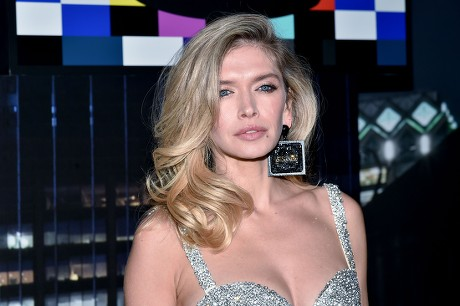
Alongside her music and acting career, Vera Brezhneva developed a strong presence in fashion and popular culture. Her public appearances, music videos, magazine features, and red-carpet events contributed to an image associated with modern Eastern European pop style. During her VIA Gra years, the group became known for highly recognizable fashion and visual presentation, while Brezhneva later developed her own individual appearance as a solo performer. Her style evolved alongside her career, moving from the group’s early-2000s aesthetic toward a more mature solo image. This visual evolution became part of her broader celebrity identity and helped maintain interest in her work beyond individual songs and films.
Personal Life and Family
The personal life of Vera Brezhneva has received considerable attention throughout her career. Public biographical sources identify her as a mother of two daughters. Her family life has developed alongside her work in music, television, and film, although she has generally kept some private matters separate from her professional activities. She was previously married to Mikhail Kiperman, and later married music producer Konstantin Meladze in 2015. Because celebrity relationships and family circumstances can change, older biographical information should always be read with its publication date in mind. For an accurate biography, it is useful to separate confirmed information from entertainment-media speculation about her private life.
Career Development After 2022
The period after 2022 represented another significant change in Brezhneva’s artistic direction. Her relationship with the Russian-language entertainment industry became more complicated, while her creative work increasingly reflected her Ukrainian identity. Sources covering her recent career describe a move toward Ukrainian-language material and increased use of the artistic name VIRA. This represents more than a simple change of branding because it coincided with a broader evolution in her musical repertoire and public positioning. Rather than being defined only by her earlier Russian-language pop catalog, her newer work has allowed her to explore different themes and linguistic forms. Her career therefore continues to evolve rather than remaining tied exclusively to the period that originally made her famous.
Vera Brezhneva and the Name VIRA
In her more recent artistic work, VIRA has increasingly been used as a professional identity. This name reflects a new stage in her career and is particularly associated with Ukrainian-language songs and projects developed after 2022. The change allows audiences to distinguish her newer material from the earlier Vera Brezhneva catalog. Her career can therefore be viewed through several periods: her early rise with VIA Gra, her successful solo career under the name Vera Brezhneva, and her more recent work as VIRA. This evolution illustrates how established performers can reshape their artistic identity as their language, audience, creative priorities, and personal circumstances change.
Achievements and Career Highlights
The career achievements of Vera Brezhneva span more than two decades. Among the most important milestones are joining VIA Gra in the early 2000s, becoming part of one of the group’s most recognized lineups, leaving the group in 2007, launching a solo career in 2008, releasing successful solo albums and singles, appearing in feature films, and hosting television programs. Her work with VIA Gra also contributed to multiple commercially successful releases and music awards. Later, her solo career established her as a recognizable pop performer in her own right. Her ability to maintain visibility across music, film, television, and fashion has been a central feature of her professional story.
Vera Brezhneva’s Current Career
As of 2026, Vera Brezhneva remains associated with live performance and music, while her recent artistic identity increasingly uses the name VIRA. Public event information from 2026 lists concerts under her name and describes her as a Ukrainian singer, actress, and television presenter. Her current repertoire continues to connect with her long history in pop music while also reflecting the newer direction of her work. This combination gives her career an unusual continuity: audiences can recognize songs from her earlier years while also encountering material associated with her newer identity. Her ongoing performances demonstrate that her career has continued well beyond her original breakthrough with VIA Gra.
Vera Brezhneva’s Cultural Legacy
The legacy of Vera Brezhneva is closely connected with the transformation of Eastern European pop music during the 2000s and 2010s. Her years with VIA Gra placed her at the center of one of the region’s most recognizable female pop groups, while her solo career demonstrated her ability to build an independent identity. Her transition into acting and television further expanded her cultural presence. More recently, her movement toward the VIRA identity and Ukrainian-language music has added another dimension to her artistic story. Rather than being defined by one particular song or group, her career is notable for its longevity, multiple professional stages, and continued adaptation to changing audiences and cultural circumstances.
Conclusion
Vera Brezhneva has built a remarkable entertainment career that stretches from her early days in VIA Gra to her solo success, acting projects, television appearances, and more recent work as VIRA. Born Vira Viktorivna Halushka on February 3, 1982, she entered the music industry through an audition and became one of the best-known members of VIA Gra during the group’s successful early-2000s period. After leaving the group in 2007, she established herself as a solo singer and expanded into film and television. Her career has continued to evolve, particularly since 2022, with greater emphasis on Ukrainian-language creative work. Her story demonstrates how a performer can repeatedly reinvent an artistic identity while maintaining a connection with audiences across different stages of a long career.
FAQs
Who is Vera Brezhneva?
Vera Brezhneva is a Ukrainian singer, actress, and television presenter. She became widely known as a member of VIA Gra before developing a successful solo career. In recent years, she has also used the artistic name VIRA.
What is Vera Brezhneva’s real name?
Her birth name is Vira Viktorivna Halushka. She became internationally and regionally known for many years under the professional name Vera Brezhneva.
When was Vera Brezhneva born?
Vera Brezhneva was born on February 3, 1982, in Dniprodzerzhynsk, Ukrainian SSR, Soviet Union, a city now known as Kamianske in Ukraine.
Why did Vera Brezhneva leave VIA Gra?
Brezhneva left VIA Gra in 2007 after several years with the group and subsequently pursued an individual career in music, television, and acting.
What movies has Vera Brezhneva appeared in?
One of her notable film roles was Love in the Big City, released in 2009, in which she played Katya. She also returned for the sequel released in 2010.
What is Vera Brezhneva known as now?
In her more recent artistic work, she has increasingly used the name VIRA, particularly for Ukrainian-language material and newer creative projects.
Does Vera Brezhneva have children?
Yes. Public biographical sources report that she has two daughters