
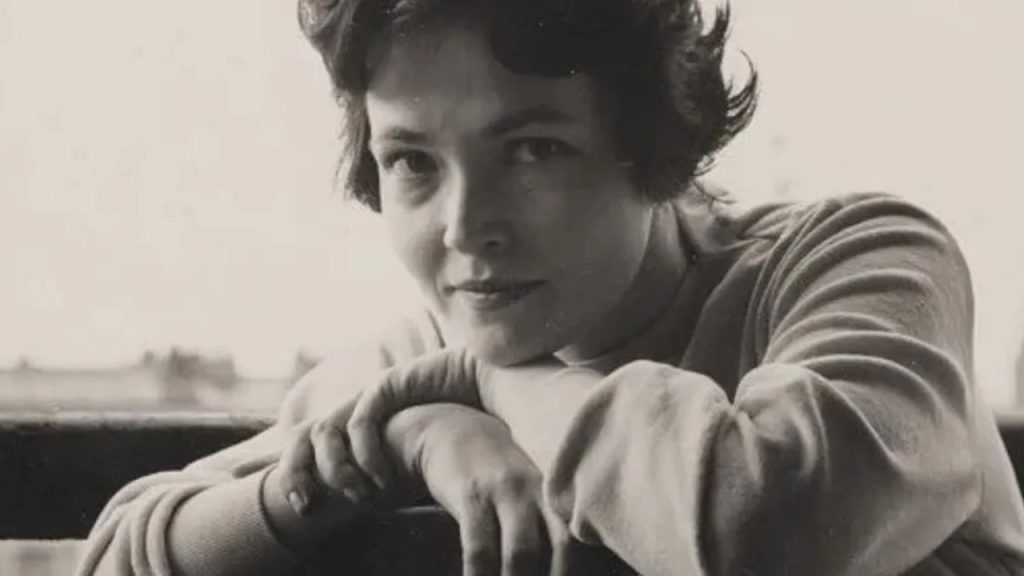
Introduction to Alice Baber
Alice Baber stands as one of the most distinctive voices in 20th-century abstract art. Known for her luminous color palettes and emotionally resonant compositions, she carved a unique space within the Abstract Expressionist movement. While many of her contemporaries explored bold, aggressive techniques, Baber embraced softness, light, and harmony, creating works that feel almost spiritual in nature.
Her journey as an artist reflects persistence, creativity, and a refusal to conform to dominant artistic norms. This article explores her life, work, artistic style, and lasting legacy in detail.
Early Life and Background
Humble Beginnings
Alice Baber was born in 1928 in Charleston, Illinois. From a young age, she showed a deep interest in art and creativity. Her early environment, though not centered on fine arts, encouraged her curiosity and independence.
Education and Artistic Foundation
Baber pursued formal education in art, which played a critical role in shaping her artistic direction. She attended Lindenwood College and later Indiana University, where she honed her skills and developed a strong understanding of artistic theory and practice.
Early Influences
Her early exposure to European art and modernist movements greatly influenced her work. Artists associated with Abstract Expressionism and Color Field painting helped guide her toward her signature style.
Rise in the Art World
Breaking Into Abstract Expressionism
During the 1950s and 1960s, Abstract Expressionism dominated the American art scene. However, it was largely male-dominated. Alice Baber emerged as a strong female voice within this movement, challenging norms through her unique approach.
Exhibitions and Recognition
Baber gained recognition through various exhibitions in New York and internationally. Her work was displayed in prestigious galleries, helping her build a solid reputation among critics and collectors.
International Exposure
Her career was not limited to the United States. She traveled extensively, participating in exhibitions across Europe, Latin America, and Asia. This global exposure enriched her artistic vision and broadened her influence.
Artistic Style and Techniques
The Power of Color
One of the defining characteristics of Alice Baber’s work is her use of radiant, glowing colors. Her paintings often feature overlapping shapes filled with soft, luminous hues that seem to float on the canvas.
Light and Transparency
Unlike many Abstract Expressionists who focused on heavy brushstrokes, Baber emphasized transparency and light. Her use of layered color creates a sense of depth and movement.
Organic Forms
Her compositions are filled with organic, rounded shapes that resemble natural forms. These shapes interact harmoniously, giving her work a sense of balance and calm.
Emotional Expression
Baber’s art is deeply emotional. Rather than depicting physical objects, she focused on conveying feelings, moods, and inner experiences through color and form.
Challenges as a Female Artist
Breaking Barriers
During her time, the art world was dominated by male artists. Women often struggled to gain recognition and respect. Alice Baber faced these challenges head-on and proved her talent through consistent work and innovation.
Advocacy for Women in Art
She was not only an artist but also an advocate for women. Baber supported initiatives that promoted female artists and worked to create more opportunities for them in galleries and exhibitions.
Major Works and Achievements
Signature Paintings
Some of her most notable works showcase her mastery of color and form. These paintings often feature glowing, circular shapes that seem to pulse with energy.
Critical Acclaim
Art critics praised her ability to create harmony and emotion through abstract forms. Her work was often described as poetic and meditative.
Awards and Honors
Throughout her career, Alice Baber received numerous awards and recognitions. These accolades highlighted her contribution to modern art and her unique artistic voice.
Personal Life and Inspirations
Travel and Cultural Influence
Baber’s travels played a significant role in shaping her art. Exposure to different cultures and landscapes influenced her color choices and compositional style.
Inner Vision
Her work reflects a strong connection to her inner world. She often spoke about painting as a way to express her emotions and spiritual experiences.
Legacy and Impact
Influence on Modern Art
Alice Baber’s work continues to inspire contemporary artists. Her approach to color and form has influenced many painters who seek to create emotional depth through abstraction.
Recognition After Death
Although she passed away in 1982, her work has gained increased recognition over time. Art historians now acknowledge her as a significant figure in Abstract Expressionism.
Representation in Museums
Her paintings are featured in several major collections and museums, ensuring that her legacy continues to reach new audiences.
Why Alice Baber Still Matters Today
Timeless Artistic Vision
Her art transcends time because it focuses on universal emotions and experiences. The softness and harmony in her work offer a refreshing contrast to more aggressive styles.
Inspiration for Women Artists
Baber’s journey serves as an inspiration for female artists worldwide. She proved that talent and determination can break barriers.
Relevance in Contemporary Art
In today’s art world, where diversity and individuality are celebrated, Alice Baber’s work feels more relevant than ever.
Quick Info About Alice Baber
- Full Name: Alice Baber
- Birth Year: 1928
- Death Year: 1982
- Nationality: American
- Art Movement: Abstract Expressionism / Color Field
- Known For: Luminous color compositions and organic abstract forms
- Education: Lindenwood College, Indiana University
- Primary Medium: Painting
FAQs About Alice Baber
Who was Alice Baber?
Alice Baber was an American abstract expressionist painter known for her vibrant and luminous use of color.
What makes her art unique?
Her art stands out بسبب its glowing colors, soft shapes, and emotional depth, which create a sense of harmony and light.
Was she part of Abstract Expressionism?
Yes, she was associated with Abstract Expressionism but developed her own distinctive style within the movement.
Did Alice Baber face challenges as a woman artist?
Yes, she worked in a male-dominated art world and had to overcome barriers to gain recognition.
Where can her artwork be seen today?
Her paintings are displayed in museums, galleries, and private collections worldwide.
What is her legacy?
She is remembered as a pioneering female artist who brought light, color, and emotion into abstract art.
Final Thoughts
Alice Baber’s story is one of creativity, resilience, and vision. She did not simply follow trends; she created her own artistic language. Through luminous colors and gentle forms, she expressed emotions that words cannot capture.
Her work continues to resonate with audiences because it speaks to something universal—the beauty of color, the power of emotion, and the importance of individuality. In a world that often celebrates boldness and noise, Alice Baber reminds us of the strength found in softness and light.