
Introduction
The Candyland computer game is one of the digital adaptations inspired by the classic Candy Land board game, a title that has entertained families and young children for generations. Originally created by Eleanor Abbott in 1949 as a colorful board game, Candy Land later expanded into various digital versions for personal computers and gaming platforms. The Candyland computer game preserves the simple, family-friendly gameplay while introducing animated characters, interactive environments, and engaging mini-games. Designed primarily for younger audiences, the game encourages learning, exploration, and entertainment through a bright, candy-themed world. Over the years, it has remained a nostalgic favorite for many players who grew up with educational and family-oriented computer games.
What Is the Candyland Computer Game?
The Candyland computer game is a digital adaptation of the beloved Candy Land board game published by Hasbro. Unlike traditional strategy games, it focuses on simple mechanics that are easy for children to understand and enjoy. Players travel through colorful candy-themed locations while meeting familiar characters and completing fun activities. Most versions rely on chance rather than complex decision-making, making the game accessible even to preschool-aged children. The digital format adds animations, voice acting, cheerful music, and interactive elements that enhance the original board game experience while maintaining its educational and family-friendly appeal.
The Origins of Candy Land
To understand the Candyland computer game, it is important to know the story behind the original Candy Land board game. Eleanor Abbott, a schoolteacher recovering from polio, created the game to bring joy to children receiving treatment in hospitals. Published by Milton Bradley in 1949, Candy Land quickly became one of the world’s most recognizable children’s board games. Its colorful path, memorable characters, and straightforward gameplay made it an instant success. As personal computers became more common during the 1990s, developers adapted classic board games into digital experiences, leading to the creation of several versions of the Candyland computer game for young players.
Development of the Candyland Computer Game
The Candyland computer game was developed under licensing agreements with Hasbro, allowing software publishers to recreate the magical Candy Land universe in digital form. Different editions appeared over the years, each introducing updated graphics, interactive storytelling, and engaging educational activities. While gameplay remained faithful to the original board game, developers added animated environments, voice narration, and child-friendly controls to make the experience more immersive. These improvements helped transform the traditional tabletop adventure into an entertaining computer game suitable for home PCs, educational settings, and family entertainment.
Story and Setting
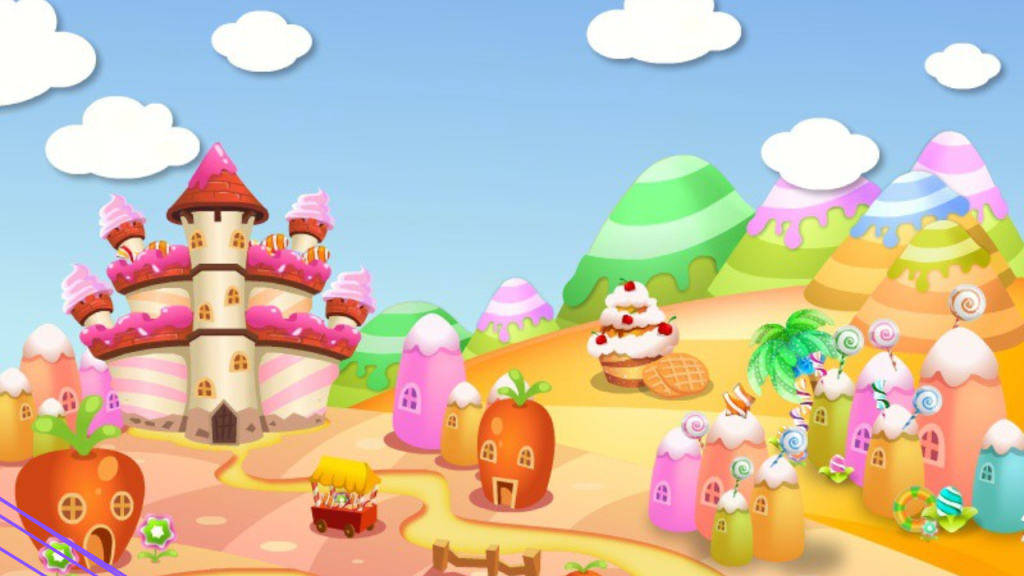
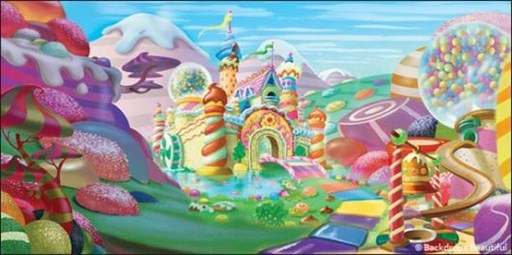
The Candyland computer game transports players into a whimsical world filled with colorful landscapes, candy forests, chocolate mountains, peppermint paths, and sweet-themed castles. Players journey through imaginative locations while encountering classic characters such as King Kandy, Princess Lolly, Lord Licorice, and Queen Frostine. The storyline typically revolves around helping friendly characters, overcoming simple obstacles, and progressing toward the final destination. Although each digital version may include slight story variations, the overall adventure emphasizes kindness, exploration, and fun rather than competition. This welcoming atmosphere makes the Candyland computer game especially appealing to younger audiences and families.
Gameplay Mechanics
The Candyland computer game features gameplay that closely resembles the original board game while incorporating interactive digital elements. Movement is usually determined by drawing virtual color cards or spinning digital selectors, allowing players to advance through the candy-themed map. Along the journey, players may encounter animated cutscenes, simple puzzles, mini-games, and educational challenges designed for children. The controls are intentionally straightforward, requiring only basic mouse clicks or keyboard inputs. This accessibility ensures that even very young players can enjoy the game independently while developing essential skills such as color recognition, sequencing, and problem-solving through enjoyable gameplay.
Main Characters
One of the defining strengths of the Candyland computer game is its memorable cast of colorful characters. King Kandy serves as the cheerful ruler of Candy Land, while Princess Lolly represents kindness and optimism throughout the adventure. Lord Licorice often appears as a mischievous character who creates playful challenges for players. Queen Frostine brings magical winter-themed environments to the game, and characters such as Mr. Mint, Gramma Nutt, and Jolly further enrich the candy-filled world. Their distinctive personalities, bright designs, and friendly interactions help create an engaging experience that remains enjoyable for children and nostalgic for adults.
Graphics and Visual Design
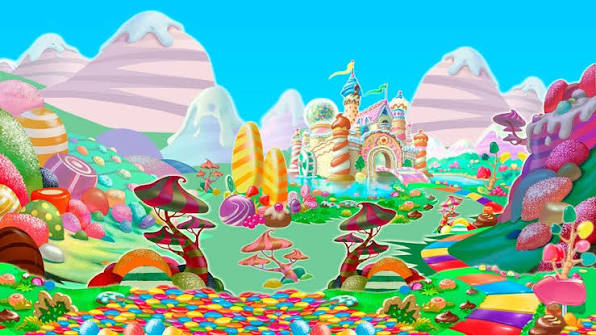
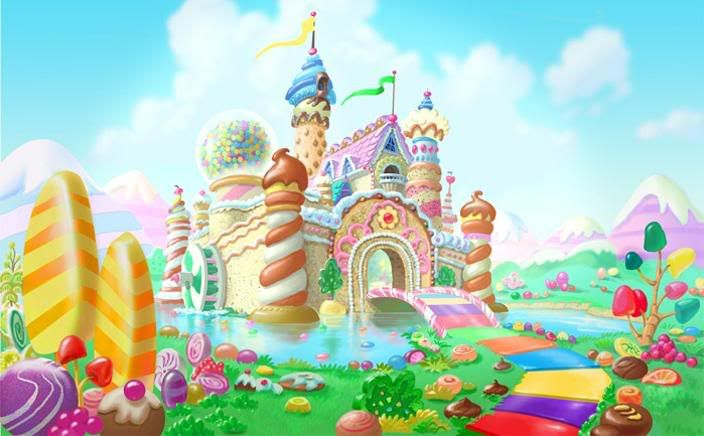
The Candyland computer game is known for its bright, colorful visuals that capture the magical atmosphere of the original board game. Every location is filled with candy-inspired scenery, including chocolate rivers, gumdrop hills, peppermint forests, and colorful castles. The animated environments are designed to keep young players engaged while encouraging exploration. Characters feature cheerful expressions and playful animations that make the game feel welcoming and entertaining. Although older versions use simple graphics compared to modern games, their artistic style remains charming and memorable, contributing to the timeless appeal of the Candyland computer game for children and nostalgic players alike.
Sound Effects and Music
Audio plays an important role in making the Candyland computer game enjoyable. The game features cheerful background music, playful sound effects, and friendly voice narration that help create a fun and relaxing atmosphere. Each area often has its own musical theme, matching the colorful environments and unique characters players encounter during their adventure. Sound effects accompany player movement, mini-games, and interactive objects, making every action feel rewarding. While the soundtrack is simple, it complements the game’s child-friendly design and enhances immersion without becoming distracting. These audio elements contribute significantly to the game’s lasting appeal among younger audiences.
Educational Benefits
One reason the Candyland computer game became popular with families is its educational value. Although primarily designed for entertainment, many versions help children develop basic learning skills through interactive gameplay. Young players can improve color recognition, pattern matching, sequencing, memory, and simple problem-solving while exploring the candy-themed world. Some editions also include educational mini-games that encourage logical thinking and hand-eye coordination. Parents and teachers appreciated that the Candyland computer game combined learning with fun, making it an excellent introduction to computer games for preschool and early elementary school children without overwhelming them with complicated controls or objectives.
Platforms and Availability
Over the years, the Candyland computer game has appeared on several digital platforms. Early versions were released for Microsoft Windows and Mac OS, often distributed on CD-ROM during the late 1990s and early 2000s. Some editions were also adapted for handheld learning systems and other family-friendly gaming devices. Because many releases are now considered legacy software, they may not run smoothly on modern operating systems without compatibility tools or emulation. Physical copies are sometimes available through online marketplaces and collectors, making them a nostalgic addition for fans interested in classic educational computer games.
Game Modes and Features
Different versions of the Candyland computer game include a variety of features designed for younger audiences. Most editions offer a single-player adventure where players travel across the Candy Land map while completing activities and meeting familiar characters. Interactive mini-games, animated storytelling, collectible rewards, and voice-guided instructions help maintain player engagement throughout the experience. Some versions also provide multiple difficulty settings suitable for different age groups, ensuring children can enjoy the game at their own pace. These features successfully blend traditional board game mechanics with interactive digital entertainment, creating an enjoyable experience for players of all skill levels.
Reception and Popularity
The Candyland computer game received positive attention from parents, educators, and young players for successfully bringing the classic board game into a digital format. Reviewers often praised its colorful graphics, easy-to-understand gameplay, and educational elements that made learning enjoyable for children. While older players sometimes found the gameplay too simple, this simplicity was intentional because the primary audience consisted of preschool and elementary-aged children. The game’s familiar characters and safe, family-friendly content contributed to its popularity during the early years of educational PC gaming, helping establish it as one of the memorable children’s computer titles of its era.
Candyland Computer Game vs. the Original Board Game
Although the Candyland computer game remains faithful to the classic board game, it introduces several improvements made possible by digital technology. The original board game relies entirely on physical cards and player interaction, whereas the computer version adds animated characters, background music, voice acting, and interactive activities. Players can enjoy visual storytelling and mini-games that expand the Candy Land universe beyond the tabletop experience. However, both versions retain the same core objective of traveling through a colorful candy-themed world while following simple rules. This balance between tradition and innovation helped the Candyland computer game appeal to both new players and longtime fans.
Why the Candyland Computer Game Remains Memorable
Many people remember the Candyland computer game with great nostalgia because it introduced them to computer gaming in a fun and welcoming way. The combination of colorful graphics, familiar characters, educational gameplay, and cheerful storytelling created positive childhood memories for countless players. Unlike many modern games focused on competition, the Candyland computer game emphasizes creativity, exploration, and enjoyment. Its simple mechanics make it accessible to children while its connection to the classic board game gives adults a sense of familiarity. These qualities continue to make the game an important part of the history of children’s educational entertainment.
Advantages of the Candyland Computer Game
The Candyland computer game offers several advantages that have helped it remain a favorite among families. Its simple controls make it accessible for young children who are just beginning to use computers, while its colorful environments encourage imagination and exploration. The game promotes basic learning skills such as color recognition, sequencing, memory, and logical thinking without making the experience feel like a classroom lesson. Parents also appreciate the non-violent gameplay and positive messages about kindness, friendship, and perseverance. These strengths make the Candyland computer game an excellent choice for introducing children to educational gaming in a safe and enjoyable environment.
Limitations of the Candyland Computer Game
Despite its many strengths, the Candyland computer game has some limitations. Because it was designed primarily for younger children, older players may find the gameplay repetitive and lacking strategic depth. Some versions are also difficult to run on modern computers because they were developed for older operating systems such as Windows 95, Windows 98, or Windows XP. Additionally, certain editions are no longer officially supported or sold by their original publishers, making them harder to obtain legally. Even with these challenges, the game’s nostalgic appeal and educational focus continue to attract collectors, parents, and retro gaming enthusiasts.
Legacy and Cultural Impact
The Candyland computer game holds a special place in the history of children’s educational software. By transforming the beloved Candy Land board game into an interactive digital adventure, developers introduced a new generation of children to the magical candy-themed world. The game demonstrated how traditional family games could successfully transition to computers while maintaining their educational value and entertainment. Its success also encouraged publishers to develop digital adaptations of other classic board games. Today, the Candyland computer game is remembered fondly by many adults who played it during childhood and remains an important example of early educational computer gaming.
Is the Candyland Computer Game Still Worth Playing?
Although the Candyland computer game is now considered a classic title, it can still provide enjoyable entertainment for families interested in retro educational games. Parents seeking age-appropriate games with simple controls and positive themes may appreciate its timeless design. Collectors often enjoy revisiting the game because of its nostalgic value and connection to one of the world’s most recognizable children’s board games. While modern educational games offer higher-quality graphics and more advanced features, the Candyland computer game continues to stand out for its charm, accessibility, and ability to create lasting childhood memories through colorful adventures and engaging gameplay.
Conclusion
The Candyland computer game successfully transformed one of the most beloved children’s board games into an engaging digital experience. Inspired by Eleanor Abbott’s original 1949 creation, the game introduced colorful animations, memorable characters, educational mini-games, and interactive storytelling while preserving the simplicity that made Candy Land famous. Over the years, it has entertained families, supported early childhood learning, and earned a place in the history of educational computer games. Although newer titles now dominate the gaming market, the Candyland computer game remains a nostalgic classic that continues to be appreciated for its creativity, accessibility, and family-friendly design. Its enduring popularity highlights the lasting appeal of imaginative adventures built around learning, fun, and timeless characters.
FAQs
1. What is the Candyland computer game?
The Candyland computer game is a digital adaptation of the classic Candy Land board game, featuring colorful adventures, interactive gameplay, and educational activities designed mainly for children.
2. Who created the original Candy Land game?
The original Candy Land board game was created by Eleanor Abbott in 1949 while recovering from polio, and it was later published by Milton Bradley.
3. Is the Candyland computer game educational?
Yes. Many versions help children improve color recognition, memory, sequencing, hand-eye coordination, and basic problem-solving skills through fun and interactive gameplay.
4. Can you still play the Candyland computer game today?
Yes, but availability depends on the version. Older editions may require compatibility settings, virtual machines, or retro gaming software to run on modern computers.
5. Which platforms supported the Candyland computer game?
Various editions were released for Microsoft Windows and Mac OS, with some versions also appearing on children’s educational gaming platforms.
6. Is the Candyland computer game suitable for adults?
The game is primarily designed for young children, but many adults enjoy revisiting it because of its nostalgic value and connection to the classic board game.
7. Who owns the Candy Land brand today?
The Candy Land brand is currently owned by Hasbro, which continues to produce the board game and license related products.