
Introduction
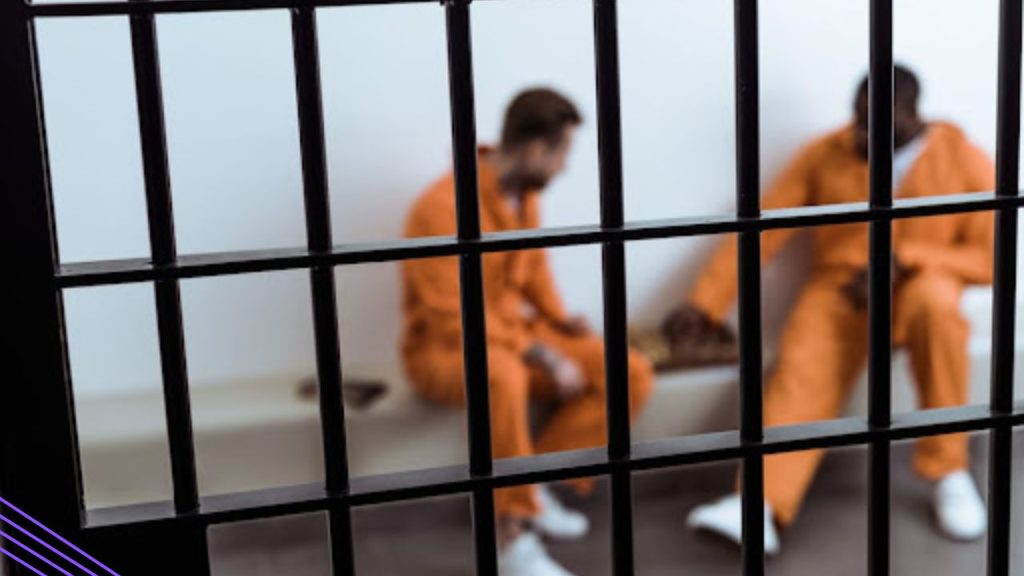
The idea of jail lifestyle often creates curiosity among people because prison life is very different from ordinary society. Movies and television frequently dramatize prison environments, but the real experience is more complex. Life inside jail involves strict routines, emotional struggles, survival challenges, discipline, and rehabilitation efforts.
Prisons are designed to maintain order and security while separating offenders from society. However, daily life inside correctional facilities can deeply affect a person’s mindset, relationships, and future opportunities.
Some inmates use prison time to improve themselves through education and skill development, while others struggle with mental pressure and social isolation. Understanding prison life helps society better understand rehabilitation, justice systems, and human behavior.
This article explores the reality of jail lifestyle, daily prison routines, psychological effects, rehabilitation programs, and famous individuals connected to prison reform and criminal justice awareness.
What Is jail lifestyle?
jail lifestyle refers to the daily routine, social environment, and living conditions experienced by inmates inside correctional facilities.
Life inside jail follows strict schedules controlled by prison authorities. Inmates must follow rules regarding movement, meals, work, recreation, and communication.
Structured Daily Routine
Most prisons operate under highly organized schedules. Daily activities usually include:
- Wake-up calls
- Meals
- Security checks
- Work assignments
- Exercise periods
- Educational programs
- Lights-out schedules
This structure helps maintain order and discipline.
Restricted Freedom
One of the biggest differences between prison life and normal society is the loss of personal freedom.
Inmates cannot freely decide where to go, what to eat, or how to spend their time.
Mental and Emotional Impact of Prison Life
Prison environments can create serious emotional and psychological challenges.
Isolation and Loneliness
Many inmates experience loneliness because they are separated from family and friends.
Limited communication with loved ones can increase emotional stress.
Anxiety and Stress
Living in a controlled and often tense environment can affect mental health.
Fear and Uncertainty
New inmates especially struggle with fear, uncertainty, and adjusting to prison culture.
Emotional Growth
Some individuals use prison time for self-reflection and personal improvement.
Prison Culture and Social Structure
Every prison develops its own social system. Inmates often form groups based on trust, shared backgrounds, or survival needs.
Respect and Reputation
Respect plays an important role inside prison culture. Many conflicts happen because of misunderstandings or disrespectful behavior.
Communication and Relationships
Inmates build social relationships to reduce loneliness and create emotional support systems.
Conflict and Violence
Some prisons experience violence because of overcrowding, gang activity, or personal disputes.
Correctional officers work constantly to maintain safety and control.
Education and Rehabilitation in Prison
Modern correctional systems increasingly focus on rehabilitation rather than punishment alone.
Educational Programs
Many prisons provide educational classes that help inmates complete school qualifications or learn new skills.
Vocational Training
Vocational programs teach practical skills such as carpentry, cooking, and technical work.
Preparing for Society
Training programs help inmates prepare for employment after release.
Reducing Crime Rates
Rehabilitation programs may reduce repeat criminal behavior by improving future opportunities.
Famous People Connected to Prison Reform
Several important personalities became known for discussing prison systems, justice reform, and rehabilitation.
Nelson Mandela
Nelson Mandela spent many years in prison before becoming a global symbol of leadership and justice.
His experience showed how imprisonment can affect both individuals and society.
Malcolm X
Malcolm X transformed his life during imprisonment through education and self-discipline.
He later became an influential public speaker and activist.
Kim Kardashian
Kim Kardashian became involved in criminal justice reform and supported prison reform awareness campaigns.
Her efforts increased public discussion about rehabilitation and sentencing policies.
Challenges Faced After Prison Release
Life after prison can be difficult for former inmates.
Employment Difficulties
Many former prisoners struggle to find jobs because of criminal records.
Social Acceptance
Rebuilding trust with family and society can take years.
Mental Adjustment
Former inmates often struggle adjusting to normal life after long periods inside controlled environments.
The Importance of Rehabilitation
Experts believe rehabilitation plays a major role in reducing crime and improving public safety.
Education Changes Lives
Educational opportunities inside prison can help inmates develop positive goals.
Mental Health Support
Counseling and therapy programs help individuals manage stress and emotional challenges.
Second Chances
Many former inmates successfully rebuild their lives after release through hard work and support systems.
Media Influence on jail lifestyle Perception
Movies and television often exaggerate prison life for entertainment purposes.
Reality vs Fiction
Real prison environments vary depending on the country, prison conditions, and security level.
Public Curiosity
People remain interested in prison stories because they involve survival, justice, psychology, and human behavior.
The Future of Prison Systems
Correctional systems around the world continue evolving.
Rehabilitation-Focused Models
Some countries now focus more on rehabilitation than punishment.
Improved Mental Health Services
Modern prison systems increasingly recognize the importance of mental health support.
Technology and Security
Advanced surveillance and monitoring systems improve prison safety and management.
FAQs
What is jail lifestyle?
jail lifestyle refers to the daily routine, social environment, and living conditions experienced by inmates inside prison facilities.
Is prison life mentally difficult?
Yes. Many inmates experience stress, loneliness, anxiety, and emotional pressure during imprisonment.
Can inmates study in prison?
Many correctional facilities offer education and vocational training programs.
Who are famous people connected to prison reform?
Important figures include Nelson Mandela and Malcolm X.
Why is rehabilitation important?
Rehabilitation helps inmates improve skills, reduce repeat crime, and prepare for successful reintegration into society.
Conclusion
The reality of jail lifestyle is far more complicated than fictional portrayals in movies and television. Prison life involves emotional struggles, strict routines, social challenges, and opportunities for personal transformation.
While imprisonment removes freedom, many individuals use the experience to rebuild their mindset and future goals. Rehabilitation, education, and mental health support remain essential for helping former inmates successfully return to society.
Understanding prison life also encourages broader discussions about justice, rehabilitation, and human behavior in modern society.