
Introduction
The gaming industry has experienced tremendous growth over the past few decades, but few genres have created communities as passionate and competitive as online fighting games. From arcade cabinets in the 1990s to modern esports tournaments streamed worldwide, fighting games have evolved into a global phenomenon. Today, millions of players compete online in titles such as Street Fighter 6, Tekken 8, and Mortal Kombat 1, testing skill, strategy, and reflexes against opponents from around the world. The rise of improved internet infrastructure, rollback netcode, and esports culture has transformed the genre. This article explores the history, evolution, impact, and future of online fighting games, revealing why they remain one of gaming’s most exciting experiences.
The Origins of Fighting Games
The roots of fighting games trace back to the arcade era of the 1980s. Early titles introduced competitive one-on-one combat mechanics that captivated players. Games such as Karate Champ (1984) laid the groundwork for the genre, while Street Fighter (1987) introduced special moves and unique characters. These early experiences encouraged direct competition, creating local gaming communities. Although online connectivity did not yet exist, the foundation for today’s online fighting games was already forming. Arcades became social hubs where players developed strategies, rivalries, and friendships. The success of these games demonstrated that skill-based competition could become a major part of gaming culture.
Street Fighter and the Genre’s Golden Age
The release of Street Fighter II in 1991 revolutionized the gaming industry. Its diverse roster, combo system, and balanced gameplay established standards that continue influencing modern online fighting games. Players gathered in arcades worldwide to challenge one another, turning competitive gaming into a cultural phenomenon. The game’s success inspired countless developers to create their own fighting franchises. More importantly, Street Fighter introduced mechanics that rewarded skill, timing, and practice. Even decades later, many principles from Street Fighter II remain central to modern competitive games. The title’s legacy is evident in nearly every online fighting experience available today.
The Rise of 3D Fighting Games
As gaming technology advanced, developers began experimenting with three-dimensional environments. Titles such as Tekken, Virtua Fighter, and Soulcalibur transformed the genre by introducing movement in multiple directions. This evolution expanded strategic depth and created new gameplay possibilities. Modern online fighting games frequently blend 2D and 3D mechanics to deliver richer experiences. Players gained access to larger character rosters and more complex combat systems. These innovations attracted broader audiences while preserving the competitive spirit of traditional fighting games. The transition to 3D represented a major milestone in the genre’s development and global popularity.
The Internet Revolution and Online Multiplayer
The growth of internet connectivity changed gaming forever. Previously, players needed to meet in person to compete, but online services enabled global matchmaking. Early implementations faced issues such as lag and unstable connections. However, technological improvements gradually enhanced gameplay quality. Today, online fighting games allow players from different continents to compete in real time. Matchmaking systems, ranked ladders, and cross-platform play have made competitive gaming more accessible than ever. The internet transformed local communities into worldwide networks of players, helping the genre reach unprecedented levels of popularity and engagement.

Understanding Rollback Netcode Technology
One of the most important innovations in modern online fighting games is rollback netcode. Unlike older delay-based systems, rollback technology predicts player inputs and corrects discrepancies instantly. This results in smoother and more responsive online matches. Developers and players alike consider rollback netcode essential for competitive integrity. Games such as Guilty Gear Strive and Street Fighter 6 have demonstrated its effectiveness. Improved online performance has significantly increased player satisfaction and expanded esports opportunities. As internet gaming continues evolving, rollback netcode remains one of the defining technologies shaping the future of fighting games.
Popular Online Fighting Games in Modern Gaming
The current market offers numerous successful online fighting games catering to different audiences. Street Fighter 6, Tekken 8, Mortal Kombat 1, and Guilty Gear Strive dominate competitive scenes worldwide. Each title provides unique mechanics, art styles, and gameplay philosophies. Some emphasize accessibility for beginners, while others reward technical mastery. Frequent updates, seasonal content, and downloadable characters keep communities engaged. Developers actively support these games through balance patches and events. This continuous evolution ensures that fighting games remain fresh and exciting for both newcomers and veteran competitors.
Character Diversity and Unique Playstyles
One defining feature of online fighting games is their diverse cast of characters. Each fighter possesses unique moves, strengths, and weaknesses, allowing players to find styles that match their preferences. Aggressive players may favor rushdown characters, while strategic users often choose zoning specialists. This variety enhances replay value and encourages experimentation. Developers invest heavily in character design, creating memorable personalities that resonate with fans. Iconic fighters such as Ryu, Scorpion, and Jin Kazama have become cultural symbols within gaming. Character diversity remains a major reason why fighting games continue attracting global audiences.
The Growth of the Fighting Game Community
The Fighting Game Community (FGC) represents one of gaming’s most dedicated and passionate groups. Built on sportsmanship and competition, the community organizes local tournaments, online events, and international championships. Social media platforms and streaming services have strengthened connections among players worldwide. The growth of online fighting games has enabled communities to flourish beyond physical locations. New players can access tutorials, join discussions, and improve through online matchmaking. This welcoming environment has contributed significantly to the genre’s long-term success and global appeal.

Esports and Competitive Fighting Tournaments
Esports has elevated online fighting games to new heights. Major tournaments such as EVO Championship Series attract thousands of competitors and millions of viewers globally. Professional players train extensively to master mechanics and strategies. Prize pools continue growing as sponsors and organizations invest in competitive gaming. Esports exposure has also increased mainstream recognition for fighting games. Spectators enjoy intense matches filled with dramatic moments and incredible comebacks. The rise of esports ensures that fighting games remain an important pillar of the gaming industry.
Cross-Platform Play in Fighting Games
Cross-platform functionality has become increasingly important in modern online fighting games. This feature allows players on PC, PlayStation, and Xbox systems to compete together seamlessly. Cross-play expands matchmaking pools, reduces waiting times, and strengthens gaming communities. Developers recognize that larger player bases improve long-term engagement. Games supporting cross-platform play often maintain healthier competitive ecosystems. As gaming platforms become more interconnected, cross-play is expected to remain a standard feature for future fighting titles.
Accessibility Features for New Players
Historically, fighting games were considered difficult to learn. Modern developers now introduce accessibility features to welcome newcomers. Simplified controls, tutorials, and training modes help players understand mechanics more easily. These innovations ensure online fighting games remain inclusive without sacrificing depth. Games such as Street Fighter 6 offer modern control schemes designed specifically for beginners. By reducing barriers to entry, developers attract broader audiences while preserving competitive complexity for experienced players.
The Role of Training Modes
Training modes have become essential tools within online fighting games. These modes allow players to practice combos, study frame data, and test strategies in controlled environments. Advanced options help competitors analyze matchups and improve performance. Beginners also benefit from structured learning systems that build confidence. Strong training tools contribute directly to player growth and community engagement. Developers increasingly prioritize educational features, recognizing their importance in retaining users and fostering competitive scenes.
Streaming and Content Creation Impact
Streaming platforms such as Twitch and YouTube have transformed the visibility of online fighting games. Players can watch professional tournaments, learn strategies, and interact with content creators instantly. Educational videos simplify complex mechanics for beginners. Streamers also help maintain community engagement between major events. Content creation has expanded career opportunities for players, commentators, and analysts. This digital ecosystem strengthens the genre’s popularity while introducing fighting games to entirely new audiences worldwide.
Mobile Online Fighting Games
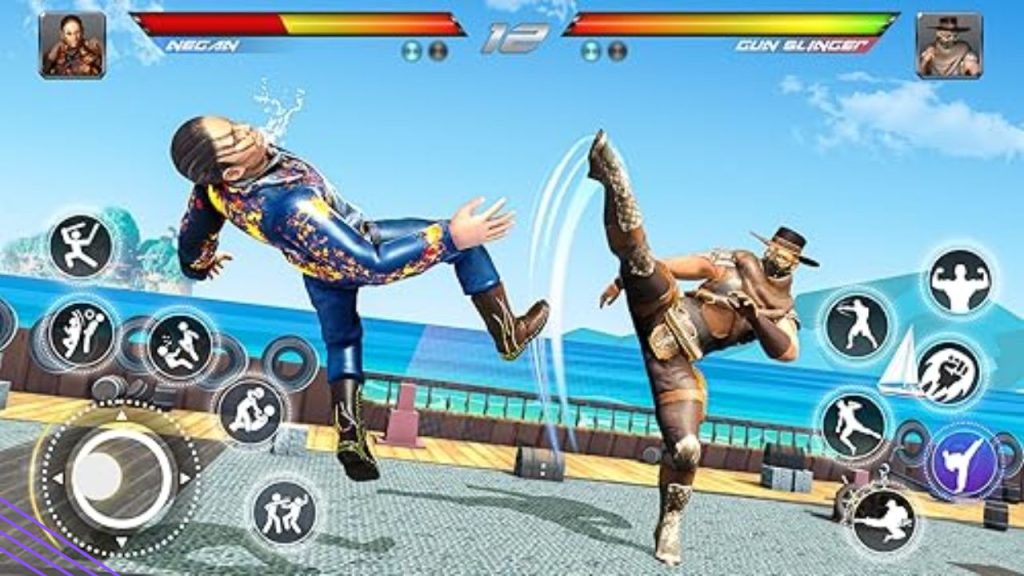
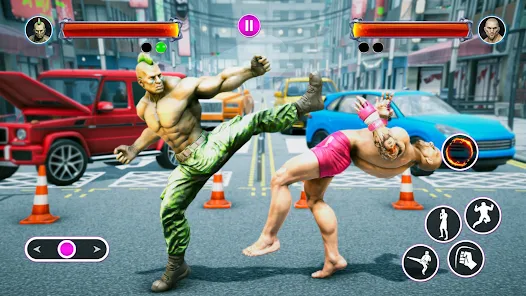
The mobile gaming market has also embraced online fighting games. Smartphones now support multiplayer experiences with impressive graphics and responsive controls. Titles like Brawlhalla and mobile adaptations of popular franchises attract millions of users globally. Mobile accessibility enables players to compete anytime and anywhere. As hardware capabilities improve, mobile fighting games continue narrowing the gap with console and PC experiences. This growth expands the genre’s reach and introduces new players to competitive gaming.
Artificial Intelligence in Fighting Games
Artificial intelligence increasingly influences modern online fighting games. AI-powered systems assist matchmaking, improve tutorials, and create adaptive opponents for training. Developers use machine learning to analyze gameplay data and balance characters effectively. These advancements enhance player experiences while maintaining competitive fairness. Future innovations may further personalize learning systems and improve game design. AI technology continues shaping the next generation of fighting games in exciting ways.
Challenges Facing the Genre
Despite their popularity, online fighting games face several challenges. High skill ceilings can discourage newcomers, while balancing large rosters remains difficult for developers. Network stability and cheating prevention also require constant attention. Maintaining active communities over long periods demands regular updates and support. Developers must carefully balance accessibility with competitive depth. Addressing these issues remains essential for sustaining long-term growth within the genre.
The Future of Online Fighting Games
The future of online fighting games appears extremely promising. Improved internet infrastructure, cloud gaming, and AI technologies continue enhancing player experiences. Virtual reality may eventually introduce immersive combat systems that redefine gameplay. Developers are increasingly embracing cross-platform support and rollback netcode as industry standards. Growing esports investments and global communities ensure continued expansion. As technology evolves, fighting games will likely remain at the forefront of competitive gaming innovation.
Internal Linking Suggestions for SEO
For stronger SEO performance, websites covering online fighting games should include internal links to related topics. Suggested articles include “Best Gaming PCs for Esports,” “How Rollback Netcode Works,” “Top Competitive Games in 2026,” and “Guide to Building an Esports Career.” Internal linking improves navigation, boosts engagement, and strengthens topical authority. Search engines better understand content relationships through structured linking strategies.
Conclusion
From arcade roots to global esports stages, online fighting games have experienced remarkable growth and transformation. The genre combines skill, strategy, community, and innovation in ways few gaming experiences can match. Features like rollback netcode, cross-platform play, and accessibility options continue expanding their appeal. Iconic franchises such as Street Fighter, Tekken, and Mortal Kombat remain central to gaming culture while inspiring future generations of players. As technology advances and communities grow stronger, online fighting games are poised to remain a major force in the entertainment industry for years to come.
FAQs
1. What are online fighting games?
Online fighting games are competitive multiplayer games where players battle each other over the internet using unique characters and combat mechanics.
2. Which is the best online fighting game in 2026?
Popular choices include Street Fighter 6, Tekken 8, and Mortal Kombat 1, depending on player preferences.
3. What is rollback netcode?
Rollback netcode is online technology that improves match quality by reducing lag and ensuring smoother gameplay.
4. Are online fighting games beginner-friendly?
Yes. Many modern titles include tutorials, simplified controls, and training modes for newcomers.
5. Can I play fighting games across different platforms?
Many modern games support cross-platform play, allowing PC and console players to compete together.
6. Are fighting games part of esports?
Absolutely. Major tournaments like EVO attract professional players and large global audiences.