
Introduction
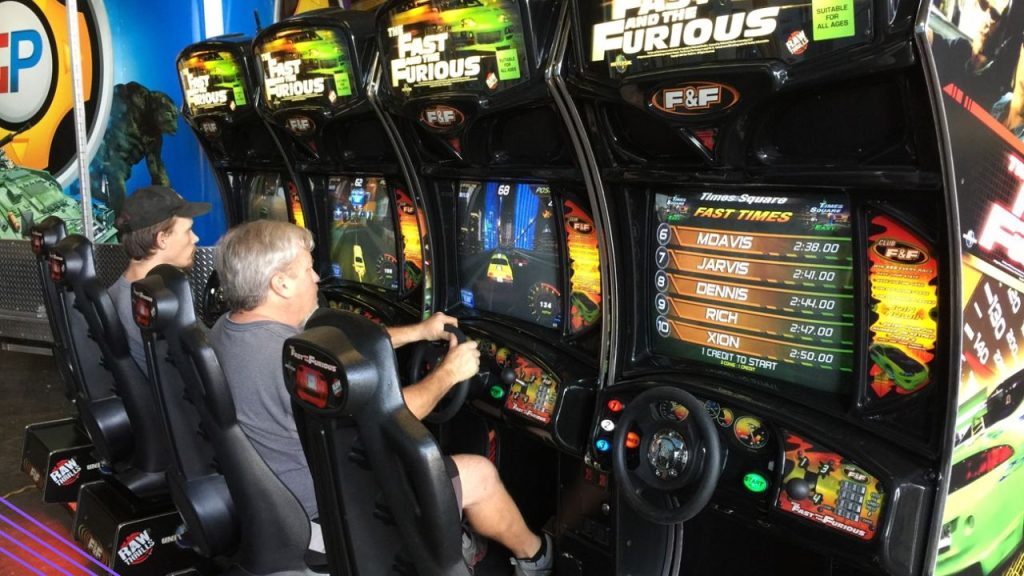
The world of video games has undergone remarkable transformations over the decades, but few genres have maintained their universal appeal like arcade driving games. From coin-operated machines in bustling arcades to modern consoles and PCs, these games have consistently delivered thrilling experiences centered around speed, competition, and excitement. Unlike realistic simulators, arcade driving games focus on accessibility, fast-paced gameplay, and fun mechanics that appeal to players of all skill levels. Iconic franchises such as Out Run, Cruis’n USA, and Burnout have shaped gaming history and inspired countless developers. This article explores the history, innovations, cultural impact, and future of arcade driving games, highlighting why they remain beloved worldwide.
The Origins of Arcade Driving Games
The roots of arcade driving games can be traced back to the 1970s, when early electronic games began appearing in public arcades. One of the earliest examples was Speed Race (1974), developed by Taito, which introduced players to vehicle-based gameplay. As technology advanced, developers created more engaging experiences featuring scrolling roads and increasing speeds. These early titles established the foundations for racing mechanics that continue influencing modern games. Players were captivated by the thrill of controlling vehicles and competing for high scores. The success of these pioneering games demonstrated the strong appeal of racing experiences in interactive entertainment.
The Golden Age of Arcade Racing
The 1980s and 1990s marked the golden era of arcade driving games. Arcades became social hubs where players gathered to compete and showcase their skills. Developers introduced innovative cabinets with steering wheels, pedals, and motion systems that enhanced immersion. During this period, games such as Out Run (1986) and Daytona USA (1994) achieved legendary status. Their colorful visuals, memorable soundtracks, and engaging gameplay captivated audiences worldwide. This era established many design principles still used in modern arcade racers. The popularity of arcade racing helped shape gaming culture and inspired future generations of developers.
Out Run and a Revolution in Driving Games
Released in 1986 by SEGA, Out Run remains one of the most influential arcade driving games ever created. Designed by Yu Suzuki, the game introduced branching routes, scenic environments, and an unforgettable soundtrack. Unlike traditional racing games focused solely on competition, Out Run emphasized the joy of driving. Players experienced freedom and exploration while racing against time. Its innovative design significantly impacted future racing titles and established new standards for arcade experiences. Decades later, Out Run continues to be celebrated as a masterpiece of gaming history.
Daytona USA and Competitive Racing
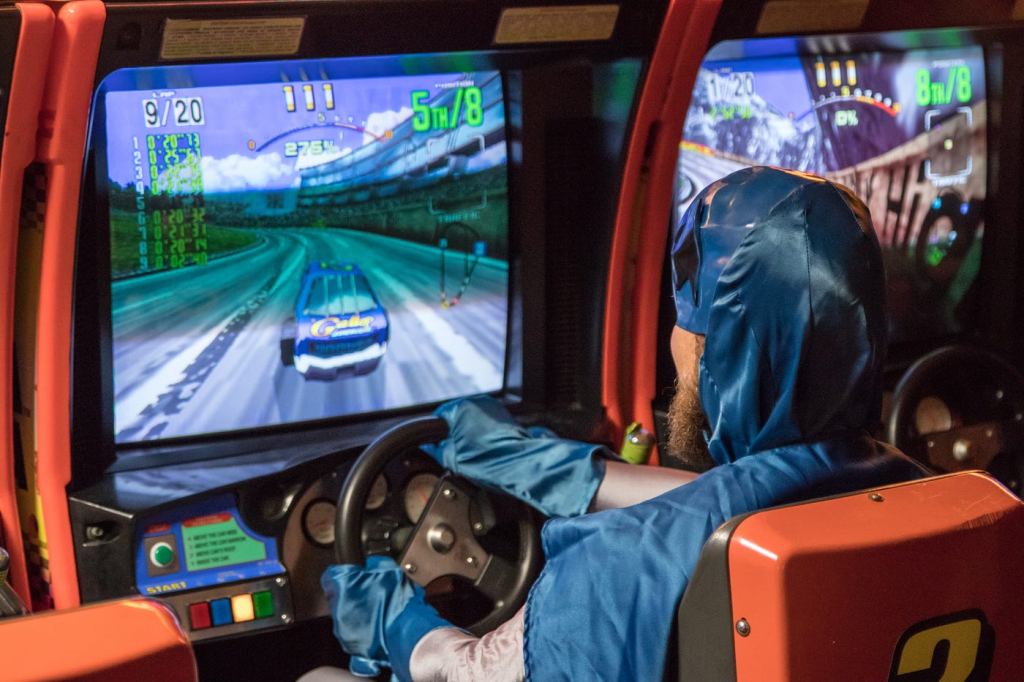
Few arcade driving games achieved the popularity of Daytona USA, launched by SEGA in 1994. The game featured advanced 3D graphics, realistic car handling for its time, and multiplayer competition. Its iconic soundtrack and energetic gameplay attracted players globally. Daytona USA demonstrated how technological innovation could enhance immersion and competitiveness. The game became a staple in arcades and influenced many future racing titles. Even today, it remains a symbol of the golden age of arcade gaming.
The Difference Between Arcade and Simulation Racing
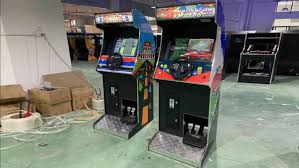
A key characteristic of arcade driving games is their focus on accessibility and entertainment. Unlike simulation racers that prioritize realism, arcade titles emphasize exaggerated physics, easy controls, and high-speed action. This approach makes them enjoyable for both casual and experienced players. Simulation games often require technical driving skills, while arcade racers encourage experimentation and excitement. The coexistence of these styles ensures diverse experiences for gaming audiences. Understanding this distinction helps explain the enduring popularity of arcade racing.
Technological Innovations in Arcade Cabinets
Arcade hardware played a major role in the success of arcade driving games. Advanced cabinets featured steering wheels, force feedback, pedals, and even motion systems. These innovations created immersive experiences difficult to replicate elsewhere. Developers continually pushed hardware capabilities to attract players. The evolution of arcade technology contributed significantly to gaming innovation. Many features introduced in arcades eventually influenced home gaming systems.
Multiplayer Experiences and Social Gaming
One reason arcade driving games became so popular was their social nature. Multiplayer cabinets allowed friends to race against each other, creating memorable competitive experiences. Arcades served as gathering places where players shared strategies and celebrated victories. This social aspect contributed greatly to the genre’s appeal. Modern online multiplayer systems continue this tradition by connecting players globally. The spirit of competition remains central to arcade racing experiences.
Burnout and High-Speed Action
The Burnout franchise brought a fresh perspective to arcade driving games by emphasizing speed and spectacular crashes. Released in the early 2000s, the series rewarded aggressive driving and risky maneuvers. Features such as Crash Mode became fan favorites due to their explosive gameplay. Burnout demonstrated how arcade racing could evolve while maintaining accessibility. Its influence remains visible in many modern racing titles.
Need for Speed and Street Racing Culture
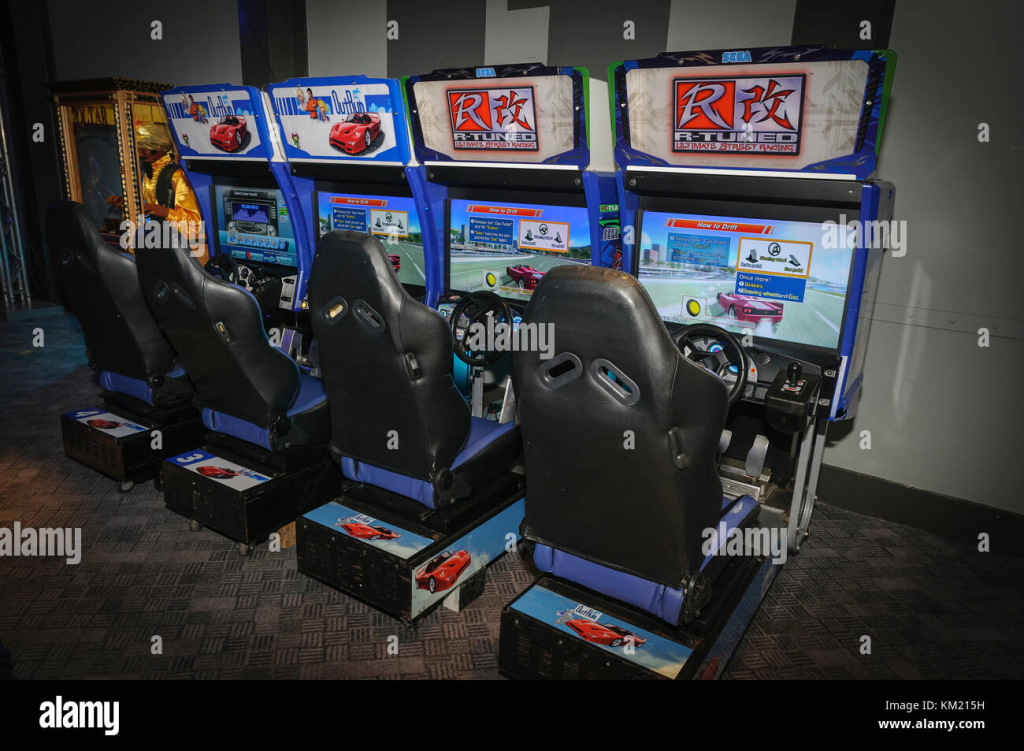
The Need for Speed series played a crucial role in expanding the popularity of arcade driving games. Combining street racing, police chases, and extensive customization, the franchise attracted millions of players. Titles such as Need for Speed: Underground popularized car tuning culture within gaming. The series successfully balanced realism with arcade-style excitement. Its impact extends beyond gaming into broader automotive culture.
Open-World Arcade Racing Experiences
Modern arcade driving games increasingly feature open-world environments that encourage exploration. Games such as Forza Horizon allow players to drive freely across vast landscapes while participating in races and challenges. Open-world design increases immersion and replayability. Dynamic weather and day-night cycles further enhance realism. This evolution reflects changing player expectations and technological advancements.
Vehicle Customization Features
Customization remains an important aspect of many arcade driving games. Players can modify vehicle appearance and performance to suit personal preferences. Paint jobs, body kits, and performance upgrades increase engagement and creativity. Customization systems also encourage long-term progression and replayability. The ability to personalize vehicles strengthens player investment in racing experiences.
Soundtracks That Defined Generations
Music has always played a significant role in arcade driving games. Iconic soundtracks enhance immersion and create memorable experiences. Games like Out Run became famous for their selectable music tracks. Energetic sound design contributes to excitement and emotional engagement. Memorable music often becomes closely associated with beloved games, strengthening nostalgia among players.
The Rise of Online Multiplayer Racing
The internet transformed arcade driving games by enabling global competition. Online multiplayer systems allow players to race against opponents worldwide. Leaderboards, tournaments, and ranked modes add competitive depth. Regular updates and seasonal events maintain player engagement. Online connectivity has significantly extended the lifespan of racing games in the modern era.
Mobile Arcade Driving Games
Smartphones have expanded access to arcade driving games. Mobile titles offer convenient experiences with impressive graphics and intuitive controls. Millions of players enjoy racing games on portable devices daily. Mobile gaming has introduced new audiences to the genre while maintaining core gameplay principles. This accessibility contributes to the continued growth of arcade racing.
Virtual Reality and Immersive Driving
Virtual reality technologies are shaping the future of arcade driving games. VR headsets create immersive cockpit experiences and realistic perspectives. Players can experience speed and motion more intensely than ever before. As VR hardware improves, developers continue exploring innovative racing experiences. This technology may redefine the future of interactive driving entertainment.
Esports and Competitive Racing
Competitive gaming has expanded into the world of arcade driving games. Professional tournaments attract skilled players and dedicated audiences. Racing esports events continue growing in popularity and sponsorship opportunities. Competitive environments encourage mastery and long-term engagement. Esports demonstrate the evolving significance of racing games within the gaming industry.
The Lasting Cultural Impact of Arcade Driving Games
The influence of arcade driving games extends beyond entertainment. These games shaped gaming culture, inspired automotive enthusiasts, and influenced modern game design. Iconic franchises remain beloved across generations. Their combination of accessibility and excitement continues attracting new players. The genre’s cultural significance highlights its enduring legacy within interactive media.
Internal Linking Suggestions for SEO
To improve SEO performance, websites discussing arcade driving games should include internal links to related content. Suggested articles include “Best Racing Games of All Time,” “History of Arcade Gaming,” “Top Open-World Racing Games,” and “Arcade vs Simulation Racing Explained.” Internal linking improves navigation, strengthens topical authority, and enhances user engagement.
Conclusion
The journey of arcade driving games reflects the evolution of gaming itself. From early arcade cabinets to modern online experiences, these games have consistently delivered excitement and accessibility. Iconic titles such as Out Run, Daytona USA, and Burnout shaped the genre while inspiring future innovations. Technological advancements continue expanding possibilities through virtual reality, online multiplayer, and open-world design. Despite changing trends, arcade driving games remain beloved because they capture the universal joy of speed and competition. Their lasting impact ensures they will continue entertaining players for generations to come.
FAQs
1. What are arcade driving games?
Arcade driving games focus on fun, fast-paced racing with simplified controls and exaggerated physics.
2. What is the difference between arcade and simulation racing?
Arcade racing emphasizes accessibility, while simulation racing prioritizes realism and technical driving.
3. Which arcade driving game is most famous?
Out Run and Daytona USA are among the most iconic arcade racing games ever created.
4. Are arcade driving games available on modern consoles?
Yes. Many modern titles continue the arcade racing tradition on consoles and PCs.
5. Can arcade driving games be played online?
Many modern racing games include online multiplayer and competitive modes.
6. Are arcade driving games suitable for beginners?
Absolutely. Their easy controls and accessible gameplay make them ideal for all skill levels.