
Introduction
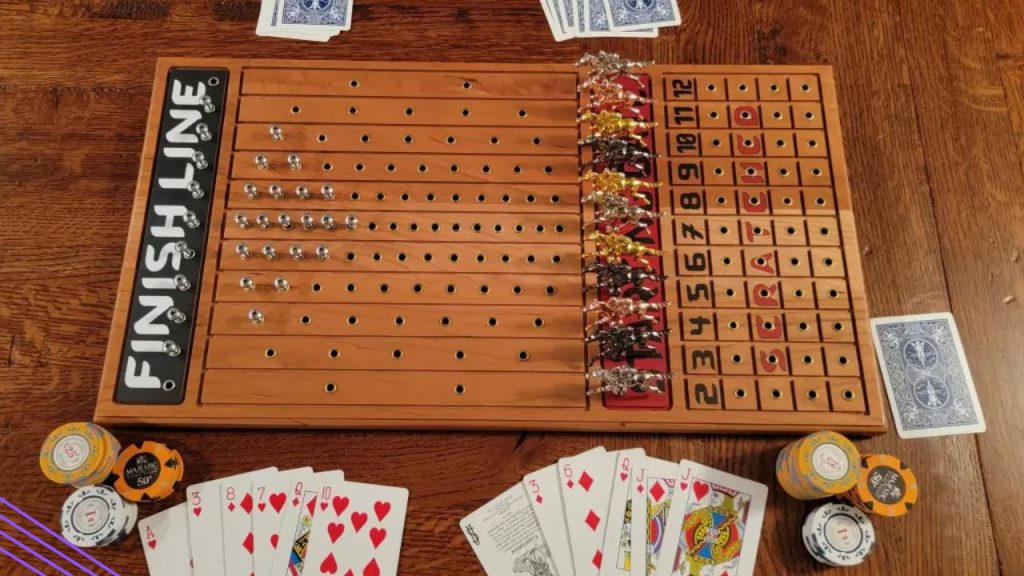
The excitement of horse racing has fascinated people for centuries, inspiring not only sporting events but also entertainment in many forms. Among these, the horse racing game board has become a popular tabletop experience that combines strategy, luck, and social interaction. From classic family games to modern racing simulations, horse racing board games have entertained players of all ages. These games capture the thrill of competition while offering an accessible and engaging experience at home. Whether played casually with family or competitively among enthusiasts, the horse racing game board genre continues to thrive. This article explores its history, mechanics, evolution, and lasting cultural impact in the world of tabletop gaming.
The Origins of Horse Racing Board Games
The roots of the horse racing game board can be traced back to traditional betting games and tabletop entertainment from the 18th and 19th centuries. Horse racing was already a major sport in countries such as the United Kingdom and the United States, making it a natural inspiration for board games. Early versions often used dice, cards, and miniature horse figures to simulate races. These games allowed players to experience the excitement of the racetrack without attending live events. As board gaming evolved, designers introduced more sophisticated mechanics and strategic elements. The popularity of horse racing culture significantly influenced the growth of this unique gaming category.
Why Horse Racing Themes Became Popular
Horse racing has long been associated with speed, competition, and prestige. These qualities translate perfectly into tabletop experiences. A horse racing game board captures the suspense of unpredictable outcomes while maintaining simple rules for players of all ages. The combination of chance and strategy keeps every session exciting. Families enjoy the social aspect of racing games, while enthusiasts appreciate deeper tactical elements. The universal appeal of horse racing contributed to the enduring success of these board games across different cultures and generations.
Classic Horse Racing Board Games Through History
Several classic games helped establish the horse racing game board genre. Titles such as Royal Turf, Long Shot, and Winner’s Circle became favorites among board game enthusiasts. These games introduced betting mechanics, player interaction, and strategic decision-making. Over time, designers expanded upon these ideas, creating increasingly complex and engaging experiences. Many classic titles remain popular today due to their timeless gameplay and replayability. Their influence can still be seen in modern horse racing-themed games.
Components of a Horse Racing Game Board
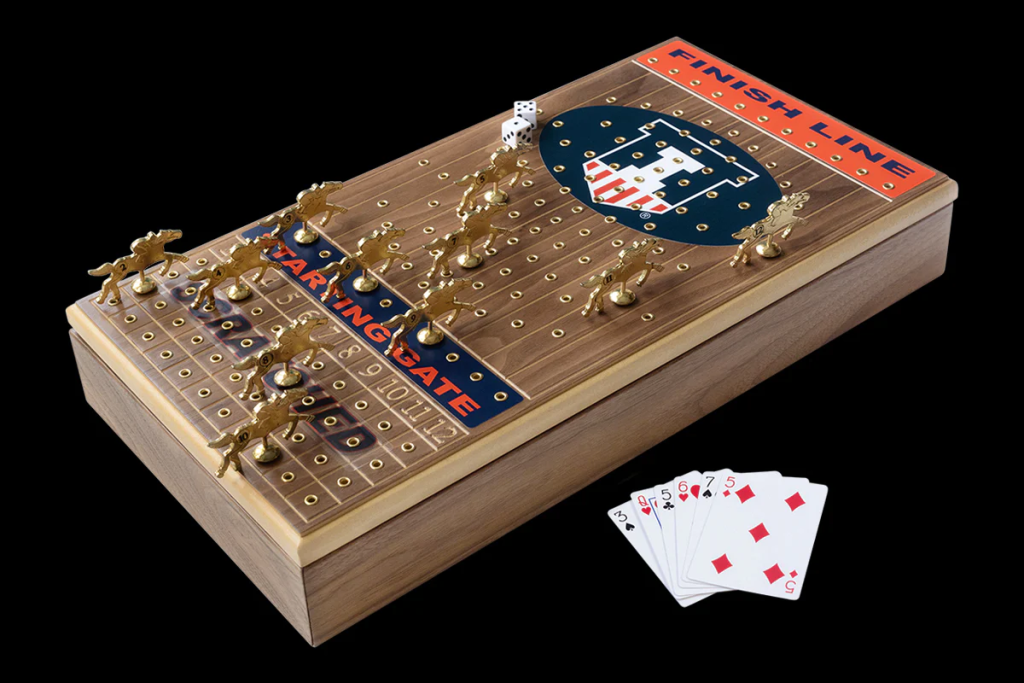
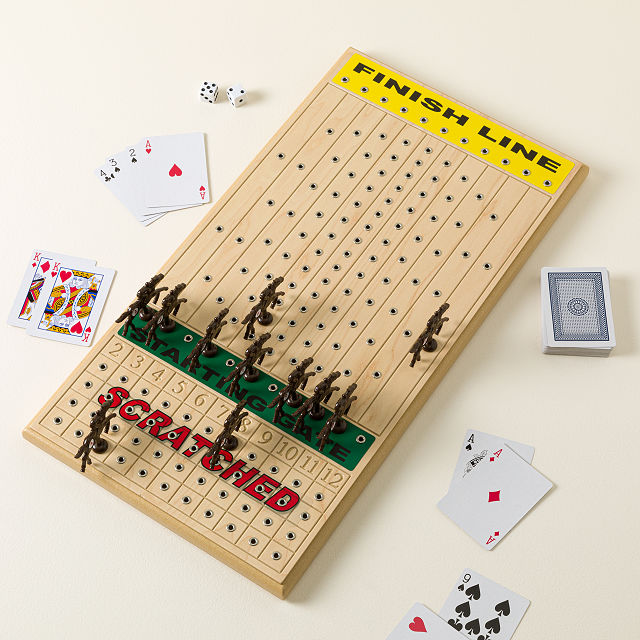
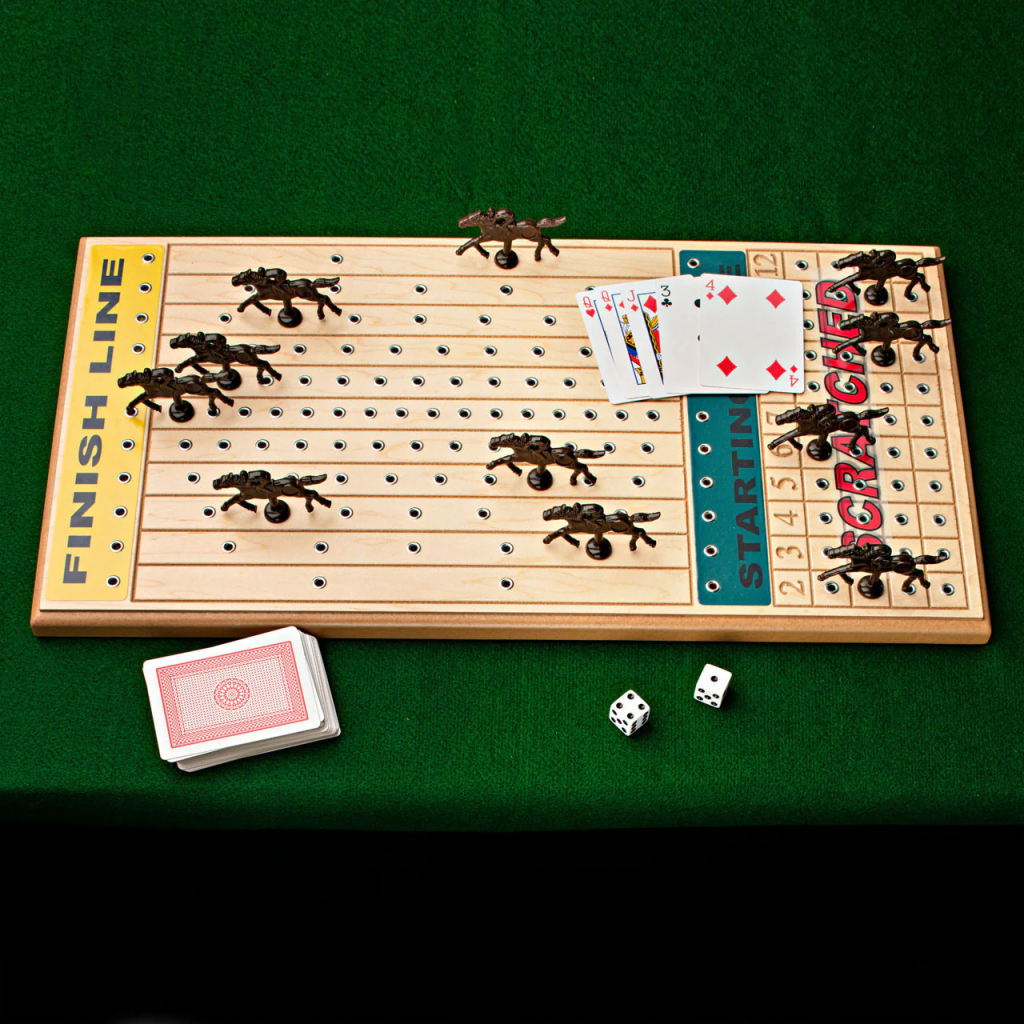
A traditional horse racing game board typically includes several essential components. Players often receive miniature horses, betting tokens, dice, cards, and a race track board. Some games feature detailed artwork and realistic racing environments to enhance immersion. Components vary depending on the game’s complexity and target audience. Premium editions may include high-quality miniatures and advanced mechanics. These physical elements contribute significantly to the enjoyment and visual appeal of tabletop racing experiences.
Understanding Basic Gameplay Mechanics
Most horse racing game board titles revolve around moving horses along a track based on dice rolls, cards, or strategic decisions. Players may place bets, manage resources, or influence race outcomes. Randomness ensures unpredictability, while strategy rewards careful planning. The balance between luck and skill creates engaging gameplay that appeals to diverse audiences. Understanding these mechanics helps players appreciate the depth and excitement of horse racing board games.
Strategy and Decision-Making in Racing Games
Although chance plays a role, many horse racing game board experiences involve meaningful strategic decisions. Players must decide when to bet, which horses to support, and how to allocate resources. Timing and risk management often determine success. Experienced players learn to anticipate opponents’ actions and adapt strategies accordingly. This strategic depth distinguishes horse racing games from simpler family titles and increases replay value.
The Role of Betting Mechanics
Betting systems are central to many horse racing game board designs. Players wager on race outcomes, creating tension and excitement. Effective betting mechanics encourage calculated risks and strategic thinking. Some games reward players based on odds, while others introduce hidden information for added complexity. Betting elements simulate real-world horse racing while maintaining family-friendly gameplay. These systems remain one of the genre’s defining characteristics.
Family Entertainment and Social Interaction
A major reason for the popularity of the horse racing game board is its ability to bring people together. Families and friends gather around the table to enjoy competition and shared experiences. Board games encourage communication, laughter, and social bonding. Unlike digital entertainment, tabletop games promote face-to-face interaction. This social aspect contributes significantly to the enduring appeal of horse racing board games.
Educational Benefits of Board Gaming
Playing a horse racing game board can provide educational value beyond entertainment. Players develop critical thinking, probability analysis, and decision-making skills. Younger participants learn counting and strategic planning through gameplay. These educational benefits make board games attractive to parents and educators. Learning through play remains one of the strengths of tabletop gaming experiences.
Modern Innovations in Horse Racing Board Games
Modern designers continue improving the horse racing game board genre through innovative mechanics and themes. New games incorporate advanced strategies, cooperative elements, and dynamic race systems. Improved artwork and premium components enhance immersion. Crowdfunding platforms have also enabled independent creators to introduce fresh ideas to the market. Innovation ensures the genre remains relevant in today’s competitive gaming landscape.
Digital Adaptations and Hybrid Experiences
Technology has influenced the evolution of the horse racing game board through digital adaptations and companion apps. Some games integrate mobile applications that manage races or track scores. Hybrid designs combine physical components with digital features, creating interactive experiences. These innovations attract younger audiences while preserving traditional gameplay. Digital integration demonstrates how board games continue evolving alongside technology.
Collectibility and Premium Editions
Collectors often seek rare or deluxe versions of horse racing game board titles. Limited editions featuring high-quality miniatures and artwork can become valuable over time. Collecting board games has become increasingly popular among enthusiasts. Premium releases appeal to players who appreciate craftsmanship and design. The collectibility aspect adds another dimension to the hobby.
Horse Racing Board Games Around the World
Different cultures have embraced the horse racing game board in unique ways. Countries with strong horse racing traditions often produce localized games inspired by regional events and customs. International variations introduce diverse mechanics and themes. This global appeal demonstrates the universal fascination with horse racing and tabletop competition.
The Psychology of Competitive Gameplay
The excitement generated by a horse racing game board reflects fundamental aspects of human psychology. Competition, uncertainty, and rewards create emotional engagement. Players experience anticipation during races and satisfaction from successful strategies. Understanding these psychological elements helps explain why horse racing games remain enjoyable across generations.
Choosing the Best Horse Racing Board Game
Selecting the ideal horse racing game board depends on player preferences and experience levels. Families may prefer simple games with easy rules, while enthusiasts often seek deeper strategic experiences. Factors such as playtime, complexity, and component quality should influence purchasing decisions. Reading reviews and watching gameplay videos can help buyers make informed choices.
The Future of Horse Racing Board Games
The future of the horse racing game board appears promising as designers continue experimenting with new mechanics and technologies. Hybrid games, artificial intelligence, and online features may shape future experiences. Growing interest in tabletop gaming ensures continued innovation and market expansion. The genre’s blend of competition and social interaction remains timeless.
Internal Linking Suggestions for SEO
Websites covering the horse racing game board niche should include internal links to related content. Suggested articles include “Best Family Board Games,” “Guide to Strategy Board Games,” “History of Tabletop Gaming,” and “How Betting Mechanics Work in Board Games.” Internal linking improves user experience and strengthens SEO performance by establishing topical authority.
Conclusion
The horse racing game board remains a fascinating part of tabletop gaming history. Combining competition, strategy, and social interaction, these games continue entertaining players worldwide. From classic designs to modern innovations, horse racing board games have evolved while preserving their core appeal. Their educational benefits, collectible value, and engaging gameplay ensure continued popularity across generations. As technology and creativity shape the future of tabletop gaming, horse racing games will likely remain a beloved choice for families and enthusiasts alike.
FAQs
1. What is a horse racing game board?
A horse racing game board is a tabletop game that simulates horse racing using tracks, miniatures, dice, or cards.
2. Are horse racing board games suitable for families?
Yes. Many titles are designed for players of all ages and encourage social interaction.
3. Do horse racing board games involve strategy?
Absolutely. Many games combine luck with strategic decisions and betting mechanics.
4. What are popular horse racing board games?
Popular titles include Long Shot, Royal Turf, and Winner’s Circle.
5. Can horse racing board games be educational?
Yes. They help develop critical thinking, probability analysis, and decision-making skills.
6. Are there digital versions of horse racing board games?
Some modern games include companion apps or digital adaptations for enhanced gameplay.