

Introduction
The potato sack game is one of the most beloved outdoor activities enjoyed by children and adults around the world. This simple yet entertaining race involves participants hopping toward a finish line while standing inside a sack. Despite its straightforward concept, the game has remained popular for generations because it combines physical activity, competition, and laughter.
Whether played at school sports days, family gatherings, birthday parties, community festivals, or corporate team-building events, the potato sack game continues to bring people together. Its low cost, minimal equipment requirements, and universal appeal make it an ideal activity for nearly any occasion. In this guide, we will explore the history, rules, benefits, variations, and cultural significance of this timeless game.
What Is the Potato Sack Game?
The potato sack game, often called a sack race, is a competitive hopping race where players stand inside large sacks and move toward a designated finish line by jumping. The challenge lies in maintaining balance while moving quickly.
Traditionally, burlap sacks originally used for carrying potatoes were utilized, giving the game its name. Today, specially designed race sacks made from durable materials are commonly used. The objective remains simple: reach the finish line before competitors without falling or stepping out of the sack. This combination of skill, coordination, and speed creates a fun and exciting experience for participants of all ages.
The Origins of the Potato Sack Game
The exact origin of the potato sack game is difficult to pinpoint, but historians believe sack racing became popular during the late nineteenth century. Agricultural communities often used empty potato or grain sacks as inexpensive recreational equipment during local fairs and celebrations.
As community events expanded throughout Europe and North America, sack races became a standard attraction. Schools later adopted the activity as part of sports days because it encouraged physical fitness and friendly competition. Over time, the game spread globally and became a recognizable feature of outdoor entertainment. Its enduring popularity demonstrates how simple activities can create lasting memories across generations.
Why the Potato Sack Game Remains Popular
Many traditional games have faded over time, yet the potato sack game continues to thrive. One reason is its accessibility. Participants need only a sack and an open area to play.
Another factor is the game’s universal appeal. Children enjoy the challenge of hopping, while adults appreciate the nostalgia associated with childhood events. The game also encourages spectators to engage because the unpredictable nature of the race often leads to humorous moments. This blend of simplicity, excitement, and social interaction ensures that the potato sack game remains relevant in modern recreational activities.
Basic Equipment Needed
One of the biggest advantages of the potato sack game is the minimal equipment required. Organizers typically need:
- Large race sacks or burlap sacks
- Open playing area
- Starting and finish markers
- Safety cones if necessary
- Whistle for race officials
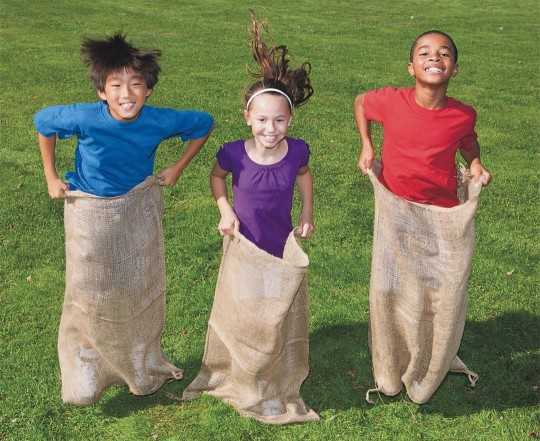
Modern race sacks are available in various sizes to accommodate children, teenagers, and adults. Choosing appropriate sacks ensures participant safety and enhances the overall experience. The simplicity of these requirements makes the game affordable and easy to organize.
How to Set Up a Potato Sack Race
Setting up a potato sack game requires only a few simple steps. Begin by selecting a flat, obstacle-free area such as a grassy field or playground. Mark a clear starting line and finish line using cones, chalk, or flags.
Participants should be given sacks appropriate for their height. The distance between the start and finish can vary depending on age groups. Younger children may race over shorter distances, while adults can handle longer courses. Once participants understand the rules, the race can begin. Proper setup helps create a safe and enjoyable environment for everyone involved.
Official Rules of the Potato Sack Game
The rules of the potato sack game are straightforward and easy to understand. Each participant places both legs inside a sack and holds the sack securely around their waist.
When the race starts, players hop toward the finish line without removing their feet from the sack. Competitors who fall may continue racing as long as they remain inside the sack. Stepping outside the sack typically results in disqualification. The winner is the first participant to cross the finish line while following all rules. These simple guidelines make the game suitable for players of all skill levels.
Skills Required to Win
Although the potato sack game appears simple, success requires several important skills. Balance is essential because hopping while confined inside a sack can be challenging. Coordination helps participants maintain momentum and avoid falling.
Leg strength also plays a significant role, particularly in longer races. Experienced racers often develop rhythmic hopping techniques that maximize speed while conserving energy. Concentration and quick recovery after stumbles can make the difference between victory and defeat. These physical and mental skills contribute to the game’s competitive appeal.
Physical Benefits of Playing
The potato sack game provides numerous physical benefits. Hopping engages major muscle groups, including the quadriceps, calves, hamstrings, and core muscles. Participants also improve cardiovascular endurance through sustained physical activity.
Balance and coordination naturally develop as players attempt to move efficiently while maintaining stability. For children, the game supports motor skill development and encourages active play. Adults benefit from a fun form of exercise that promotes movement without feeling like a traditional workout. These health advantages contribute to the game’s continued popularity.
Mental and Social Benefits
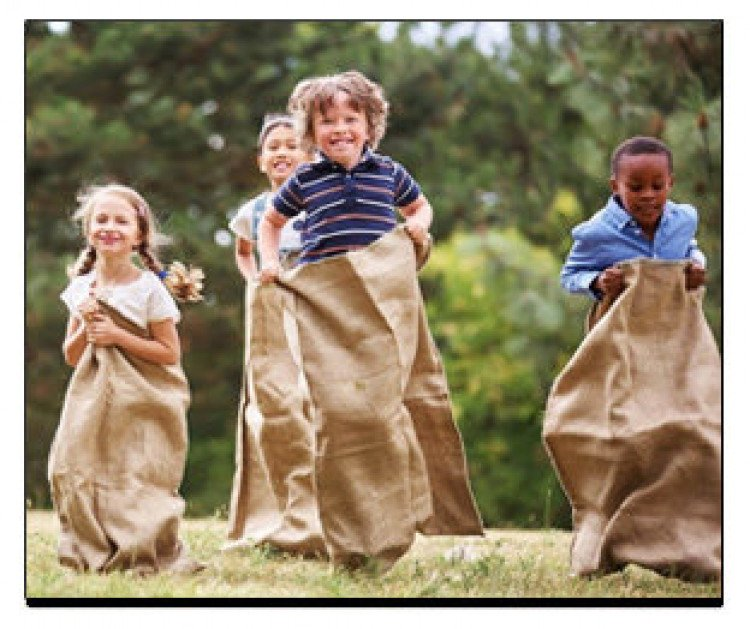
Beyond physical fitness, the potato sack game offers valuable mental and social benefits. Players learn perseverance by overcoming challenges such as falls and obstacles during races.
The activity encourages teamwork, communication, and sportsmanship when played in group settings. Friendly competition helps participants develop confidence and resilience. Laughter and shared experiences strengthen social connections among family members, classmates, coworkers, and friends. These positive interactions make the game more than just a race; it becomes a meaningful community-building activity.
Potato Sack Game for Children
Children are among the biggest fans of the potato sack game. The activity allows young participants to burn energy while developing important physical skills. Schools frequently include sack races during field days because they encourage active participation regardless of athletic ability.
The game also helps children learn valuable lessons about determination and fair play. Since success depends on coordination rather than strength alone, many children feel confident participating. This inclusiveness makes the activity enjoyable for a wide range of age groups and skill levels.
Potato Sack Game for Adults
Although often associated with childhood, the potato sack game is equally entertaining for adults. Community festivals, company picnics, and family reunions frequently feature adult sack races.
Adults often find the game nostalgic because it reminds them of school events and childhood competitions. The physical challenge becomes even more amusing when participants attempt to maintain balance while racing against friends or coworkers. This combination of exercise and entertainment makes sack races a popular feature at social gatherings.
Popular Variations of the Potato Sack Game
Over the years, organizers have developed numerous variations of the potato sack game. These creative adaptations keep the activity fresh and engaging.
Popular variations include relay races, obstacle courses, backward hopping competitions, and partner sack races. Some events incorporate themed costumes or team challenges to enhance entertainment value. These modifications allow organizers to customize the experience for different audiences while maintaining the core elements that make the game enjoyable.

Team-Based Sack Race Challenges
Team-based versions of the potato sack game add an extra layer of excitement. In relay races, team members take turns hopping to designated points before passing the sack to the next participant.
These competitions encourage collaboration and strategic planning. Team members often cheer each other on, creating a lively atmosphere that enhances spectator engagement. Corporate team-building programs frequently use sack race relays because they promote communication and teamwork while providing a fun and memorable experience.
Safety Tips for Players
Safety should always be a priority during a potato sack game. Organizers should inspect the playing area for hazards such as rocks, holes, or uneven surfaces. Grass fields generally provide the safest environment.
Participants should wear comfortable clothing and supportive footwear. Adequate spacing between racers reduces the risk of collisions. Younger children may require supervision to ensure safe participation. By following these precautions, organizers can minimize injuries and create a positive experience for everyone involved.
Organizing a Potato Sack Game at Parties
The potato sack game is a fantastic addition to birthday parties, school events, and family celebrations. Organizers can create age-specific races and offer prizes for winners to increase excitement.
Decorations, themed sacks, and music can enhance the overall atmosphere. Including multiple race categories ensures that participants of different ages have opportunities to compete. The game’s simplicity makes it easy to incorporate into almost any event schedule, providing entertainment that appeals to both participants and spectators.
Potato Sack Game in School Sports Days
School sports days have long featured the potato sack game as a staple event. Educators appreciate the activity because it promotes physical fitness, teamwork, and healthy competition.
Unlike some sports that require specialized equipment or extensive training, sack races allow nearly all students to participate. The game encourages inclusivity and helps create memorable experiences that students often remember for years. Its educational and recreational value continues to make it a favorite among schools worldwide.
Cultural Importance Around the World
The potato sack game appears in festivals and community events across many countries. While specific traditions vary, the game’s fundamental concept remains consistent: friendly competition through hopping races.
In some regions, sack races are featured during harvest celebrations, agricultural fairs, and cultural festivals. Their connection to farming history adds a unique historical dimension. This widespread presence highlights the game’s universal appeal and demonstrates how simple recreational activities can transcend cultural boundaries.
Modern Adaptations and Digital Influence
Even in the digital age, the potato sack game remains relevant. Social media platforms frequently showcase sack race challenges, introducing the activity to new audiences. Event organizers often incorporate creative themes and modern materials to refresh the traditional format.
Virtual event planners have even developed online versions using fitness challenges inspired by sack racing principles. While technology continues to transform entertainment, the physical and social elements of the game remain irreplaceable. This adaptability helps ensure its continued popularity for future generations.
Why the Potato Sack Game Is a Timeless Classic
The enduring success of the potato sack game stems from its simplicity, affordability, and universal appeal. Few activities require so little equipment while providing so much enjoyment. Participants experience physical exercise, social interaction, and friendly competition in a single event.
Its ability to connect generations is particularly remarkable. Grandparents, parents, and children can all participate together, creating shared memories that strengthen family and community bonds. This timeless quality ensures that the game remains relevant regardless of changing recreational trends.
Conclusion
The potato sack game is far more than a simple hopping race. With roots tracing back to agricultural communities, it has evolved into a globally recognized activity enjoyed at schools, festivals, parties, and corporate events. Its combination of physical fitness, social interaction, affordability, and entertainment makes it one of the most enduring outdoor games ever created.
Whether you are organizing a community event, planning a birthday party, or looking for an engaging outdoor activity, the potato sack game offers a proven formula for fun and excitement. Its timeless appeal ensures that future generations will continue to enjoy this classic race for many years to come.
Frequently Asked Questions (FAQs)
1. What is a potato sack game?
A potato sack game is a hopping race where participants stand inside sacks and race to a finish line without stepping out.
2. Why is it called a potato sack game?
The game originally used burlap sacks that were commonly used for transporting potatoes, which inspired its name.
3. Is the potato sack game suitable for adults?
Yes. Adults frequently participate in sack races at festivals, family gatherings, company events, and community celebrations.
4. What muscles does the potato sack game use?
The game primarily engages the legs, calves, quadriceps, hamstrings, and core muscles while also improving balance and coordination.
5. How can I make a potato sack race more exciting?
You can add relay formats, obstacle courses, themed costumes, team competitions, and prizes for participants.
6. Is the potato sack game safe for children?
Yes, when played on a flat surface with proper supervision and age-appropriate equipment.
7. What equipment is needed for a potato sack game?
You need race sacks, a safe open area, start and finish markers, and optional cones for course boundaries