
Introduction
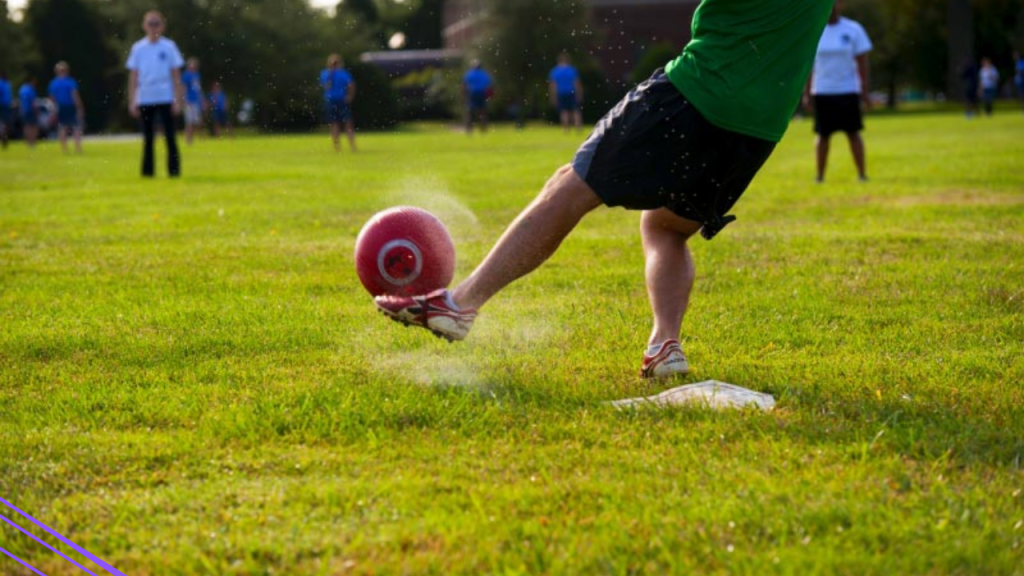
The kick ball game is one of the most enjoyable recreational sports played by children and adults around the world. Combining elements of baseball and soccer, this simple yet exciting activity requires players to kick a rubber ball instead of hitting it with a bat. Because it is easy to learn and requires minimal equipment, the game has become a favorite choice for schools, parks, community events, and family gatherings.
The popularity of the kick ball game continues to grow because it encourages teamwork, physical activity, and friendly competition. Unlike many organized sports that require expensive gear, kickball can be played almost anywhere with open space and a ball. This accessibility makes it appealing to people of all ages and skill levels. In this comprehensive guide, we will explore the history, rules, benefits, strategies, and many other aspects of the game.
What Is a Kick Ball Game?
A kick ball game is a team sport in which players score runs by kicking a ball and running around bases. The sport closely resembles baseball, but instead of using a bat, players kick a large rubber ball rolled toward them by a pitcher. Teams alternate between offense and defense while attempting to score more runs than their opponents.
The simplicity of kickball is one of its greatest strengths. New players can quickly understand the basic rules and begin participating almost immediately. Because the game focuses on kicking and running rather than complex techniques, it provides an inclusive environment where people of different athletic abilities can play together. This combination of accessibility and excitement has helped make kickball a beloved recreational sport worldwide.
The History of the Kick Ball Game
The origins of the kick ball game can be traced back to the early twentieth century. The sport was first introduced as a playground activity designed to teach children the fundamentals of baseball. Educators viewed it as an effective way to develop coordination, teamwork, and physical fitness without the challenges associated with swinging a bat.
During the 1910s and 1920s, kickball gained popularity in schools across the United States. Physical education teachers incorporated it into their lesson plans because it was safe, easy to organize, and suitable for large groups. Over time, the game expanded beyond educational settings and became a common recreational activity in parks and community centers.
Why the Kick Ball Game Became Popular
Several factors contributed to the widespread popularity of the kick ball game. First, the game requires very little equipment, making it affordable and accessible. Second, the rules are straightforward, allowing players to learn quickly without extensive training.
Another reason for its popularity is its social nature. Kickball encourages communication, teamwork, and friendly interaction among participants. Whether played casually among friends or in organized leagues, the game creates an enjoyable atmosphere that promotes community engagement. These qualities continue to attract new players every year.
Basic Equipment Needed for Kickball
One of the best things about the kick ball game is its simplicity. Only a few pieces of equipment are necessary to start playing. The most important item is a large rubber ball, typically similar to a playground ball. Players also need four bases arranged in a diamond shape.
A suitable playing field is essential as well. Many games take place on baseball diamonds, but any open area can work. Comfortable athletic clothing and running shoes are recommended for safety and performance. Since the equipment requirements are minimal, kickball remains one of the most accessible sports available.

Standard Kickball Field Layout
The playing area for a kick ball game resembles a baseball field. Four bases are positioned in a diamond pattern, including home plate, first base, second base, and third base. Players score by successfully advancing around all bases and returning to home plate.
The field also includes areas known as the infield and outfield. Defensive players position themselves strategically throughout these areas to stop kicked balls and record outs. The size of the field can vary depending on player age and available space, making kickball adaptable to different environments.
Number of Players in a Kick Ball Game
A traditional kick ball game usually consists of two teams with eight to eleven players each. However, the exact number may vary depending on league rules and field size. Each team takes turns playing offense and defense during designated innings.
The offensive team attempts to score runs by kicking the ball and advancing around the bases. Meanwhile, the defensive team works to prevent scoring opportunities by fielding the ball and getting runners out. Balanced team sizes help maintain fairness and competitiveness throughout the game.
Understanding the Main Objective
The primary goal of a kick ball game is to score more runs than the opposing team. Players earn runs by successfully traveling around all four bases and crossing home plate without being tagged out.
The team with the highest number of runs at the end of the game is declared the winner. While the objective is simple, achieving success requires teamwork, strategic thinking, and effective communication. These elements add depth and excitement to every match.
How a Kick Ball Game Starts
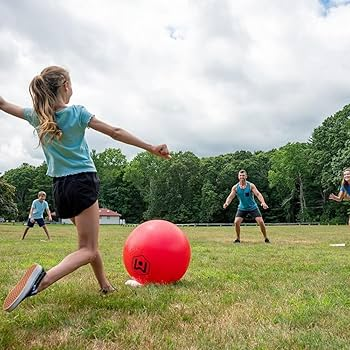
A typical kick ball game begins with the defensive team’s pitcher rolling the ball toward home plate. The offensive player, known as the kicker, attempts to kick the ball into play while avoiding an out.
Once the ball is kicked, the player runs toward first base while defenders try to retrieve the ball. The sequence continues until the offensive team records three outs. Afterward, teams switch roles, and the defensive team becomes the offensive team.
Basic Rules of the Kick Ball Game
The rules of the kick ball game are relatively simple. Players must kick the ball within designated field boundaries. If the ball lands outside these boundaries, it may be ruled foul.
Runners advance around the bases after a successful kick. Defenders can record outs by catching the ball before it touches the ground, tagging runners with the ball, or forcing runners out at a base. Understanding these fundamental rules helps ensure fair and enjoyable gameplay.
How Outs Are Recorded
Recording outs is an important defensive objective in the kick ball game. A common method involves catching a kicked ball before it hits the ground. This immediately results in an out for the kicker.
Another method is tagging a runner with the ball while they are between bases. Defenders can also achieve force outs by reaching a base before the runner arrives when a runner is required to advance. These defensive techniques create opportunities to limit scoring.
Scoring System in Kickball
Scoring in the kick ball game is straightforward. A run is awarded whenever a player successfully rounds all bases and reaches home plate safely. Teams accumulate runs throughout the game and attempt to outscore their opponents.
Many recreational leagues use a predetermined number of innings, often six or seven. The team with the highest score at the conclusion of the final inning wins. This simple scoring system contributes to the game’s widespread appeal.
Offensive Strategies for Success
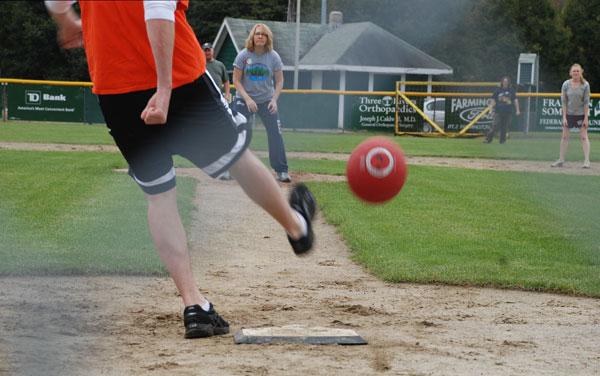
Strong offensive performance is essential in a kick ball game. Players often aim to place kicks in areas where defenders are not positioned. Strategic kicking can create opportunities to reach base safely and advance runners.
Communication among teammates also plays a critical role. Coaches and players frequently provide guidance regarding when to run, stop, or attempt additional bases. Effective offensive coordination can significantly increase scoring potential.
Defensive Strategies and Positioning
Defense is equally important in a kick ball game. Teams position players strategically to cover key areas of the field and minimize offensive opportunities. Quick reactions and teamwork help defenders respond effectively to kicked balls.
Strong communication among fielders improves efficiency and reduces mistakes. Players must decide quickly who will retrieve the ball and where it should be thrown. Well-organized defensive play often determines the outcome of closely contested games.
Physical Benefits of Playing Kickball
Participating in a kick ball game offers numerous physical health benefits. Running between bases improves cardiovascular fitness, while kicking strengthens leg muscles and enhances coordination. Frequent movement throughout the game contributes to overall physical activity.
The sport also helps improve balance, agility, and reaction time. Because players are constantly moving, they engage multiple muscle groups during gameplay. These benefits make kickball an enjoyable way to stay active and healthy.
Mental and Social Benefits
Beyond physical fitness, the kick ball game provides valuable mental and social advantages. Players develop teamwork, communication, and problem-solving skills while working together toward a common goal.
The game also promotes confidence and sportsmanship. Participants learn how to handle both success and disappointment in a supportive environment. Additionally, the social interactions created during kickball help strengthen friendships and build community connections.
Kick Ball Game in Schools
Schools have played a major role in the growth of the kick ball game. Physical education programs frequently use kickball to introduce students to team sports and physical activity. The game’s simple rules make it suitable for a wide range of age groups.
Teachers appreciate kickball because it encourages participation from all students. Unlike some competitive sports that require advanced skills, kickball allows beginners to contribute meaningfully. This inclusiveness makes it a valuable educational tool.
Adult Kickball Leagues
In recent decades, adult kick ball game leagues have become increasingly popular. These leagues provide opportunities for recreation, exercise, and social interaction among adults. Many communities organize seasonal leagues that attract players from diverse backgrounds.
Adult kickball often emphasizes fun and camaraderie while still maintaining a competitive element. Participants enjoy the nostalgic experience of revisiting a childhood game while benefiting from physical activity and social engagement.
Fun Variations of the Kick Ball Game
Many creative variations of the kick ball game exist. Some versions use multiple balls simultaneously to increase excitement and challenge. Others introduce special rules that encourage teamwork and strategic play.
Certain recreational groups organize themed kickball events or tournaments featuring costumes and unique scoring systems. These adaptations help keep the game fresh and entertaining while preserving its core principles.
Common Mistakes Beginners Make
New players in a kick ball game often make several common mistakes. One frequent error is kicking the ball too hard without considering placement. Controlled kicks are often more effective than powerful ones.
Another mistake involves poor communication between teammates. Misunderstandings can lead to unnecessary outs or missed opportunities. By focusing on teamwork and smart decision-making, beginners can improve their performance and enjoy the game more fully.
Safety Tips for Playing Kickball
Safety should always be a priority during a kick ball game. Players should warm up properly before participating to reduce the risk of injury. Stretching and light exercise help prepare muscles for activity.
Wearing appropriate footwear is also important. Players should remain aware of their surroundings and avoid unnecessary collisions. Following established rules and demonstrating good sportsmanship further contributes to a safe and enjoyable experience for everyone.
The Future of the Kick Ball Game
The future of the kick ball game looks promising as more communities recognize its value as a recreational activity. Schools, sports organizations, and community groups continue to promote kickball as a fun and accessible sport.
Modern leagues and social events have introduced the game to new generations of players. With its combination of simplicity, fitness benefits, and social interaction, kickball is likely to remain a popular activity for years to come.
Conclusion
The kick ball game is far more than a simple playground activity. It combines exercise, teamwork, strategy, and fun into a sport that people of all ages can enjoy. From its early origins in physical education programs to its modern presence in recreational leagues, kickball has continued to evolve while maintaining its core appeal.
Whether you are a student, parent, coach, or recreational athlete, the kick ball game offers an excellent opportunity to stay active and connect with others. Its easy-to-learn rules, minimal equipment requirements, and inclusive nature ensure that it remains one of the most enjoyable team sports available today.
Frequently Asked Questions (FAQs)
1. What is a kick ball game?
A kick ball game is a team sport similar to baseball where players kick a rubber ball and run around bases to score runs.
2. How many players are needed for kickball?
Most games use 8–11 players per team, though the number can vary based on league rules.
3. What equipment is required for kickball?
Players generally need a rubber ball, four bases, an open field, and athletic shoes.
4. Is kickball suitable for adults?
Yes. Many communities organize adult kickball leagues that combine fitness, recreation, and social interaction.
5. What are the benefits of playing kickball?
Kickball improves cardiovascular fitness, coordination, teamwork, communication skills, and overall physical health.
6. How long does a kickball game last?
Most games last six to seven innings, though recreational leagues may use different formats.
7. Can kickball be played indoors?
Yes. Modified versions of the kick ball game can be played indoors using softer balls and adjusted rules.