
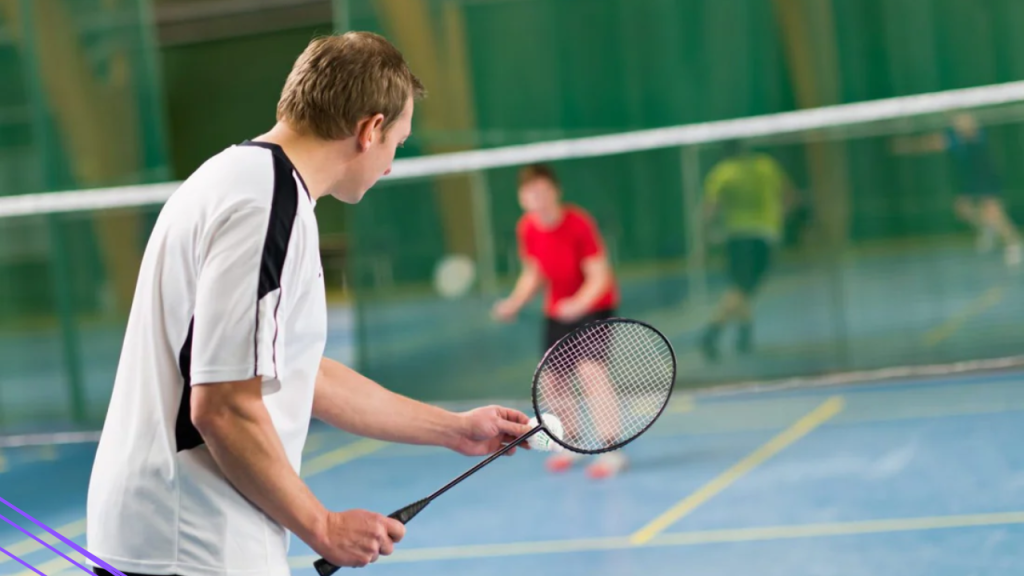
Badminton game play is one of the most exciting and skill-based racket sports enjoyed by millions of people across the world. It combines speed, agility, precision, endurance, and tactical thinking, making it suitable for players of all ages and skill levels. Whether played recreationally in a backyard or competitively on an international stage, badminton offers an excellent balance of physical fitness and mental sharpness. Understanding badminton game play helps beginners learn the fundamentals while enabling experienced players to refine their techniques and improve match performance. This guide explores the history, rules, equipment, scoring system, essential strokes, strategies, and common mistakes to provide a complete understanding of how badminton is played.
The History and Evolution of Badminton
The origins of badminton can be traced back to ancient games played in India, China, and Greece, but the modern version of the sport developed in England during the 19th century. The game was named after Badminton House, the residence of the Duke of Beaufort, where it gained popularity among British aristocrats. In 1934, the Badminton World Federation (BWF) was established to govern international competitions and standardize the rules. Since becoming an Olympic sport in 1992, badminton has grown into one of the world’s most popular sports, especially in China, Indonesia, Malaysia, Denmark, Japan, India, and South Korea. Today, professional badminton showcases incredible speed, athleticism, and tactical brilliance.
Understanding Badminton Game Play Basics
At its core, badminton game play involves hitting a shuttlecock over a net using a racket while preventing the opponent from returning it legally. A match may be played as singles or doubles, with each format requiring slightly different tactics and court coverage. Players aim to score points by landing the shuttle inside the opponent’s court or forcing an error. Unlike many ball sports, the shuttlecock slows down rapidly because of its feathered or synthetic design, creating unique rallies that demand quick reactions, accurate shot placement, and strategic decision-making. Mastering the basics forms the foundation for success at every level of badminton.
Badminton Court Dimensions and Layout
A standard badminton court is 13.4 meters long. For singles matches, the court width is 5.18 meters, while doubles matches use the full width of 6.1 meters. The net stands 1.55 meters high at the edges and 1.524 meters at the center. The court contains service lines, sidelines, baselines, center lines, and short service lines, each playing an important role during serves and rallies. Understanding court markings is essential because different boundaries apply to singles and doubles play. Proper court awareness allows players to position themselves efficiently, anticipate opponents’ shots, and reduce unnecessary movement during matches.
Essential Equipment for Playing Badminton
Successful badminton game play begins with the right equipment. A lightweight badminton racket, typically weighing between 70 and 100 grams, allows players to generate speed and control. The shuttlecock may be made from natural feathers for professional tournaments or synthetic materials for recreational use. Proper badminton shoes provide grip, cushioning, and lateral support, helping prevent injuries during rapid direction changes. Comfortable sportswear enables unrestricted movement, while accessories such as wristbands, grips, and protective supports improve comfort and performance. Choosing equipment that matches a player’s skill level and playing style significantly enhances confidence and consistency on the court.
Official Rules of Badminton Game Play
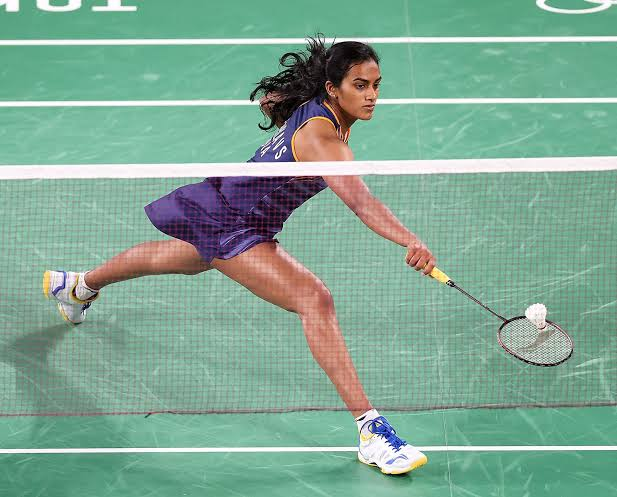
The Badminton World Federation (BWF) establishes the official rules followed in international competitions. A match is generally played in the best of three games, with each game won by the first player or pair to reach 21 points, provided there is at least a two-point lead. If the score reaches 20–20, play continues until one side leads by two points, up to a maximum score of 30 points. Players must strike the shuttle before it touches the ground and avoid touching the net with their racket or body during play. Understanding these official rules ensures fair competition and helps players avoid unnecessary faults.
The Scoring System Explained
Modern badminton uses the rally point scoring system, meaning every rally results in a point regardless of which player served. The server changes according to the score, with serves taken from the right service court when the score is even and the left service court when it is odd. Players switch ends after each completed game and during the deciding third game when one side reaches 11 points. This straightforward scoring system keeps matches fast-paced and exciting while rewarding consistency, concentration, and effective shot execution throughout every rally.
Basic Strokes Used in Badminton
Learning the fundamental strokes is essential for improving badminton game play. The clear sends the shuttle high and deep into the opponent’s court, creating time to recover. The drop shot lands just over the net, forcing opponents to move forward quickly. The powerful smash is an attacking shot aimed downward at high speed to win points. The drive travels flat and fast across the net, while the lift returns the shuttle high from defensive positions. Developing these basic strokes with proper technique allows players to build confidence and create effective combinations during competitive matches.
Footwork and Court Movement
Excellent footwork is one of the defining characteristics of successful badminton players. Efficient movement enables players to reach the shuttle early, maintain balance, and recover quickly after every shot. Common movement patterns include side steps, cross steps, lunges, and split steps, each designed for specific situations. Players should return to the center base position after each stroke to maximize court coverage. Regular footwork drills improve speed, agility, coordination, and endurance while reducing fatigue during long rallies. Strong movement skills often make the difference between average and exceptional performance.
Singles Strategy in Badminton
Singles badminton game play emphasizes endurance, patience, and intelligent shot placement. Since one player covers the entire court, creating movement is a key strategy. Deep clears push opponents toward the baseline, while drop shots exploit the front court. Players often mix attacking smashes with controlled clears to maintain unpredictability. Conserving energy through efficient movement and selecting the right moments to attack are equally important. Successful singles competitors focus on consistency, minimizing unforced errors, and maintaining mental discipline throughout long rallies and closely contested matches.
Doubles Strategy and Teamwork
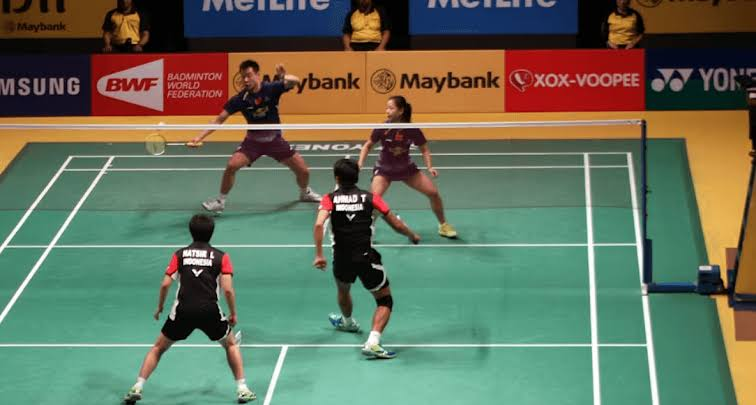
Doubles badminton demands excellent communication, quick reactions, and coordinated positioning. Partners usually adopt side-by-side defensive formations or front-and-back attacking formations depending on the rally situation. Fast drives, quick interceptions, and aggressive net play dominate modern doubles matches. Each player must understand their responsibilities while supporting their partner through constant movement and anticipation. Strong teamwork allows pairs to control rallies, pressure opponents, and capitalize on scoring opportunities more effectively than relying solely on individual skill.
Common Mistakes Beginners Should Avoid
Many beginners struggle with improper grip, poor footwork, and inconsistent shot selection. Attempting powerful smashes without proper timing often results in unnecessary errors. Standing too close to the net or failing to recover to the center after each shot leaves large areas of the court exposed. Ignoring warm-up routines can also increase the risk of injury. Developing sound fundamentals, practicing consistently, and learning from experienced coaches help new players build confidence while avoiding habits that become difficult to correct later.
Physical and Mental Benefits of Badminton
Playing badminton regularly provides numerous health benefits. It improves cardiovascular fitness, muscular endurance, flexibility, coordination, and balance while helping burn significant calories. The sport also enhances mental sharpness because players constantly analyze opponents’ movements and make rapid decisions. Friendly matches encourage social interaction, teamwork, and stress relief, making badminton both an enjoyable recreational activity and an effective fitness program. These benefits explain why badminton continues to attract participants of all ages around the world.
Conclusion
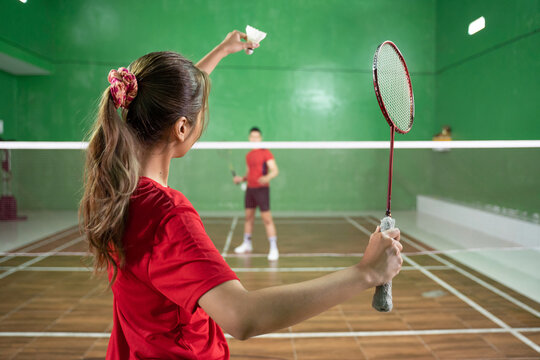
Badminton game play is much more than simply hitting a shuttlecock over a net. It is a dynamic sport that combines technical skill, physical fitness, tactical awareness, and mental resilience. From understanding court dimensions and official rules to mastering essential strokes and advanced strategies, every aspect contributes to becoming a better player. Whether you are a beginner learning the basics or an experienced athlete seeking to refine your game, consistent practice and a willingness to learn are the keys to long-term improvement. By following proper techniques and developing smart strategies, anyone can enjoy the excitement and lifelong benefits of badminton.
FAQs
1. What is badminton game play?
Badminton game play is the method of playing badminton according to official rules, using rackets to hit a shuttlecock across a net while attempting to score points.
2. How many points are needed to win a badminton game?
A standard game is won by reaching 21 points with at least a two-point lead.
3. What are the main strokes in badminton?
The primary strokes are the clear, drop shot, smash, drive, lift, and net shot.
4. Is badminton good for fitness?
Yes. It improves cardiovascular health, agility, coordination, endurance, flexibility, and overall physical fitness.
5. What equipment is required to play badminton?
Essential equipment includes a badminton racket, shuttlecock, badminton shoes, net, and appropriate sportswear.